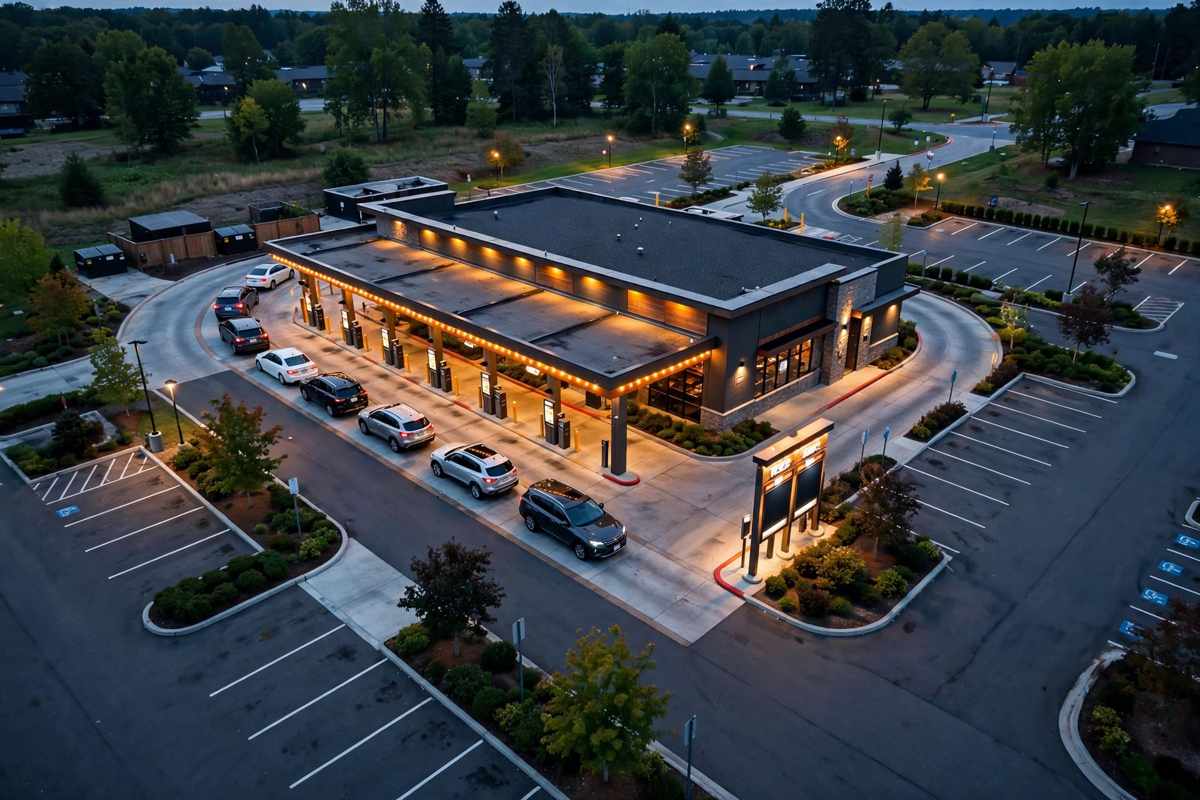
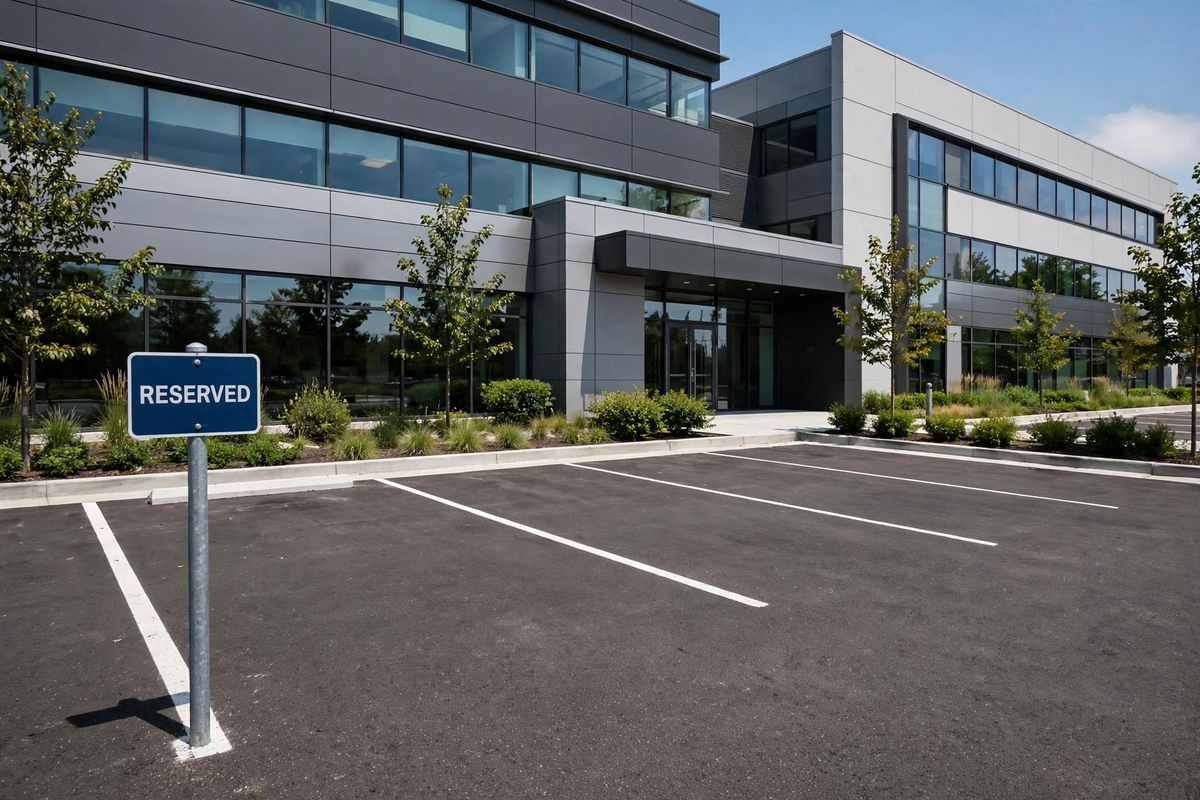
A pad site is a freestanding parcel, usually at the edge of a shopping center’s parking lot or along its street frontage, leased or sold for a single-tenant building such as a bank, restaurant, or drugstore. For developers, pad sites are prized assets: they command high rents, attract national credit tenants, and can be sold separately once stabilized. They also come with a unique set of legal and practical complications that differ sharply from ordinary in-line space.
Developers who treat a pad site like any other commercial parcel often run into trouble with access, visibility, and control. The pad sits inside someone else’s project, which means its lease must coordinate with the shopping center’s overall plan, the anchor tenants’ restrictions, and the shared infrastructure of parking, drainage, and utilities. Understanding these interdependencies before committing capital is what separates a profitable pad from a stranded one.
What Makes a Pad Site Different
The defining feature of a pad site is its position: high visibility from the road, direct customer access, and proximity to the traffic generated by the larger center, all within a footprint the pad tenant controls. That control is the selling point for banks and quick-service restaurants, which want their own building, their own signage, and often their own drive-thru. For the developer, the pad is a way to monetize the most valuable square footage of a project without giving up the core asset.
The trade-off is entanglement. The pad tenant depends on the center for access drives, shared parking, stormwater systems, and sometimes shared utilities. The center depends on the pad for a share of common area costs and for compliance with the operating standards that keep the project attractive. The lease, often combined with a reciprocal easement agreement, must allocate these responsibilities clearly, because disputes over who maintains a shared driveway or who pays for repaving can sour the relationship for decades.
Access, Visibility, and Parking
Access is the first thing a developer should diligence. A pad site needs safe, convenient ingress and egress, and highway departments can be slow to approve new curb cuts. If the pad relies on an access drive across the center’s land, the easement must be recorded, perpetual, and broad enough to cover the tenant’s intended use, including delivery trucks and drive-thru stacking. Temporary access that the center can revoke is not bankable.
Visibility and signage go hand in hand with access. Pad tenants pay a premium for a monument sign on the street, and the lease should guarantee the tenant’s sign rights, including size, illumination, and position, with protection against later construction that blocks sight lines. Parking ratios matter too: a restaurant pad can draw crowds that overflow into the center’s lot, so the agreement should set minimum parking counts, address shared use during peak hours, and tie into the center’s overall outparcel development rights so that future pads do not cannibalize the first one’s parking.
Coordinating With Anchors and REAs
Most shopping centers operate under a reciprocal easement agreement that binds all parcels to common rules on maintenance, insurance, signage, and use restrictions. Before acquiring or developing a pad, the developer must read the REA and every anchor lease, because anchors routinely hold veto rights over pad development. An anchor may restrict the pad’s use to prevent competition, cap the building’s height to preserve visibility, or require approval of the pad’s exterior design.
These restrictions can be deal-breakers. A developer planning a quick-service restaurant pad may discover that the grocery anchor’s lease prohibits food uses within a certain distance, or that the REA bans drive-thrus entirely. The time to find this out is during due diligence, not after the pad lease is signed. Developers should also confirm that the pad’s permitted use is consistent with the center’s overall permitted use provisions, since a conflict can leave the pad tenant in default on two documents at once.
Delivery Condition and Construction Obligations
Pad sites are often delivered as graded dirt, with the tenant responsible for building the structure from the ground up. The lease or ground lease should define the delivery condition precisely: grading, compaction, utility stubs to the property line, and any off-site improvements the developer must complete. Vague delivery language leads to fights over who pays for soil remediation, retaining walls, or utility extensions that turn out to be more expensive than expected.
Construction timelines also need care. National tenants often want the right to build on their own schedule, while developers want the pad improved quickly to generate rent and enhance the center. Milestone deadlines for plan submission, permitting, and construction commencement, backed by the landlord’s right to terminate if the tenant stalls, keep the project moving. Developers should also coordinate pad construction with the center’s own build-out, since heavy equipment and closed access drives can disrupt existing tenants. Clear delivery condition terms and a realistic construction schedule prevent most of these disputes.
Rent Structures and Long-Term Value
Pad leases typically run 15 to 20 years with multiple renewal options, reflecting the tenant’s investment in a custom building. Base rent is usually fixed with periodic escalations, and percentage rent is less common than in-line space because the pad tenant controls its own building and contributes less to the center’s common areas. Developers should still negotiate fair escalation mechanics, since a flat rent over two decades erodes real value.
The long term also raises the question of what happens to the building at lease end. If the tenant built the improvements, the lease must say whether they revert to the landlord, must be removed, or can be purchased at fair market value. Developers who plan to sell the pad separately should confirm that the lease allows a sale of the parcel, that the REA permits subdivision, and that the tenant’s consent, if required, cannot be unreasonably withheld. A pad that cannot be cleanly separated from the center is worth less to a buyer.
Drive-Thru and Special Use Considerations
Many pad tenants want a drive-thru, and the pad lease must address it with the same specificity as any drive-thru deal: lane location, stacking capacity, noise limits, and hours of operation. Municipal restrictions are a frequent surprise, since cities increasingly limit drive-thrus near residential areas or require conditional use permits. Developers should verify entitlements before marketing the pad to drive-thru users, because a pad marketed for a use the city will not allow is a pad that sits vacant.
Special uses like fuel sales, car washes, or medical clinics bring their own issues, from environmental liability to extended hours. Each should be vetted against the REA, anchor restrictions, and local zoning during due diligence. Developers who build this review into their acquisition checklist, and who document the pad’s approved uses in a detailed drive-thru and special use exhibit, avoid the painful discovery that their flagship pad cannot legally host the tenant they signed.
Developers should also think about pad sites as part of a portfolio strategy rather than one-off deals. A center with two or three well-leased pads to credit tenants is worth more than the sum of its parts, because buyers and lenders see diversified income and proven demand for the location. That means being selective about pad tenants, protecting each pad’s access and visibility from later phases of development, and keeping the REA and easement documents clean enough that a future sale of the pads, together or separately, can close without renegotiation. The developers who treat pad documentation as an investment rather than an expense are the ones who capture the full value when it is time to sell.