For quick-service restaurants, coffee chains, and pharmacies, the drive-thru is often the engine of the entire business. National operators report that drive-thru orders can account for more than half of total sales at many locations, which means the right to build and operate a drive-thru lane is far more than a lease convenience. It is a core economic term that can determine whether a site is profitable or a costly mistake.
Yet drive-thru rights are among the most heavily restricted uses in commercial leasing. Shopping center owners, anchor tenants, municipalities, and neighboring tenants all have reasons to limit where drive-thrus go and how they operate. A tenant who assumes drive-thru access is automatic can find itself locked into a lease for a space where the lane is physically impossible or legally prohibited.
Why Drive-Thru Rights Deserve Their Own Lease Clause
A drive-thru is not simply a door on the side of a building. It requires a stacking lane for queued vehicles, a pickup window, menu boards or order kiosks, and in many cases speaker poles, canopies, and dedicated signage. Each of these elements touches different parts of a lease: the premises definition, common area rights, parking ratios, signage rights, and permitted use.
When drive-thru rights are buried in a generic permitted-use sentence, the tenant has little protection. A landlord may later argue that the permitted use covers only indoor dining and that the outdoor lane is an unapproved encroachment on the common areas. The tenant then faces the choice of paying for a redesign, abandoning the concept, or litigating. A dedicated drive-thru provision avoids this by describing the right explicitly: the location of the lane, the number of stacking spaces, the structures allowed, and the hours of operation.
Site Plan Approval and Municipal Restrictions
Even the most tenant-friendly lease cannot override local government. Many cities limit drive-thrus near residential neighborhoods, schools, or historic districts. Some require a conditional use permit or special exception, and a growing number of municipalities have enacted outright bans on new drive-thrus for reasons of traffic, noise, and air quality. These rules vary not only by city but by zoning district within a city.
Before signing, confirm that the specific parcel allows a drive-thru as of right or that the required permits are obtainable on a realistic timeline. Review the site plan approval process with local counsel or a civil engineer, and get the landlord’s cooperation in writing, since the landlord as property owner is often the party that must apply or consent to the application. If approval is uncertain, tie the lease to a permitted use clause that can only be exercised once the permits are in hand.
Stacking, Circulation, and Common Area Conflicts
The most common operational fight over drive-thrus is stacking. A lane that backs up into the parking lot or onto a public road creates safety problems and angers neighboring tenants whose customers cannot reach their doors. Leases should specify the minimum number of stacking spaces, the route of the lane, and the tenant’s obligation to manage queues during peak hours, including staffing a second order point or closing the lane temporarily if traffic backs up.
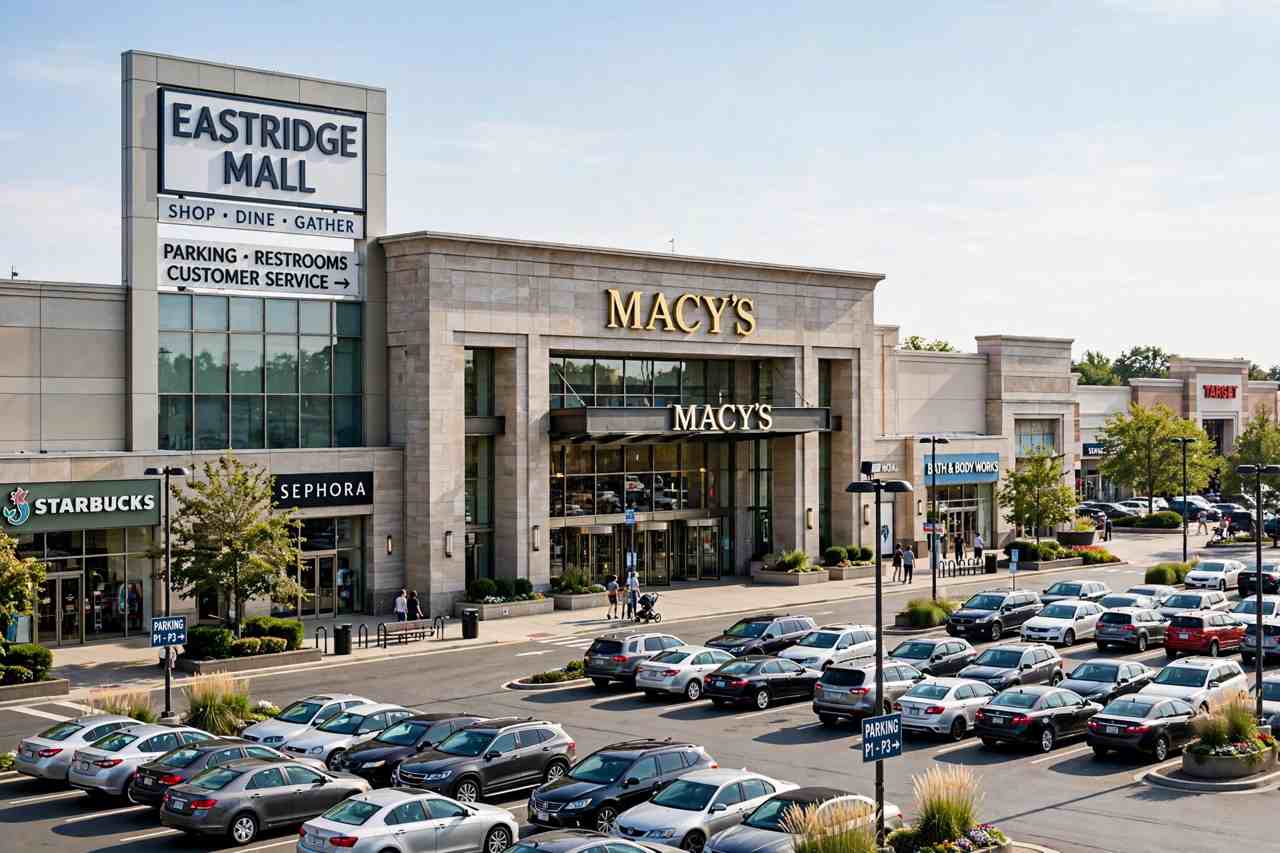
Landlords also worry about exclusive control of common areas. A drive-thru lane effectively dedicates a strip of shared parking or drive aisle to one tenant, which is why many landlords demand additional rent or common area maintenance contributions for the lane area. Some carve the lane out of the premises entirely and license it back. Tenants should compare that cost against the revenue the lane generates and make sure the lane remains usable if the landlord later reconfigures the center, since outparcel development rights can allow new construction that narrows circulation.
Signage, Noise, and Hours of Operation
Menu boards, order confirmation screens, and speaker poles are signage under most leases and municipal codes. Confirm that the center’s signage criteria and the city’s sign ordinance both allow the height, illumination, and electronic displays the concept requires. Digital menu boards that change with the time of day are increasingly common, and some jurisdictions treat them as electronic message centers subject to brightness limits and dwell-time rules.
Noise is the other flashpoint. Speaker boxes, idling engines, and late-night operations draw complaints from nearby residents and tenants. Many leases pair drive-thru rights with explicit hours of operation, noise caps, and a landlord right to require acoustic mitigation. Tenants should push for hours that match their business model while accepting reasonable limits, since a drive-thru that the city shuts down at 10 p.m. is worth less than one assumed to run all night. The center’s general hours of operation rules may already restrict the window, so reconcile the two provisions rather than leaving a contradiction.
Approval Rights and Build-Out Responsibilities
Drive-thru construction almost always requires the landlord’s approval of plans, and the lease should set a clear standard, such as approval not to be unreasonably withheld, with a defined review period. Without a deadline, a landlord can stall a project indefinitely while the tenant pays rent on a dark space. Tie plan approval to the delivery conditions in the work letter so that delays on the landlord’s side extend rent commencement rather than punishing the tenant.
Responsibility for the lane itself should also be spelled out. The tenant typically builds the lane, curbing, drainage, and equipment at its own cost, but the lease should say who maintains and repairs the pavement, who clears snow, who handles drainage failures, and who pays for re-striping. If the drive-thru crosses a utility easement or a shared fire lane, get written confirmation from the easement holder and the fire marshal before construction begins. These details belong in an exhibit with a scaled site plan, so there is no argument later about where the tenant’s exclusive area ends and the common area begins.
Negotiating Protections for Both Sides
For tenants, the non-negotiable items are a clear grant of the right, a defined lane footprint, reasonable approval standards with time limits, and protection against later reconfiguration of the center that would choke off access. Tenants should also negotiate a termination right if drive-thru permits are denied, rather than remaining bound to a lease for a concept that cannot be built. A signage rights provision that expressly covers menu boards and order kiosks completes the package.
For landlords, the priorities are control over the site plan, compensation for the exclusive use of common area, performance standards for queue management, and the right to relocate or modify the lane if the center is redeveloped. Landlords should also require the tenant to maintain the lane and indemnify the center for accidents in the stacking area. Both sides benefit when the lease treats the drive-thru as what it is: a valuable, complex use that deserves its own detailed section rather than a passing mention.
One final point deserves emphasis: drive-thru rights should survive as an appurtenance of the premises, not as a revocable privilege. Tenants should resist language that lets the landlord eliminate the lane at will, and should instead accept only narrowly defined relocation rights with the landlord bearing the cost of rebuilding the lane to equivalent standards. Landlords, meanwhile, should make sure the tenant’s drive-thru obligations, including maintenance, insurance, and queue management, are framed as continuing covenants that survive any partial reconfiguration of the center. When both the right and the responsibilities are durable, the drive-thru becomes a stable long-term asset for the tenant and a reliable rent driver for the landlord.