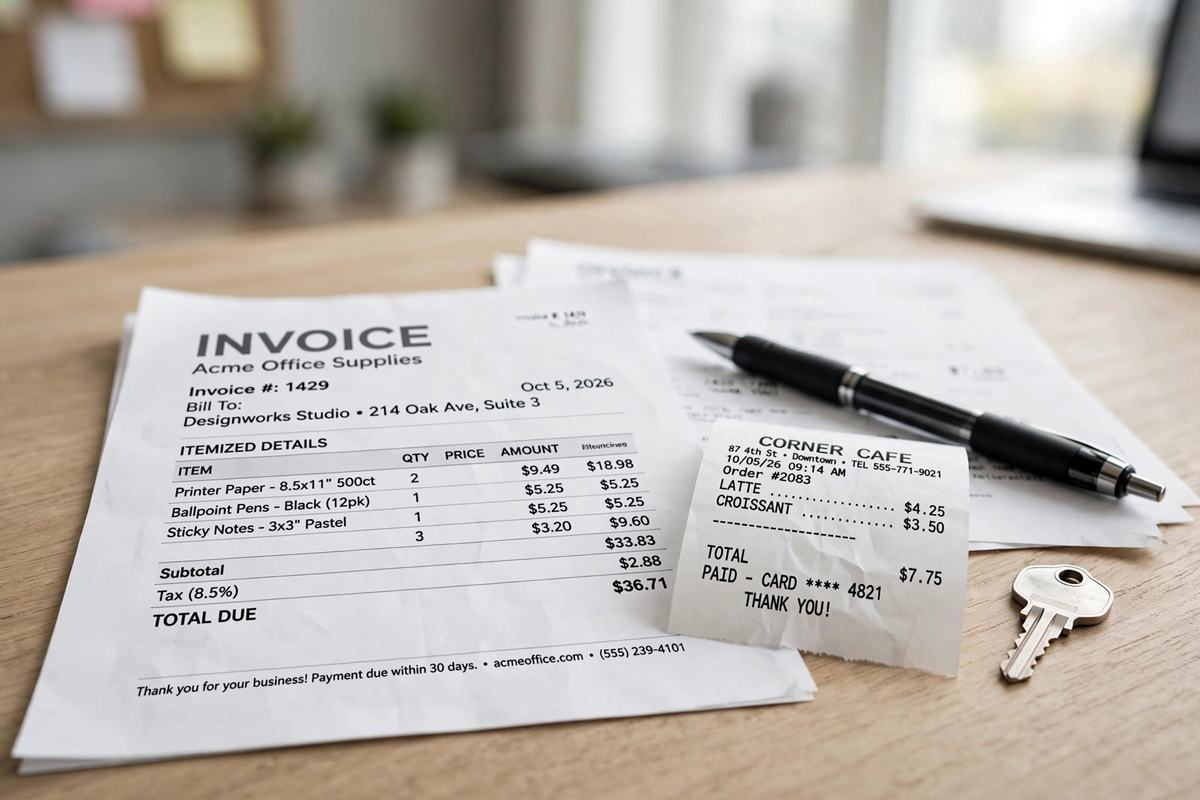
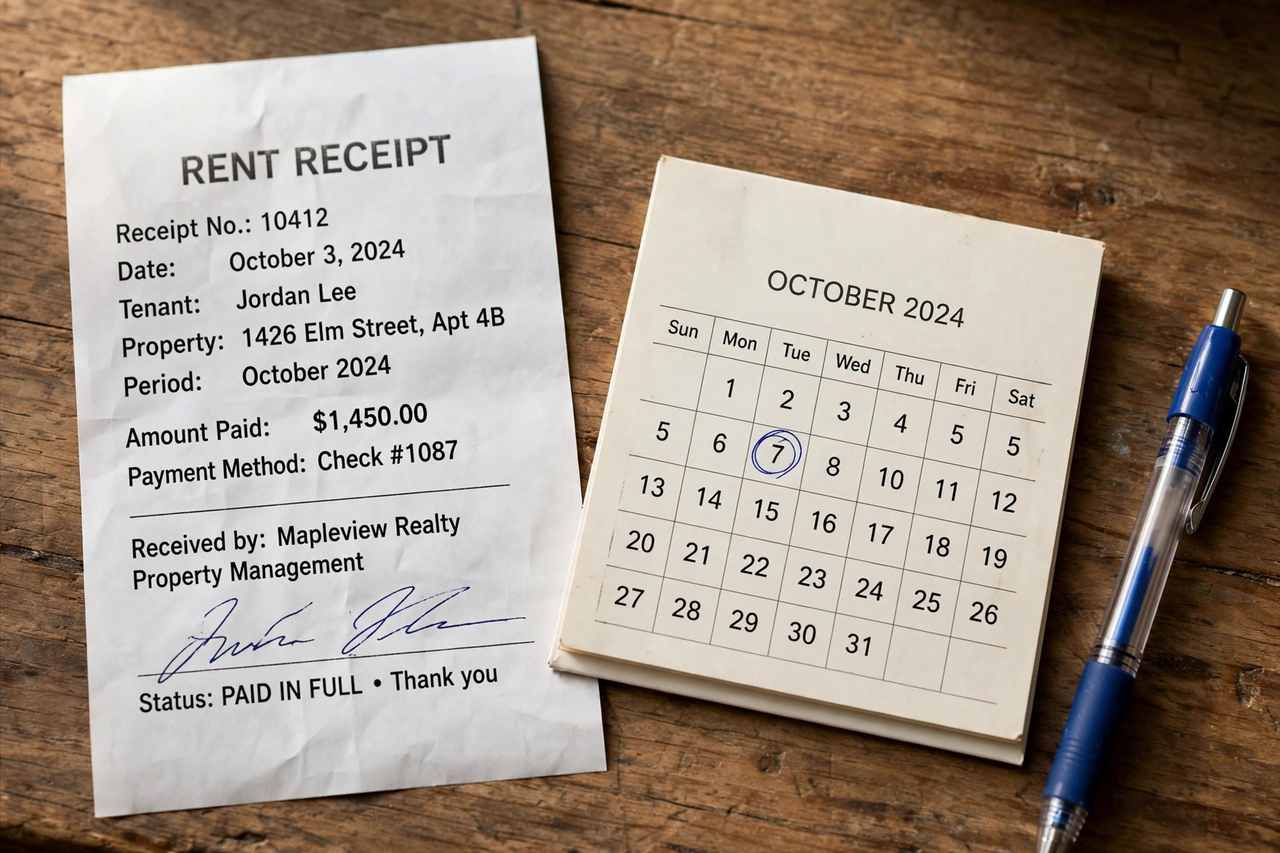
Need to pay a legal judgment? Paying through the lawyer who represented the winning party is common. A “Sample Letter To Pay A Judgement To A Lawyer” is a formal way to do this. It creates a clear record of your payment.
Writing to a lawyer can feel daunting. But, it doesn’t have to be. This letter confirms you’re settling your debt. It also helps avoid future legal issues.
We’ve got you covered! This article offers sample letters. Use these templates to craft your own payment letter. Make the process easy and stress-free.
Sample Letter To Pay A Judgement To A Lawyer
**Sample Letter To Pay A Judgement To A Lawyer**
[Your Name/Company Name]
[Your Address]
[City, State, ZIP Code]
[Email Address]
[Phone Number]
[Date]
[Lawyer’s Name]
[Law Firm Name]
[Law Firm Address]
[City, State, ZIP Code]
**Subject: Payment of Judgement – [Case Name] – [Case Number]**
Dear [Lawyer’s Name],
This letter confirms that I/we are submitting payment to satisfy the judgement awarded in the case of [Case Name], case number [Case Number].
Enclosed is a [Type of Payment – e.g., cashier’s check, money order, wire transfer confirmation] for the full amount of [Dollar Amount] as ordered by the court on [Date of Judgement]. The payment is made payable to [Payee – e.g., Law Firm Name Trust Account].
[If applicable, include specific details about the payment, such as the bank name and transaction reference number for a wire transfer.]
Please provide written confirmation upon receipt of this payment and confirmation that the judgement has been officially satisfied with the court.
Sincerely,
[Your Name/Company Name]
html
How to Write Letter To Pay A Judgement To A Lawyer
Subject Line: Conciseness is Key
The subject line should be direct and unambiguous. It’s not the place for flowery prose. A clear subject line ensures your letter is promptly recognized and dealt with. Here are a few options:
- Subject: Payment of Judgment – [Case Name] – [Case Number]
- Subject: Judgment Payment – [Your Name] vs. [Opposing Party]
- Subject: Remittance for Judgment Satisfaction – [Judgment Date]
Salutation: Maintaining Professional Decorum
Begin with a formal salutation. This sets the precedence for a businesslike interaction. Avoid casual greetings. Address the lawyer by their title and last name.
- Dear Mr./Ms. [Lawyer’s Last Name],
- To the Law Offices of [Law Firm Name]:
Body Paragraph 1: Acknowledgment and Intent
Clearly state your intent to satisfy the judgment. Acknowledge the judgment and your willingness to remit the due amount. Be forthright and avoid any equivocation.
- State that you are writing to remit payment for the judgment entered against you.
- Reference the case name and number.
- Clearly express your intention to fully satisfy the judgment.
Body Paragraph 2: Payment Details
Provide explicit details about the payment. This eliminates any potential ambiguity or misinterpretations. Indicate the exact amount you are paying and the method of payment.
- State the exact amount of the payment.
- Specify the method of payment (e.g., certified check, money order, wire transfer).
- If paying in installments (if agreed upon), detail the payment schedule.
- Include any reference numbers associated with the payment (e.g., check number, transaction ID).
Body Paragraph 3: Request for Acknowledgment and Release
Request a formal acknowledgment of receipt and a release of judgment upon clearance of funds. This is crucial for your records and to ensure the judgment is officially marked as satisfied. Don’t leave it to chance.
- Request a written acknowledgment of receipt of the payment.
- Ask for a release of judgment to be filed with the court upon clearance.
- Inquire about the procedure for obtaining proof of satisfaction.
Closing: Professional Courtesy
End the letter with a professional closing. A courteous closing leaves a good final impression. It’s a small gesture that can significantly influence the overall perception of your communication.
- Use a formal closing such as “Sincerely,” or “Respectfully,”
- Leave space for your signature.
- Type your full name below the signature line.
Enclosures: Meticulous Documentation
List all enclosures to avoid any claims of missing documentation. Accuracy and attention to detail are paramount. Ensure all relevant documents are included and clearly listed.
- List all enclosures, such as the payment instrument (check, money order).
- Include copies of any relevant agreements or correspondence.
- Specify the number of enclosures.
html
Frequently Asked Questions: Sample Letter to Pay a Judgement to a Lawyer
This section provides answers to common questions about writing a sample letter to pay a judgement to a lawyer. Understanding this process is crucial for ensuring proper compliance and record-keeping.
1. What information should be included in the letter?
The letter should include the case name and number, the judgement amount, the lawyer’s full name and address, payment details (method and amount), and any specific instructions related to the payment.
2. How should the payment method be specified?
Clearly state the payment method (e.g., certified check, wire transfer) and include all necessary details like account numbers, routing numbers, or payee information if applicable.
3. Is it necessary to send the payment directly to the lawyer?
Yes, unless otherwise instructed by the court or the lawyer, the payment should be sent directly to the lawyer representing the judgement creditor.
4. What should be done after sending the payment?
Keep a copy of the letter and proof of payment (e.g., receipt, tracking number) for your records. Follow up with the lawyer to confirm receipt and proper crediting of the payment.
5. Can a payment plan be included in the letter?
A payment plan can be proposed, but it must be agreed upon by the lawyer representing the judgement creditor. The letter should clearly outline the proposed payment schedule and terms.