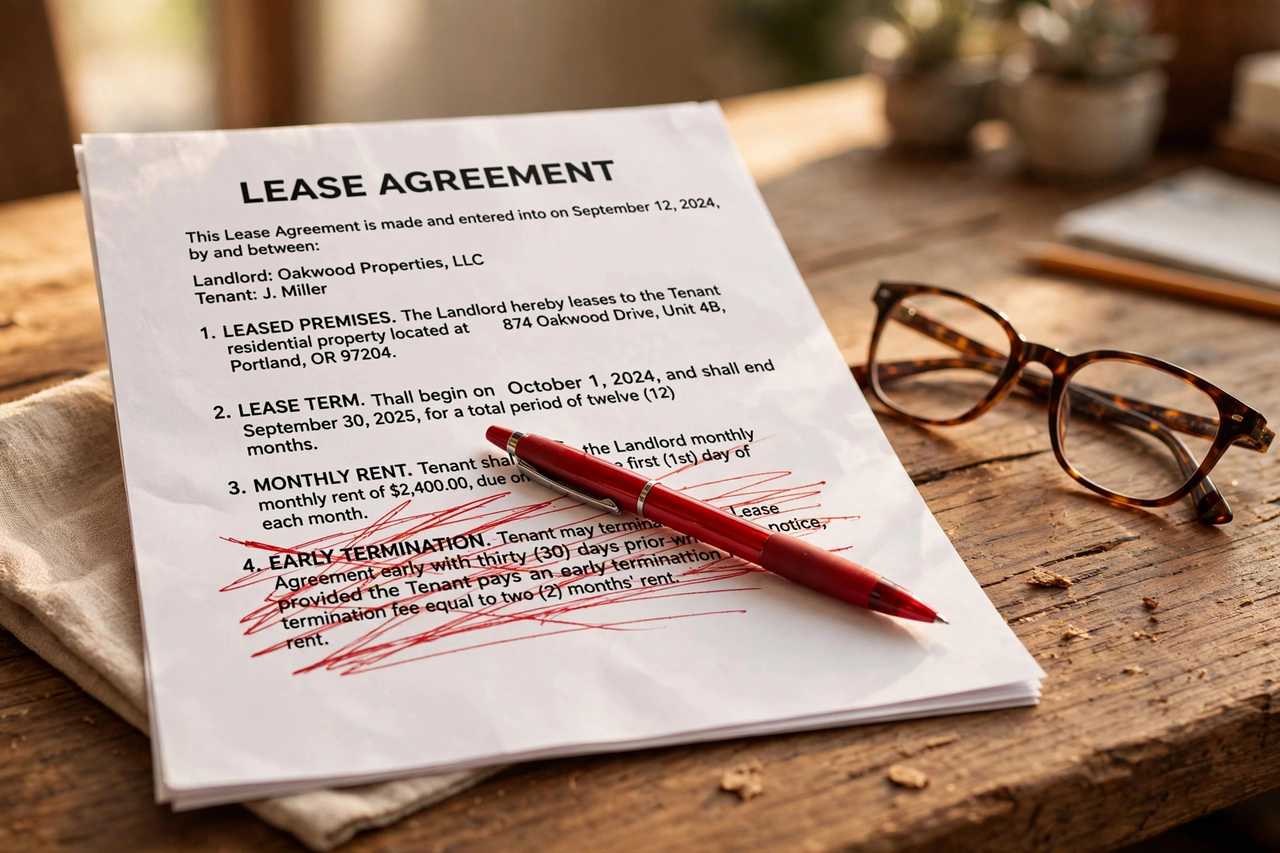
A “Sample Letter To Owner For First Right Of Refusal” is a formal notice. It informs an owner of your intent to exercise your right to buy their property. This right exists when you have a legal agreement. It’s common in lease agreements or contracts. You might need this letter when the owner decides to sell. You use it to formally state you’re using your right to buy before anyone else can.
Writing such a letter can feel daunting. Getting the wording right is key. You want to protect your interests. You also want to maintain a professional tone.
That’s why we’re here to help. We’ll share templates and examples. These samples will make writing your letter easier. You can adapt them to fit your specific situation. Let’s make this process simple.
Sample Letter To Owner For First Right Of Refusal
## Sample Letter To Owner For First Right Of Refusal
**[Date]**
**[Owner’s Name]**
**[Owner’s Address]**
**Subject: First Right of Refusal – [Property Address]**
Dear [Owner’s Name],
This letter concerns the property located at [Property Address], as per our agreement dated [Date of Agreement].
We understand you have received an offer to purchase the property for [Offer Amount] with the following key terms:
* **Buyer:** [Buyer’s Name]
* **Closing Date:** [Closing Date]
* **Other Relevant Terms:** [Briefly list any other significant terms, e.g., contingencies]
As we hold the first right of refusal, we are formally notifying you of our decision.
**[Choose ONE of the following options]:**
**Option 1: Exercising Right of Refusal**
We hereby exercise our right to purchase the property at [Property Address] under the same terms and conditions as outlined in the offer from [Buyer’s Name]. We are prepared to proceed with the purchase and will work diligently to meet the proposed closing date of [Closing Date]. Please provide us with the necessary paperwork to initiate the transaction.
**Option 2: Waiving Right of Refusal**
We have decided to waive our right of first refusal for the property at [Property Address] at this time. You are free to proceed with the sale to [Buyer’s Name] under the terms of their offer.
Please confirm receipt of this letter and your understanding of our decision. We look forward to your prompt response.
Sincerely,
**[Your Name]**
**[Your Address]**
**[Your Phone Number]**
**[Your Email Address]**
html
How to Write Letter To Owner For First Right of Refusal
Subject Line: Crystal Clarity is Key
- Be explicit. Don’t bury the lede. A subject line like “Exercise of First Right of Refusal – [Property Address]” is both direct and unambiguous.
- Avoid vague pronouncements. “Important Notice” tells the recipient nothing.
Salutation: A Respectful Overture
- Address the recipient formally unless you have a pre-existing, informal relationship. “Dear [Owner’s Name]” is a safe, professional bet.
- Verify the owner’s name precisely. A minor discrepancy can be irksome and diminish your credibility.
Body: Laying Out Your Intent
- Begin by unequivocally stating your intent to exercise your right of first refusal. For instance: “This letter serves as formal notification of my intent to exercise my right of first refusal pertaining to the proposed sale of the property located at [Property Address].”
- Reference the specific clause or agreement that grants you this right. Cite the date of the agreement, parties involved, and the relevant section pertaining to the first right of refusal.
- Reiterate the terms of the proposed sale, as you understand them. This demonstrates you’ve appraised the offer and are making an informed decision. Include the proposed purchase price, closing date, and any other salient conditions.
Contingencies and Qualifications
- If your exercise of the right is contingent upon securing financing or other approvals, state this explicitly. Clarity averts future disputes.
- Specify a reasonable timeframe within which you will finalize financing or satisfy other contingencies.
- Indicate your willingness to adhere to the terms of the original offer, save for any modifications necessitated by law or mutual agreement.
Due Diligence and Clarifications
- Reserve your right to conduct due diligence, such as property inspections and title searches, within a reasonable timeframe.
- Request copies of all relevant documents pertaining to the proposed sale, including the purchase agreement and any addenda.
- Propose a meeting or teleconference to clarify any ambiguities or address any concerns. Proactive communication fosters goodwill.
Closing: Courteous but Firm
- Reiterate your commitment to a smooth and expeditious transaction.
- Provide your contact information, including phone number and email address, for ease of communication.
- Express your appreciation for their time and consideration.
- End with a formal closing such as “Sincerely” or “Respectfully,” followed by your full name and signature.
Deadlines and Expectations: Setting the Stage
- Clearly state the deadline by which you require a response. This creates a sense of urgency and prevents undue delay.
- Reiterate that failure to respond within the stipulated timeframe will be construed as a waiver of your right of first refusal.
- Maintain a professional and assertive tone, underscoring the seriousness of the matter.
html
Frequently Asked Questions: Right of First Refusal Notice
This section addresses common inquiries regarding the notification process for a Right of First Refusal (ROFR). It aims to provide clear and concise answers to assist property owners and interested parties in understanding the necessary procedures.
What is a Right of First Refusal (ROFR)?
A Right of First Refusal (ROFR) is a contractual right that gives its holder the option to enter a business transaction with the owner of something, according to specified terms, before the owner is entitled to offer that transaction to another party.
When should a ROFR notice be sent to the holder?
A ROFR notice should be sent to the holder immediately after the owner has received a legitimate and acceptable offer from a third party that the owner intends to accept.
What information should be included in a ROFR notice?
The ROFR notice should include all material terms of the third-party offer, such as the purchase price, closing date, contingencies, and any other significant conditions of the sale.
How long does the ROFR holder have to respond to the notice?
The response time is typically specified in the ROFR agreement itself. If no timeframe is specified, a reasonable time, usually 30 days, may be considered standard, but legal counsel should be consulted.
What happens if the ROFR holder declines or does not respond to the notice?
If the ROFR holder declines to exercise their right or fails to respond within the specified timeframe, the owner is then free to proceed with the sale to the original third-party offeror, according to the terms outlined in the ROFR notice.