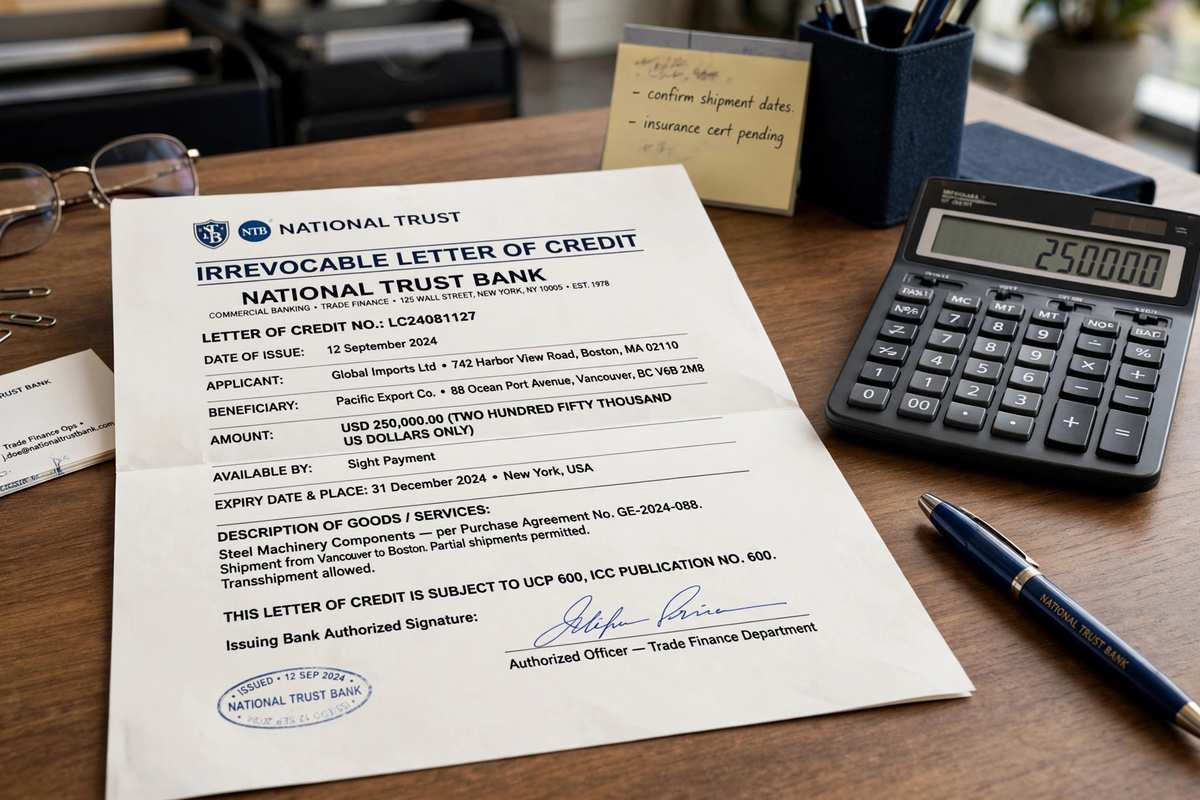
An “Errors and Omissions” (E&O) letter is a formal communication. It is written to an insurance broker. The letter addresses potential mistakes or oversights. These errors could have caused financial harm. You might need this letter if you believe your broker made a mistake.
This article provides sample letters. We’ve created templates for various scenarios. These samples will help you communicate effectively. You can easily adapt them to your specific situation.
We aim to simplify the process. Writing this type of letter can be daunting. Our samples offer a clear starting point. They ensure you convey your concerns professionally.
Sample Letter To Insurance Broker Re Errors And Omissions
[Your Name/Company Name]
[Your Address]
[City, State, Zip Code]
[Email Address]
[Phone Number]
[Date]
[Insurance Broker’s Name]
[Insurance Brokerage Name]
[Brokerage Address]
[City, State, Zip Code]
**Subject: Errors and Omissions Regarding Policy [Policy Number]**
Dear [Insurance Broker’s Name],
This letter concerns errors and omissions related to insurance policy number [Policy Number], which was secured through your brokerage on [Date of Policy Purchase].
Specifically, [Clearly and concisely describe the error or omission. Be specific. For example: “the policy incorrectly lists the square footage of our building as 5,000 sq ft instead of the actual 7,500 sq ft” or “the policy omits coverage for flood damage, despite our specific request for this coverage”].
This error/omission has resulted in [Explain the consequences of the error/omission. For example: “a potential gap in coverage in the event of a claim” or “increased premiums due to inaccurate information”].
We request that you investigate this matter promptly and take corrective action to rectify the policy to accurately reflect [State what the policy should accurately reflect]. We also request written confirmation that the necessary corrections have been made.
We look forward to your prompt attention to this important matter. Please contact us at [Your Phone Number] or [Your Email Address] to discuss this further.
Sincerely,
[Your Name/Company Name]
html
How to Write Letter To Insurance Broker Re Errors And Omissions
Subject Line: Concise and Compelling
- Start strong. The subject line is your first impression.
- Be direct: “Notice of Errors and Omissions – [Your Policy Number] – [Your Name]”.
- Avoid ambiguity; clarity is paramount.
- A subject line such as “Discrepancy in Policy Details” also works well.
Salutation: Professional Courteousness
- Open with a formal greeting.
- Address the broker by name: “Dear Mr./Ms. [Broker’s Last Name],”.
- If you don’t have a name, “To Whom It May Concern:” will suffice, but is less personable.
- Maintain a respectful tone, even if you’re perturbed.
Body Paragraph 1: Laying the Groundwork
- Immediately state the purpose of your letter.
- Example: “I am writing to bring to your attention a manifest error in my insurance policy, number [Your Policy Number], pertaining to [Briefly describe the issue].”
- Include the date of the policy issuance or renewal.
- Be succinct and avoid superfluous language.
Body Paragraphs 2 & 3: Detailing the Discrepancies
- Provide a meticulous account of the errors or omissions.
- Use concrete examples: “The policy incorrectly states my business address as [Incorrect Address], whereas it should be [Correct Address].”
- Reference specific clauses or sections of the policy.
- Explain the potential ramifications of these inaccuracies.
- If you have supporting documentation (emails, quotes, etc.), mention their inclusion: “Please find attached copies of [Relevant Documents] for your perusal.”
Proposed Resolution: Seeking Rectification
- Clearly articulate what you expect the broker to do.
- Example: “I request an immediate amendment to my policy to reflect the correct information as detailed above.”
- Set a reasonable timeframe for a response: “I would appreciate a written acknowledgement of this letter and a plan of action within [Number] business days.”
- Indicate your willingness to collaborate: “I am available to discuss this matter further at your convenience.”
Closing: Professional Demeanor
- Use a formal closing: “Sincerely,” or “Respectfully,”.
- Follow with your full name.
- Include your contact information: phone number and email address.
- Avoid overly familiar sign-offs.
Postscript: A Final Note
- A postscript (P.S.) can be used strategically, but sparingly.
- P.S. could highlight an upcoming deadline or amplify the urgency of the matter.
- Example: “P.S. My business license renewal is contingent upon the accuracy of this insurance policy; your prompt attention to this matter is greatly appreciated.”
- Use with discretion; overusing P.S. can diminish its impact.
html
Frequently Asked Questions: Sample Letter To Insurance Broker Re Errors And Omissions
This section addresses common queries regarding letters to insurance brokers concerning errors and omissions. Understanding this process can help ensure effective communication and resolution.
What should be included in a letter to my insurance broker regarding errors and omissions?
The letter should clearly state the policy number, the nature of the error or omission, the date it was discovered, and the potential impact or loss incurred as a result. Supporting documentation should also be included.
Why is it important to send this letter via certified mail?
Sending the letter via certified mail provides proof of delivery and receipt, which can be crucial in establishing a timeline and demonstrating that the broker was formally notified of the issue.
What is a reasonable timeframe to expect a response from the insurance broker?
A reasonable timeframe to expect an initial response is typically within 7-14 business days. Follow up if you do not receive acknowledgement within this period.
What if the error or omission led to a financial loss?
Clearly outline the financial loss incurred and how it directly resulted from the broker’s error or omission. Provide supporting documentation such as invoices, estimates, or financial statements.
What recourse do I have if the insurance broker does not adequately address the issue?
If the broker’s response is unsatisfactory, consider contacting their agency’s management, filing a complaint with the state’s insurance regulatory body, or consulting with an attorney to explore potential legal options.