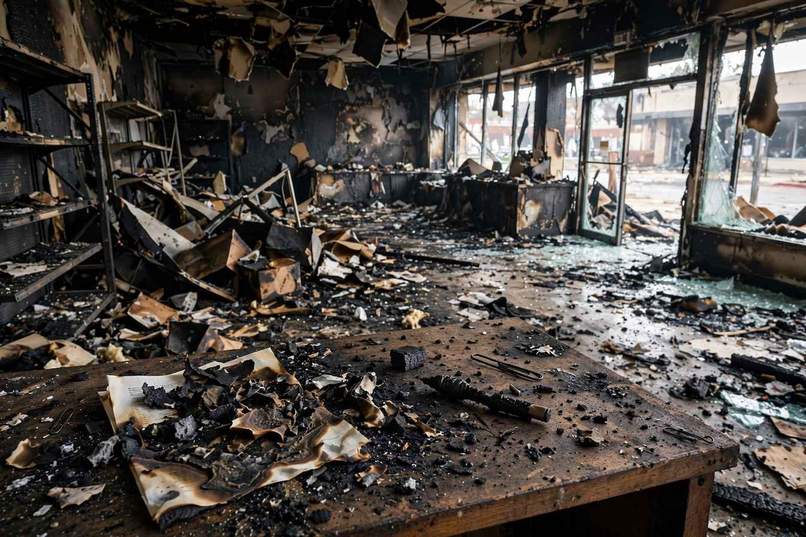
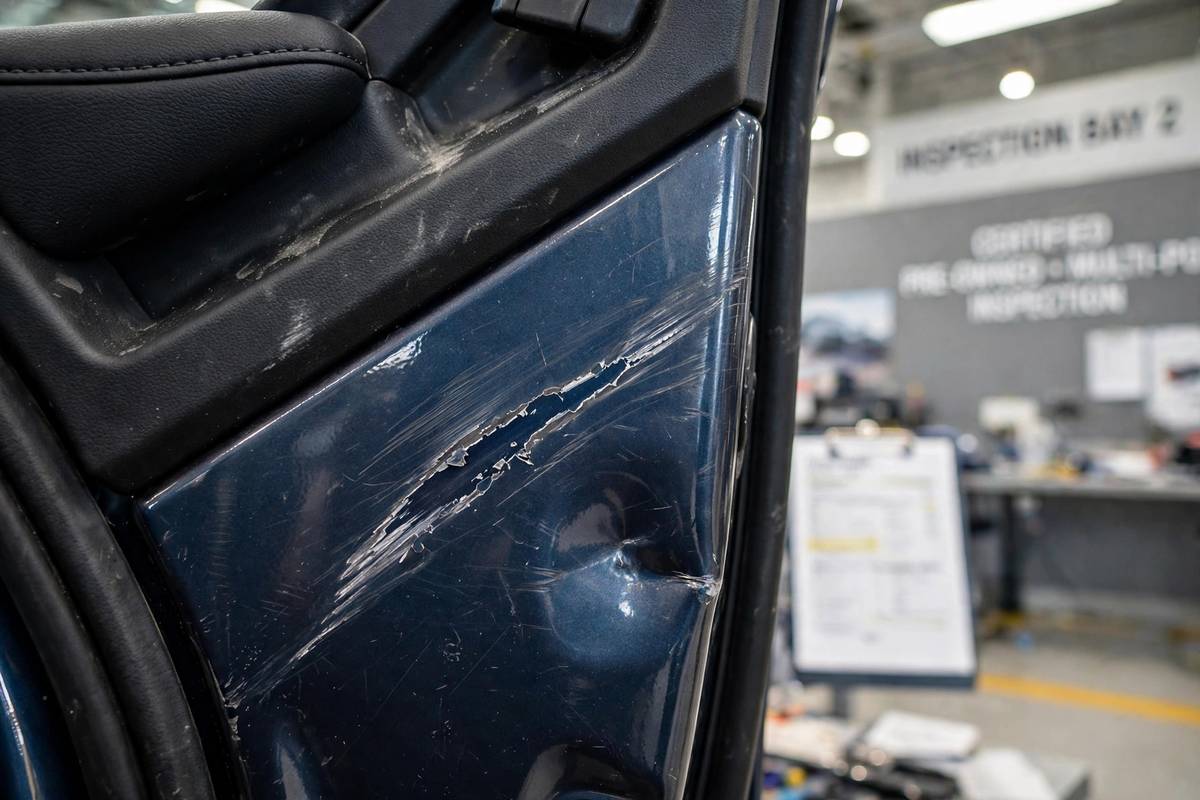
A “Sample Letter to Inform About Damage to Rental Property” is a written notice. It informs someone about damage to a rental property. Landlords and tenants use it. Tenants use it to tell landlords about damage. Landlords use it to inform tenants about repairs.
Dealing with property damage can be tricky. Writing the right letter is important. We’ll share helpful letter templates. These examples will guide you. They will make the writing process easier.
Need to report a leaky faucet? Or perhaps a broken window? We have you covered. Our samples will help you communicate clearly. They ensure everyone understands the situation. Get ready to simplify your communication.
Sample Letter To Inform About Damage Rental Property
[Your Name]
[Your Address]
[Your Phone Number]
[Your Email Address]
[Date]
[Landlord’s Name]
[Landlord’s Address]
**Subject: Regarding Damage to Rental Property at [Property Address]**
Dear [Landlord’s Name],
This letter is to inform you about damage that has occurred at the rental property located at [Property Address].
On [Date of Damage], I noticed [Describe the damage clearly and specifically. Be factual. For example: “a water leak under the kitchen sink” or “a crack in the living room window”].
[Explain how the damage occurred, if you know. Be honest. For example: “I believe the leak started after the recent heavy rain” or “The window was accidentally hit by a ball while I was mowing the lawn.” If you don’t know how it happened, simply state that.]
I have [Explain any actions you have taken to minimize the damage. For example: “I have placed a bucket under the leak to catch the water” or “I have covered the cracked window with plastic sheeting”].
I understand that repairs are necessary, and I request that you arrange for them to be completed as soon as possible. Please let me know when I can expect someone to come and assess the damage.
I am available to discuss this matter further at your convenience. You can reach me at [Your Phone Number] or [Your Email Address].
Thank you for your prompt attention to this issue.
Sincerely,
[Your Name]
html
How to Write Letter To Inform About Damage Rental Property
Subject Line: Clarity is Key
- Be succinct. A clear subject line ensures your letter isn’t relegated to the digital hinterlands.
- Examples: “Damage Notification – [Your Name] – [Property Address]” or “Report of Property Damage at [Property Address]”.
- Avoid ambiguity. Steer clear of generic phrases.
Salutation: Establish a Formal Tone
- Address the recipient by name if known. “Dear [Landlord’s Name]” is professional.
- If the name is unknown, “Dear Landlord” or “To Whom It May Concern” are acceptable, though less personal.
- Maintain civility, irrespective of the damage’s severity.
Opening Paragraph: Brevity and Purpose
- State the letter’s purpose immediately. Example: “This letter serves to inform you of damage discovered at the property located at [Property Address].”
- Include the date you discovered the damage.
- Avoid embellishment; stick to the facts.
Detailed Description of the Damage: Paint a Clear Picture
- Provide a comprehensive account of the damage. Be meticulous.
- Specify the location of the damage within the property.
- If possible, include the cause of the damage, if known, without assigning blame.
- Include photographs as supplementary evidence. Mention this in the letter: “Photographic evidence is appended to this correspondence.”
Timeline and Impact: Contextualize the Issue
- Indicate when the damage occurred or when it was first noticed.
- Explain how the damage affects the habitability or functionality of the property.
- If the damage poses a safety hazard, underscore this immediately.
Proposed Remediation: Suggest a Course of Action
- Suggest a plausible solution or express willingness to cooperate in finding one.
- Avoid making demands; instead, offer suggestions. “I propose we schedule a walkthrough to assess the damage further” is a good starting point.
- Indicate your availability for discussions or inspections.
Closing: Maintain Professionalism
- Reiterate your willingness to cooperate.
- Thank the recipient for their time and attention.
- Use a formal closing: “Sincerely,” or “Respectfully,”.
- Include your full name, contact phone number, and email address.
html
Frequently Asked Questions: Damage to Rental Property Notification
This section addresses common inquiries regarding the process of formally notifying a tenant about damages to a rental property.
Understanding these procedures can help ensure clear communication and proper handling of damage claims.
What should be included in a damage notification letter?
A damage notification letter should include the date of the letter, tenant’s name, property address, a detailed description of the damage, the estimated cost of repair (if available), and a request for the tenant’s cooperation in resolving the matter.
When should I send the damage notification letter?
The letter should be sent as soon as possible after discovering the damage, ideally within a few days. Prompt notification helps facilitate timely repairs and minimizes potential disputes.
How should I deliver the damage notification letter?
The letter should be delivered via certified mail with return receipt requested, as well as via regular mail. This ensures proof of delivery and receipt. You may also consider emailing a copy to the tenant.
What if the tenant disputes the damage or responsibility?
If the tenant disputes the damage or their responsibility, maintain detailed records, including photos and repair estimates. Engage in respectful communication to understand their perspective. Document all interactions and consult with legal counsel if necessary.
Can I deduct the repair costs from the security deposit?
Deductions from the security deposit for damage repairs are permissible in most jurisdictions, provided the damage exceeds normal wear and tear and you comply with all applicable state and local laws regarding security deposit handling and itemized deductions.