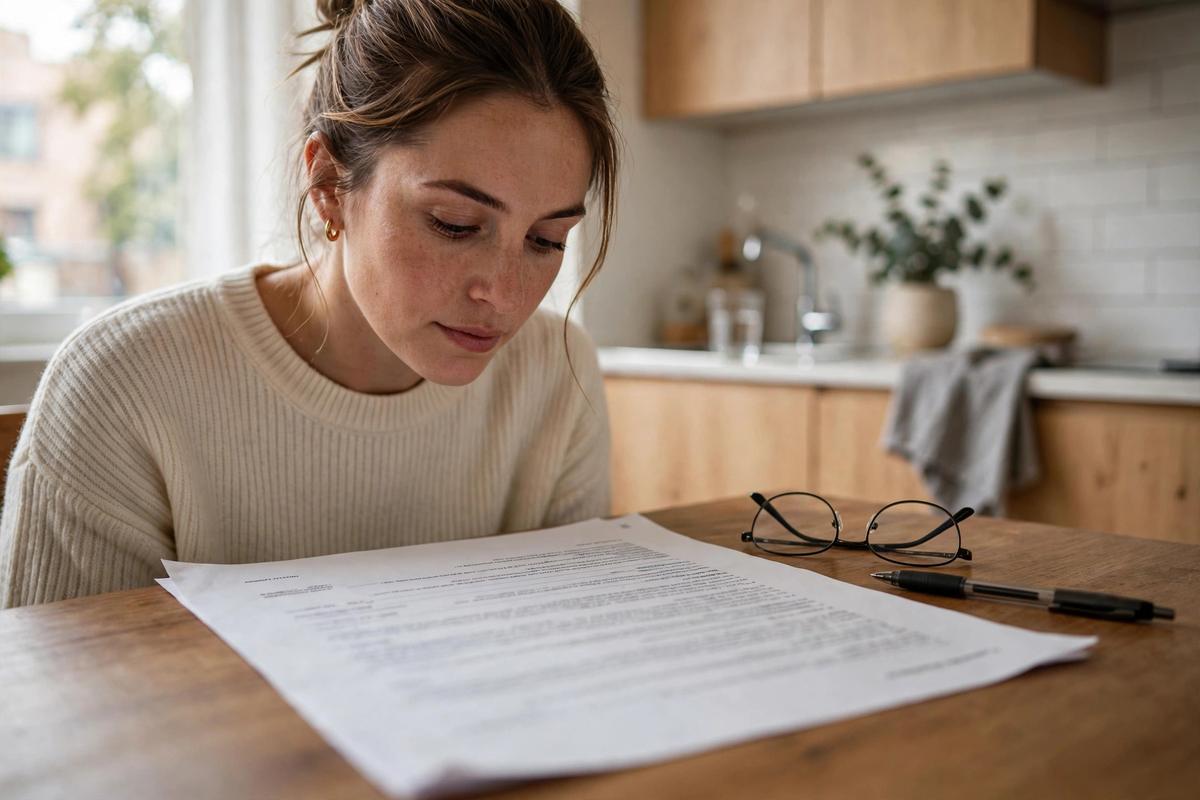
A “Sample Letter to HR for Personal Issues” is a pre-written template. It helps you communicate personal matters to your Human Resources department. You might need it for various reasons. These include requesting time off, or addressing workplace concerns.
Facing personal issues can be tough. Writing a formal letter can feel daunting. Don’t worry. We’ve got you covered.
We’ll share several sample letters. These examples will guide you. You can adapt them for your specific situation. Writing to HR just got easier.
Sample Letter To Hr For Personal Issues
[Your Name]
[Your Address]
[Your Phone Number]
[Your Email Address]
[Date]
[HR Department Name]
[Company Name]
[Company Address]
**Subject: Request for Assistance – Personal Matter**
Dear [HR Manager Name],
I am writing to request a meeting to discuss a personal matter that is currently impacting my work performance.
I am experiencing [briefly describe the issue without excessive detail, e.g., “a family emergency,” “a health concern,” or “a personal situation”]. This situation is making it difficult for me to fully concentrate on my responsibilities.
I would appreciate the opportunity to speak with you about possible solutions or resources that the company may offer to help me during this challenging time. I am committed to my work at [Company Name] and want to ensure I can continue to contribute effectively.
Please let me know what time works best for you to meet.
Thank you for your understanding and consideration.
Sincerely,
[Your Signature]
[Your Typed Name]
html
How to Write Letter To HR For Personal Issues
Subject Line: Clarity is Key
- Concisely articulate the letter’s purpose. Eschew ambiguity.
- Examples: “Request for Leave – Personal Matter,” “Confidential: Inquiry Regarding Bereavement Policy,” or “Seeking Accommodation – Personal Circumstances.”
- Brevity is paramount; aim for a succinct encapsulation of the core issue.
Salutation: Professional Courtesies
- Address the HR representative formally. “Dear Mr./Ms./Mx. [Last Name]” is generally appropriate.
- If the specific HR contact is unknown, “Dear Human Resources Department” is acceptable.
- Maintain a respectful and professional tone from the outset.
Body: Articulating Your Predicament
- Begin by directly stating the reason for your correspondence.
- Elucidate the personal issue with sufficient detail, but avoid superfluous information. Be judicious.
- If requesting leave, specify the desired duration and proposed return date.
- If seeking accommodation, delineate the specific adjustments needed and how they will facilitate your continued productivity.
- Maintain a neutral and objective tone, even when discussing emotionally charged situations.
Supporting Documentation: Bolstering Your Case
- Mention any supporting documentation you are providing (e.g., medical certificates, legal documents).
- Clearly state that these documents are attached or will be furnished upon request.
- This adds credibility and substantiates your claims.
Confidentiality: Requesting Discretion
- If the matter is particularly sensitive, explicitly request confidentiality.
- State your expectation that the information shared will be treated with the utmost discretion.
- This can provide reassurance and encourage open communication.
Closing: Professional Demeanor
- End with a formal closing such as “Sincerely,” or “Respectfully,” followed by your full name.
- Express gratitude for their time and consideration.
- Offer your availability for further discussion or clarification.
Postscript: Final Review
- Before submitting, meticulously proofread for any grammatical errors or typos.
- Ensure the tone remains professional and respectful throughout.
- Consider having a trusted colleague review the letter for clarity and objectivity before dissemination.
html
Frequently Asked Questions: Sample Letter to HR for Personal Issues
This section addresses common inquiries regarding writing a letter to Human Resources (HR) for personal issues. Understanding the proper protocol and content can help ensure your concerns are effectively communicated and addressed.
What information should I include in my letter?
Include your name, employee ID, department, a concise description of the issue, the impact it’s having, and any proposed solutions or assistance you’re seeking.
How formal should the tone of my letter be?
Maintain a professional and respectful tone throughout the letter. Avoid emotional language and focus on presenting facts and relevant details clearly.
Is it necessary to disclose all the details of my personal issue?
No, you are not required to provide all details. Share enough information for HR to understand the problem and offer support, while maintaining your privacy.
What if I need to request confidentiality?
Clearly state your request for confidentiality in the letter. HR typically respects confidentiality, but it’s important to communicate your expectations explicitly.
How should I submit my letter to HR?
Follow your company’s established protocol for submitting documents to HR. This may involve email, physical mail, or an internal HR system.