A “Sample Letter to Dispute Car Lease Excessive Wear and Tear” helps you fight unfair charges. These charges often pop up when you return your leased car. The leasing company might claim the car has too much damage.
This article provides sample letters. We will share different templates. You can use them to dispute these charges. They are easy to customize.
We want to make the process simple. You can easily tailor these samples. Protect yourself from unexpected costs.
Sample Letter To Dispute Car Lease Excessive Wear And Tear
[Your Name]
[Your Address]
[Your Phone Number]
[Your Email Address]
[Date]
[Leasing Company Name]
[Leasing Company Address]
**Subject: Dispute of Excessive Wear and Tear Charges – Lease Agreement # [Your Lease Agreement Number]**
Dear [Leasing Company Name] Customer Service,
I am writing to dispute the excessive wear and tear charges outlined in the final inspection report for my leased [Year] [Make] [Model], VIN: [Your Vehicle Identification Number]. My lease agreement number is [Your Lease Agreement Number]. The vehicle was returned on [Date of Return].
While I understand that I am responsible for normal wear and tear, I believe that some of the listed charges are unreasonable and exceed what is considered normal for a vehicle of this age and mileage. Specifically, I am disputing the following charges:
* [Specific Charge 1] – [Reason for Dispute. Be specific. E.g., “The [description of damage] was pre-existing and noted on the initial inspection report.”]
* [Specific Charge 2] – [Reason for Dispute. Be specific. E.g., “The [description of damage] is the result of normal use and consistent with the mileage on the vehicle.”]
* [Specific Charge 3] – [Reason for Dispute. Be specific. E.g., “I had the [description of damage] professionally repaired prior to returning the vehicle, and I have attached a copy of the repair invoice.”]
I have attached copies of the following documents to support my dispute:
* [Copy of Initial Inspection Report (if applicable)]
* [Copy of Repair Invoices (if applicable)]
* [Photos of the Vehicle (if applicable)]
I request a re-evaluation of the wear and tear charges. I am willing to discuss this matter further and provide any additional information you may need. I look forward to your prompt response and a fair resolution to this issue.
Sincerely,
[Your Signature]
[Your Typed Name]
html
How to Write Letter To Dispute Car Lease Excessive Wear and Tear
1. Crafting the Subject Line: Precision is Paramount
The subject line is your initial foray. Make it count. Don’t equivocate; be direct. Something like:
- Subject: Dispute of Excessive Wear and Tear Charges – Lease Account [Your Account Number]
2. Devising a Perspicacious Salutation
Address the letter to a specific person if possible. Research yields results. If a name is elusive, opt for a professional, albeit generic, greeting:
- “Dear [Lease Company Name] Dispute Resolution Department,”
- “To Whom It May Concern,” (Use sparingly; specificity is preferable)
3. Articulating the Purpose: Clarity Reigns Supreme
The opening paragraph must immediately establish your intent. Concisely state you are disputing the wear and tear charges levied upon lease termination. Reference the lease agreement number and vehicle identification number (VIN). For example:
“I am writing to formally dispute the excessive wear and tear charges assessed to lease account [Your Account Number] for the vehicle with VIN [Vehicle Identification Number], as outlined in the final inspection report dated [Date of Report].”
4. Substantiating Your Claims: Evidence is King
This is the crux of your argument. Detail each disputed charge, explaining why you believe it’s unwarranted. Reference specific clauses in your lease agreement. If you have photographic evidence or independent inspection reports, allude to them here. Be meticulous; precision curtails ambiguity.
- For each charge, state: “The [Specific Damage, e.g., scratch on the rear bumper] is considered normal wear and tear under the terms of the lease agreement, specifically section [relevant section number].”
- If you had the vehicle repaired, mention this and include dates and receipts.
- If the damages pre-existed your lease, state this explicitly.
5. Proposing a Resolution: A Call to Action
Clearly articulate what you desire. Are you seeking a complete waiver of the charges, a reduced amount, or an independent arbitration? Be unambiguous. Provide a reasonable timeframe for a response, typically 30 days.
“Therefore, I request a complete waiver of the aforementioned charges. I have attached [photographic evidence/independent inspection report] to support my claim. I anticipate a response within 30 days of the date of this letter.”
6. Expressing Civility and Cooperation: Diffusing Antagonism
Maintain a professional tone throughout. Express your willingness to cooperate and provide additional information if required. This portrays you as reasonable and makes your argument more palatable.
“I am available to discuss this matter further at your convenience and can be reached at [Your Phone Number] or [Your Email Address]. Thank you for your time and consideration in resolving this matter amicably.”
7. The Closing: A Formal Farewell
Employ a formal closing and include your signature. This adds a layer of gravitas to your communication.
- “Sincerely,” (or “Respectfully,”)
- [Your Signature]
- [Your Typed Name]
- [Your Address]
- [Your Phone Number]
- [Your Email Address]
html
Frequently Asked Questions: Disputing Car Lease Excessive Wear and Tear
This section addresses common inquiries regarding disputes over excessive wear and tear charges assessed at the termination of a car lease. Understanding your rights and the dispute process can potentially mitigate unwarranted charges.
What constitutes “excessive wear and tear” in a car lease?
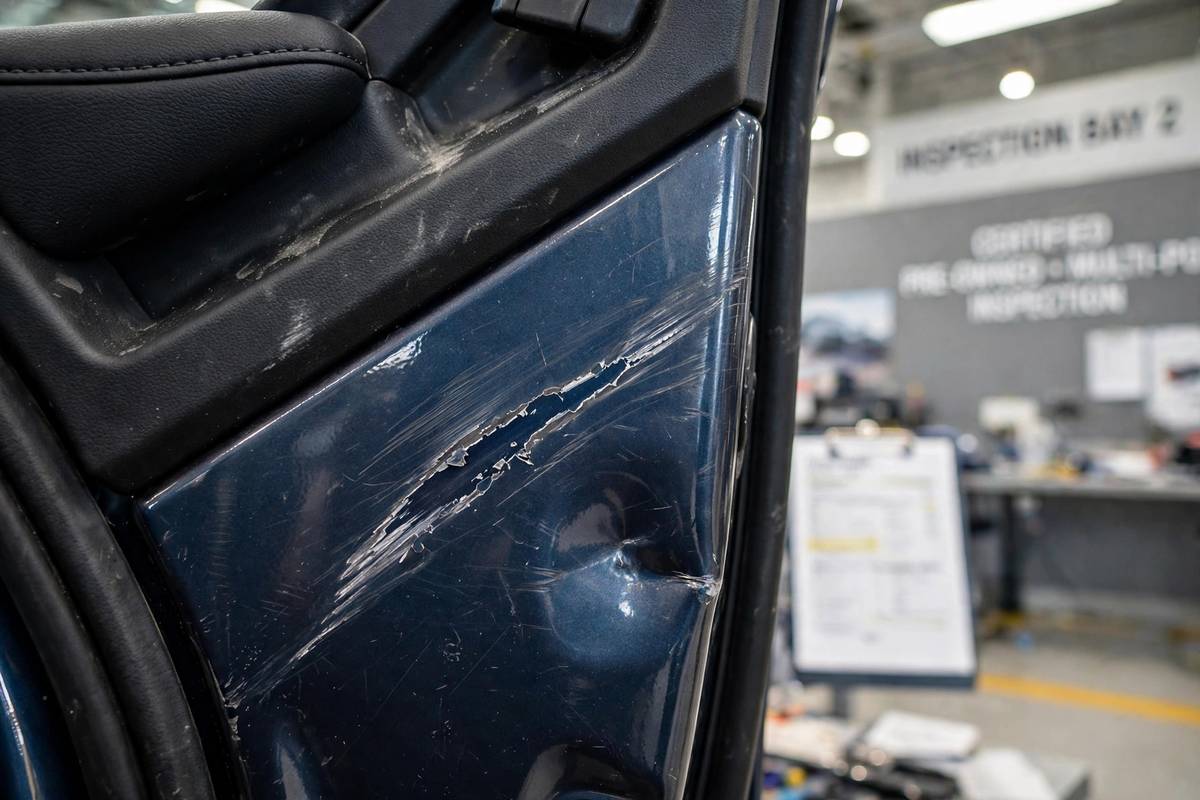
Excessive wear and tear typically refers to damage beyond normal use, as defined in your lease agreement. This can include dents, scratches, interior stains, tire wear beyond the allowed limit, and mechanical issues not caused by normal operation.
How do I dispute excessive wear and tear charges?
Initiate a dispute by sending a formal written notice to the leasing company, clearly outlining the reasons for your disagreement with the assessment. Include supporting documentation, such as photos or independent inspection reports.
What documentation should I include with my dispute letter?
Include a copy of the lease agreement, the inspection report detailing the excessive wear and tear charges, photos or videos of the alleged damage, and any repair estimates you have obtained.
What happens after I send my dispute letter?
The leasing company is required to review your dispute and respond within a reasonable timeframe, typically outlined in your lease agreement. They may offer a revised bill, request further information, or deny your dispute.
What are my options if the leasing company denies my dispute?
If the leasing company denies your dispute, you may consider mediation, arbitration (if stipulated in your lease agreement), or pursuing legal action in small claims court, depending on the amount in dispute.