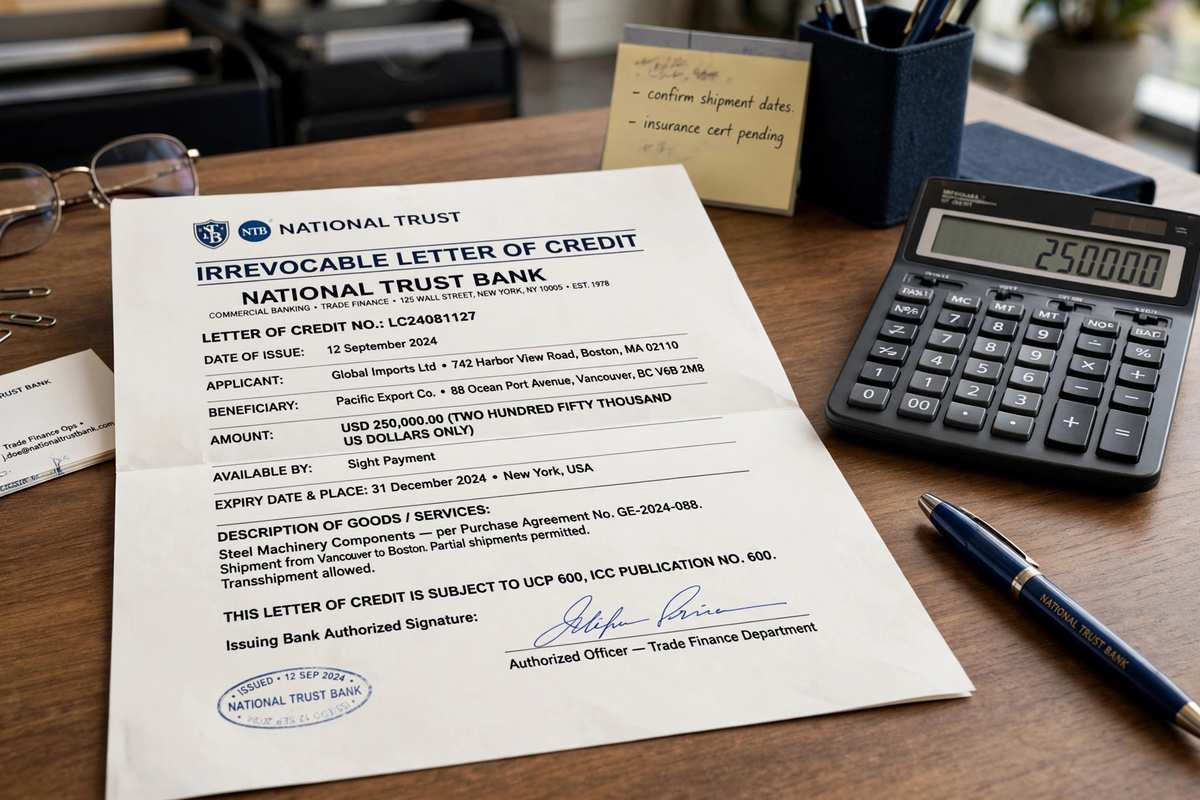
A “Sample Letter to Demand Documents From Financial Institutions” is a formal request. It asks for specific financial records. You might need this letter for several reasons. These include legal disputes, audits, or personal financial reviews.
This article is your guide. We will provide you with sample letters. These samples cover various situations. They help you draft your own letters easily.
We understand that writing these letters can be tricky. Our goal is to simplify the process. We offer ready-to-use templates. They will save you time and effort.
Sample Letter To Demand Documents From Financial Institutions
[Your Name]
[Your Address]
[Your Phone Number]
[Your Email Address]
[Date]
[Financial Institution Name]
[Financial Institution Address]
**Subject: Request for Documents – Account Number: [Your Account Number]**
Dear Sir/Madam,
I am writing to formally request copies of the following documents related to my account, number [Your Account Number]:
* [Specific Document 1 – e.g., Account Statements for January – June 2023]
* [Specific Document 2 – e.g., Loan Agreement]
* [Specific Document 3 – e.g., Check Images for Check Number 1234]
These documents are needed for [Briefly state reason – e.g., personal record keeping, tax preparation, dispute resolution].
Please send the requested documents to my address listed above within [Number] business days. If there are any fees associated with this request, please inform me beforehand.
Thank you for your prompt attention to this matter.
Sincerely,
[Your Signature]
[Your Typed Name]
html
How to Write Letter To Demand Documents From Financial Institutions
1. Crafting a Compelling Subject Line
The subject line is your initial foray into the recipient’s attention. It needs to be succinct and unequivocally clear. Avoid ambiguity at all costs; be direct about the purpose of your missive.
- Specify the type of document demanded (e.g., “Demand for Mortgage Statement”).
- Include your account number for facile identification.
- Employ assertive language, such as “Immediate Action Required.”
2. The Salutation: A Formal Overture
Commence your letter with a salutation that exudes professionalism. This isn’t the time for casual greetings; maintain a degree of formality.
- Address the specific department or individual, if known (e.g., “Dear Mortgage Department”).
- If the recipient is unknown, use a generic but respectful salutation (e.g., “To Whom It May Concern”).
- Always err on the side of formality, even if you’ve interacted with them previously.
3. Establishing Your Claim: A Clear and Concise Introduction
In the opening paragraph, articulate your identity and the reason for your correspondence with crystalline clarity. Avoid circumlocution; get straight to the point.
- State your full name and account number prominently.
- Declare the specific documents you require, leaving no room for misinterpretation.
- Briefly mention the reason for your demand, if pertinent (e.g., “for audit purposes,” “due to discrepancies”).
4. The Body: Detailing Your Demands and Justifications
The body of your letter is where you elaborate on your demands. Provide ample detail, but remain concise. Clarity is paramount.
- Specify the exact name of each document you require.
- Indicate the relevant date range for each document.
- Articulate any previous attempts to procure these documents and their outcomes.
- Outline the potential ramifications of non-compliance.
5. Setting a Deadline: Injecting Urgency
Impose a reasonable, yet firm, deadline for compliance. This conveys the seriousness of your request.
- Clearly state the date by which you expect to receive the documents.
- Ensure the deadline is realistic, allowing sufficient time for processing.
- Use decisive language, such as “Failure to comply by this date will necessitate further action.”
6. Outlining Recourse: Asserting Your Rights
Subtly allude to potential legal or regulatory actions if your demands are not met. This underscores the gravity of the situation.
- Mention your awareness of consumer protection laws or regulations.
- State that you are prepared to escalate the matter to regulatory bodies or legal counsel, if necessary.
- Avoid overtly threatening language; maintain a professional tone while asserting your rights.
7. The Closing: A Cordial Conclusion with a Hint of Steel
Conclude your letter with a professional closing that reiterates your expectations while maintaining a semblance of cordiality.
- Use a formal closing, such as “Sincerely” or “Respectfully.”
- Reiterate your expectation of timely compliance.
- Provide your contact information for ease of communication.
- Sign your name legibly and include your typed name beneath your signature.
html
Frequently Asked Questions: Demanding Documents from Financial Institutions
This section addresses common inquiries regarding the process of formally requesting documentation from financial institutions. It outlines key aspects related to drafting and submitting a demand letter.
1. What information should be included in a demand letter?
The letter should clearly state the specific documents requested, the relevant account numbers, the time period for the documents, the reason for the request, and a deadline for the institution to respond.
2. To whom should the demand letter be addressed?
Address the letter to the financial institution’s legal department or the compliance officer. Obtain the correct name and address through their website or by contacting customer service.
3. What is a reasonable timeframe to allow for a response?
Typically, allow the financial institution 30 days to respond to the demand letter. State this deadline clearly within the letter itself.
4. What should I do if the financial institution does not respond?
If no response is received within the specified timeframe, consider sending a follow-up letter. If the lack of response persists, legal counsel should be consulted to explore further action.
5. Should I send the demand letter via certified mail?
Yes, sending the demand letter via certified mail with return receipt requested is highly recommended. This provides proof that the letter was received by the financial institution.