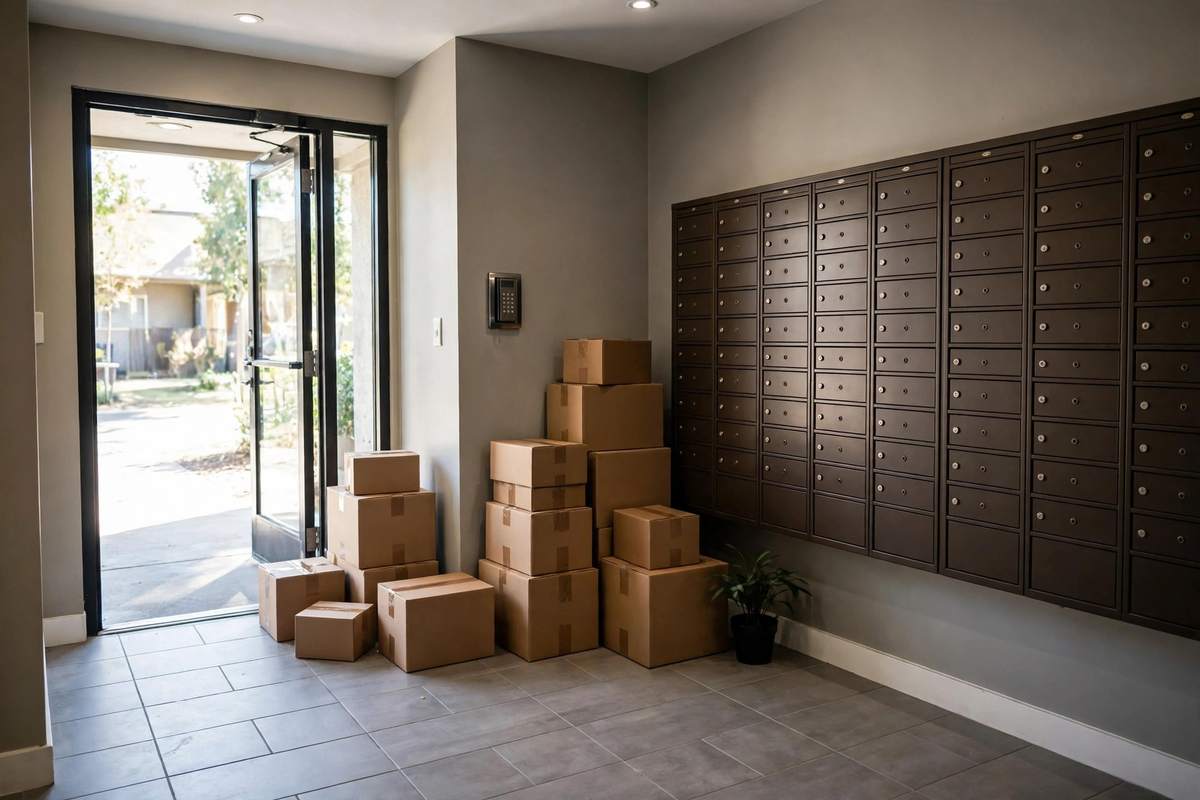
Garbage duty is one of those everyday details that rarely comes up until something goes wrong. A missed pickup, an overflowing dumpster, or a fine from the city can quickly turn into an argument about who was supposed to handle it. The answer is not always obvious, and it depends on your lease, your property type, and local rules.
This guide walks you through how trash responsibility usually works in rental homes and apartments. You will learn what the lease should say, how apartments and single family homes differ, and what to do when the garbage situation turns into a real problem.
Why Trash Rules Matter in a Rental
Trash might seem like a small detail, but it affects your health, your neighbors, and your wallet. Piled up garbage attracts pests, creates odors, and can draw fines from the city or the homeowners association. When nobody is clear on who handles it, the situation tends to get worse, not better.
Tenants often assume the landlord takes care of everything outside the front door. Landlords often assume tenants handle their own waste once it leaves the unit. Both sides can be right, depending on the agreement. That is exactly why the lease needs to spell it out before move in day.
What Your Lease Should Say About Trash
Most well written leases include a clause about waste disposal. It should name who pays for trash collection, who provides the bins, and where waste goes on pickup day. If your lease is silent on the topic, ask your landlord in writing before you sign so there is no confusion later.
Pay attention to the exact wording. Some leases say the landlord will “provide trash service,” which usually means they pay the hauler. Others say the tenant is responsible for “proper waste disposal,” which can mean setting up the account yourself. These are very different obligations.
When the Landlord Provides Trash Service
In most apartment complexes, the landlord or property manager handles trash service for the whole building. They pay the collection company and provide dumpsters or shared bins in a common area. Tenants are usually only responsible for bagging their trash and taking it to the designated area.
This setup is common because it is simpler for the landlord to manage one building wide account. It also avoids the problem of dozens of tenants each needing their own curb pickup. If you rent in a larger complex, check the lease to confirm the service is included and find out where the bins are located.
When the Tenant Handles Trash Themselves
In single family rental homes, the tenant often sets up trash service directly with the city or a private hauler. The landlord may provide the bins, or you may need to request them from the collection company. Either way, the monthly bill is usually the tenant’s responsibility.
This matters because trash fees can add up. Some cities charge a flat monthly rate, while private haulers price by bin size and pickup frequency. Before you sign a lease for a house, call the local hauler to find out what service costs in that neighborhood so you can budget for it.
How Apartments and Houses Handle Trash Differently
Apartments and single family homes have very different waste setups. In apartments, you typically walk your bagged trash to a dumpster or trash chute. The property manager arranges pickups, cleans the area, and deals with missed collections. Your main job is to bag everything properly and follow sorting rules.
In a house, you are in charge of the whole chain. You roll the bins to the curb, bring them back in, and handle anything that does not get picked up. If you miss collection day, the bins sit there until the next cycle. Some tenants find this independence refreshing, while others prefer the hands off apartment setup.
Duplexes and small multifamily buildings fall somewhere in the middle. Some landlords give each unit its own bins and expect tenants to manage them. Others use a shared dumpster system like an apartment complex. Always confirm the exact arrangement during your walkthrough so you know what to expect on day one.
Sorting, Recycling, and Bulky Items
Trash is not just trash anymore. Many cities require recycling and have strict rules about what goes in each bin. Contaminated recycling can get the whole bin rejected, and some landlords pass that frustration along to tenants. Ask for a copy of the local sorting guide when you move in.
Bulky items like mattresses, furniture, and appliances usually need special handling. Most regular pickups will not take them. Some cities offer free bulky item pickup a few times a year, while others charge a fee. If your lease says the tenant handles trash, large items are usually your problem too.
Never dump bulky items next to the dumpster and hope they disappear. Landlords can charge you for removal, and cities can issue fines for illegal dumping. A quick call to the hauler or the city’s waste department will tell you the right way to dispose of oversized items.
When Trash Problems Become the Landlord’s Responsibility
Even when tenants handle their own waste, the landlord keeps some obligations. The property must stay safe and sanitary under the basic landlord obligations that come with every rental. A broken dumpster enclosure, missing bins, or a trash area that has become a health hazard are all things the landlord needs to address.
Trash problems can also trigger pest control responsibilities. If garbage is piling up in a common area because the landlord has not arranged enough pickups, and that pile brings rats or roaches, the landlord generally has to fix it. Document the problem with photos and written requests so you have a record.
Tenants also handle certain day to day duties. Taking out the trash, bagging waste properly, and keeping your unit clean fall under the minor repairs tenants usually handle category of routine upkeep. The dividing line is simple. Your unit is your job. Shared systems and building level service are the landlord’s job.
Fines and Violations: Who Pays?
City fines for trash violations are one of the most common disputes between landlords and tenants. The answer to who pays depends on who caused the violation. If you left your bins at the curb for three days in violation of a city ordinance, that fine is almost certainly yours.
But if the fine was issued because the landlord never arranged collection service in the first place, the landlord should pay it. This is why documentation matters. Keep copies of your lease, your trash service bills, and any communication about waste problems. If a fine shows up, you will need to show who was responsible for the service.
Some leases include a clause saying the tenant is responsible for any city fines related to the property. Read this carefully before signing. A broad clause like this could make you liable for fines you did not cause, so try to narrow it to violations caused by your own actions.
Final Thoughts: Get Trash Duty in Writing
Trash responsibility should never be a guessing game. Before you sign a lease, confirm who pays for collection, who provides the bins, and what the rules are for sorting and bulky items. A two minute conversation now can prevent months of frustration later.
If you are already in a lease and trash problems are piling up, put your complaints in writing and keep photos of the issue. Whether you need to push your landlord to act or protect yourself from unfair fines, a paper trail is your best friend. And when you eventually move out, follow a solid move out cleaning checklist so trash does not come back to haunt your security deposit.