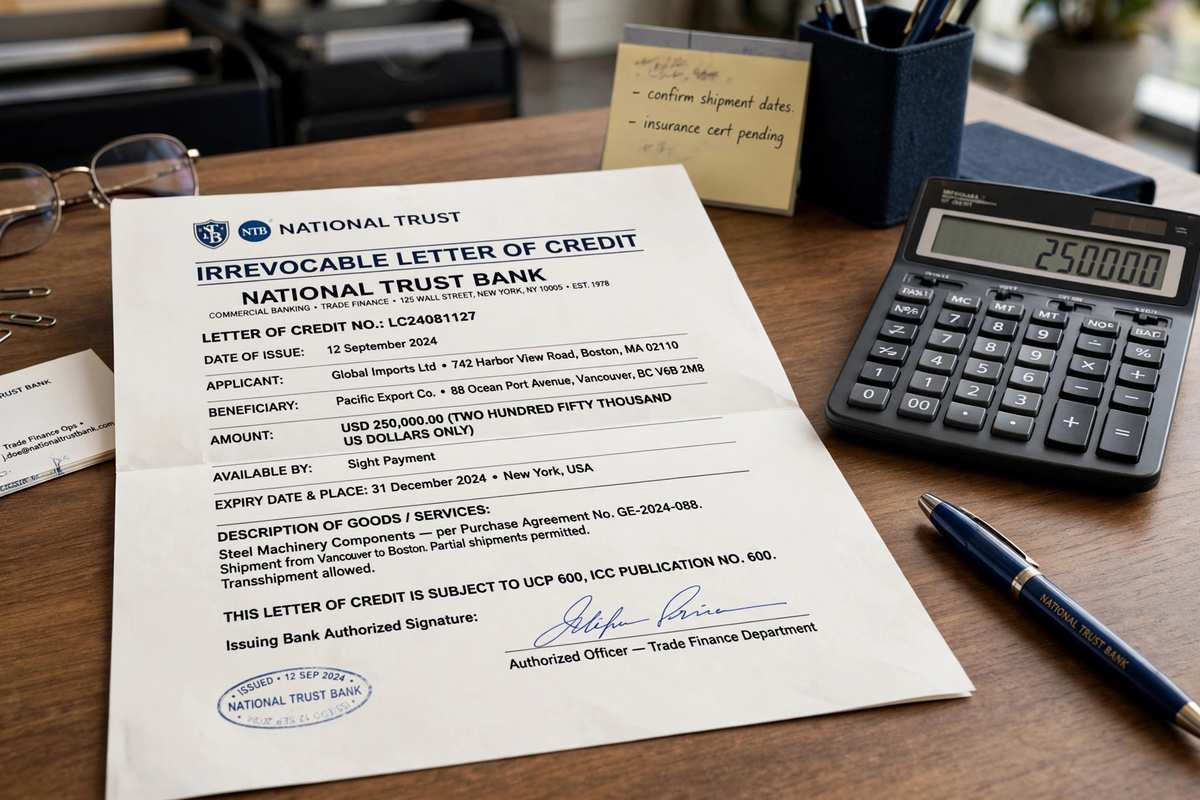
Need to know where things stand? A “Sample Letter To Check The Status Of Process” can help. It’s a formal way to ask for updates. People use it for applications, orders, or projects.
Writing such a letter can be tricky. You want to be polite but clear. That’s why we’re here to help you out.
We’ve got you covered with templates and samples. These will make writing your letter easy. Let’s get started and get those answers!
Sample Letter To Check The Status Of Process
Sample Letter To Check The Status Of Process
[Your Name/Company Name]
[Your Address]
[Your Phone Number]
[Your Email Address]
[Date]
[Recipient Name/Company Name]
[Recipient Address]
Subject: Inquiry Regarding the Status of [Process Name]
Dear [Recipient Name],
I am writing to inquire about the current status of the [Process Name] process. I initiated this process on [Date of Initiation] and my [Role in the process, e.g., application, request, etc.] was submitted on [Date of Submission].
Could you please provide an update on the progress of this [Process Name]? I would appreciate any information regarding the current stage of the process, the expected timeline for completion, and any potential outstanding requirements from my end.
My [Reference Number, if applicable] is [Your Reference Number]. Please feel free to contact me at your convenience if you require any further information.
Thank you for your time and attention to this matter.
Sincerely,
[Your Name/Company Name]
html
How to Write Letter To Check The Status Of Process
Crafting a Compelling Subject Line
- The subject line is your letter’s vanguard; it needs to be both concise and informative.
- Avoid ambiguity; instead, be forthright about the letter’s purpose. For example: “Inquiry Regarding Application #12345” or “Status Update Request – Project Phoenix.”
- Brevity is paramount. Adhere to a succinct phrasing to capture the recipient’s attention swiftly.
The Art of Salutation
- Commence with a formal salutation, particularly if you’re unsure of your relationship with the recipient. “Dear Mr./Ms./Dr. [Last Name]” is a safe bet.
- If you know the recipient well, a more convivial “Dear [First Name]” might suffice.
- In instances where the recipient’s name is unknown, opt for “To Whom It May Concern” or “Dear Sir/Madam.”
Opening Paragraph: Setting the Stage
- Begin by succinctly stating the reason for your correspondence. Avoid circuitous language; get to the point directly.
- Reference any pertinent details, such as application numbers, project names, or previous communications. This provides context and helps the recipient quickly understand your query.
- Example: “I am writing to inquire about the status of my application, #XYZ789, submitted on January 15, 2024.”
The Body: Delving Into Specifics
- In the body, furnish any additional information that might expedite the status check. This could include dates, reference numbers, or specific details about the process.
- Articulate your expectations clearly. What specific information are you seeking? A timeline? A decision date? Be precise.
- Maintain a courteous and professional tone throughout. Even if you’re feeling impatient, politeness is paramount.
Expressing Gratitude and Anticipation
- Express your appreciation for the recipient’s time and consideration. A simple “Thank you for your attention to this matter” goes a long way.
- Indicate your eagerness to receive an update. This reinforces the importance of your inquiry without being overly demanding.
- Example: “I would be grateful for any information you can provide and look forward to your response.”
The Closing: Formalities and Farewell
- Conclude with a formal closing, such as “Sincerely,” “Respectfully,” or “Yours faithfully.”
- Ensure your signature is legible and professional. If sending electronically, use a digital signature or type your full name.
- Include your contact information (phone number and email address) in case the recipient needs to reach you for clarification.
Proofreading and Polishing
- Before dispatching your letter, meticulously proofread it for any grammatical errors or typos. Even minor mistakes can detract from your credibility.
- Ensure the tone is consistently professional and courteous. Read the letter aloud to catch any awkward phrasing.
- Consider asking a colleague or friend to review the letter for a fresh perspective. A second pair of eyes can often spot errors you might have missed.
html
Frequently Asked Questions: Status Check Letters
This section provides answers to common questions regarding status check letters. It offers guidance on drafting effective inquiries about ongoing processes or applications.
What is the primary purpose of a status check letter?
The primary purpose is to formally inquire about the current status of a process, application, or request that has been previously submitted and is awaiting a response or completion.
What key information should a status check letter include?
The letter should include the original submission date, any reference numbers assigned, a clear statement of the request, and contact information for follow-up.
How long should I wait before sending a status check letter?
The waiting period depends on the expected processing time. Refer to any guidelines provided, or wait a reasonable period (e.g., 2-4 weeks) after the expected completion date.
What tone is appropriate for a status check letter?
Maintain a professional and polite tone. Express your inquiry respectfully while still clearly stating the purpose of your letter.
What should I do if I receive no response after sending a status check letter?
If there is no response within a reasonable timeframe (e.g., 1-2 weeks), consider sending a follow-up letter or contacting the relevant department directly by phone.