How to Modify or Amend a Lease Agreement (Addendum Guide)
June 11, 2025
Life happens. Circumstances change, sometimes unexpectedly, during the course of a lease term. Perhaps a tenant needs to add a roommate after their original...
Read Guide →
Browse category
Understand every lease before you sign it. Plain English guides to clauses, deposits, renewals, and the terms that matter most.
96 guides
June 11, 2025
Life happens. Circumstances change, sometimes unexpectedly, during the course of a lease term. Perhaps a tenant needs to add a roommate after their original...
Read Guide →
June 11, 2025
Terminating a lease agreement legally in the U.S. requires understanding the terms outlined in the lease and complying with both state laws and contractual...
Read Guide →
June 11, 2025
A Commercial Lease Agreement is a legally binding contract between a landlord and a business tenant for the rental of commercial property. Unlike residential...
Read Guide →
June 11, 2025
Writing a residential lease agreement starts with clearly identifying the parties involved—the landlord (or property owner) and the tenant. Begin the document by listing...
Read Guide →
June 11, 2025
Walk into any coffee shop where people are discussing moving, and you’ll likely hear the words “lease” and “rent agreement” thrown around almost interchangeably....
Read Guide →
June 11, 2025
A lease agreement is a written contract between a landlord and a tenant that explains the terms for renting a property. It clearly states...
Read Guide →Understand every lease before you sign it. Plain English guides to clauses, deposits, renewals, and the terms that matter most.

Common area maintenance charges are one of the most misunderstood line items in a commercial lease. Every year, tenants across the United States pay their CAM bills without question, even though industry experience shows that a meaningful share of those bills contain errors that favor the landlord. A CAM audit is a systematic review of … Read more

Opening a specialty coffee shop in a shopping center, only to watch the landlord lease the space next door to a competing coffee chain, is a nightmare scenario for retail tenants. Exclusivity clauses exist to prevent exactly that. They restrict the landlord from leasing space in the same property to businesses that compete directly with … Read more

Imagine signing a ten-year lease for the perfect office suite, building it out to your specifications, then receiving a letter from your landlord: you are being moved to a different floor. Many tenants agree to relocation clauses without realizing what they have conceded. A relocation clause allows the landlord to move your business to different … Read more

Most commercial tenants assume that as long as they pay rent, they can run their business however they like. In retail leases, that assumption is often wrong. Many shopping center leases include a continuous operation clause that requires you to keep your store open during specified hours, and closing your doors can trigger serious penalties. … Read more
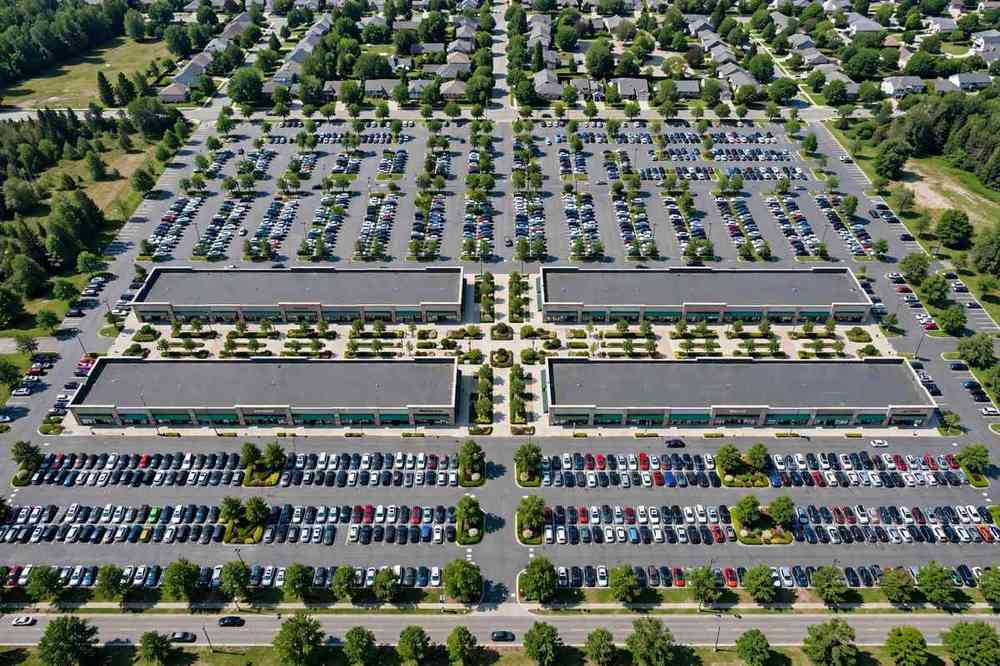
If you operate a retail store in a shopping center, your lease may contain a restriction you have never heard of: a radius clause. This provision limits your ability to open another location within a certain distance of your current store, and violating it can cost you a significant amount of money. Radius clauses are … Read more

When you sign a commercial lease, your landlord’s mortgage lender may ask you to sign a separate document called an SNDA. It often arrives with little explanation, buried in loan paperwork, and many tenants sign without understanding what it does. An SNDA stands for Subordination, Non-Disturbance, and Attornment agreement. It governs the relationship between you, … Read more

Signing a commercial lease in New York City almost always involves some form of personal guarantee. Landlords want a person, not just a company, standing behind the rent obligation. For tenants, that demand can feel like a deal breaker, since a full personal guarantee puts personal savings and investments on the line for the entire … Read more
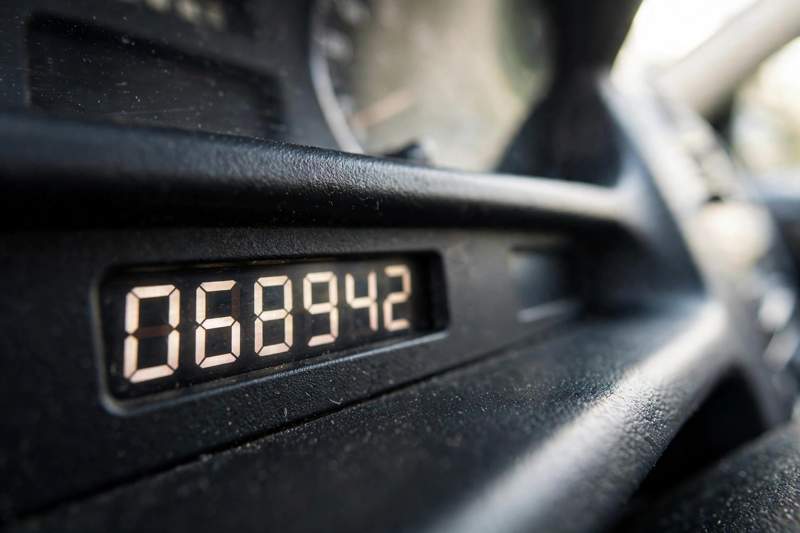
When you sign a car lease, you agree to return the vehicle after a set number of miles. Most leases allow 10,000 to 15,000 miles per year. If you go over that limit, the leasing company charges you for every extra mile. This is called lease mileage overage, and it can add up to hundreds … Read more

Opening a retail store in a shopping center is a major commitment. You sign a long-term lease, invest in build-outs and inventory, and build your customer base around the foot traffic that the center promises. But what happens when the anchor store closes, neighboring storefronts sit empty, or the center loses the mix of retailers … Read more

If you are signing a commercial lease, the rent figure on the first page is only part of the story. Many office and retail leases use a base year lease structure, which means your rent can rise each year as the building’s operating expenses grow. Understanding how the base year works helps you predict your … Read more