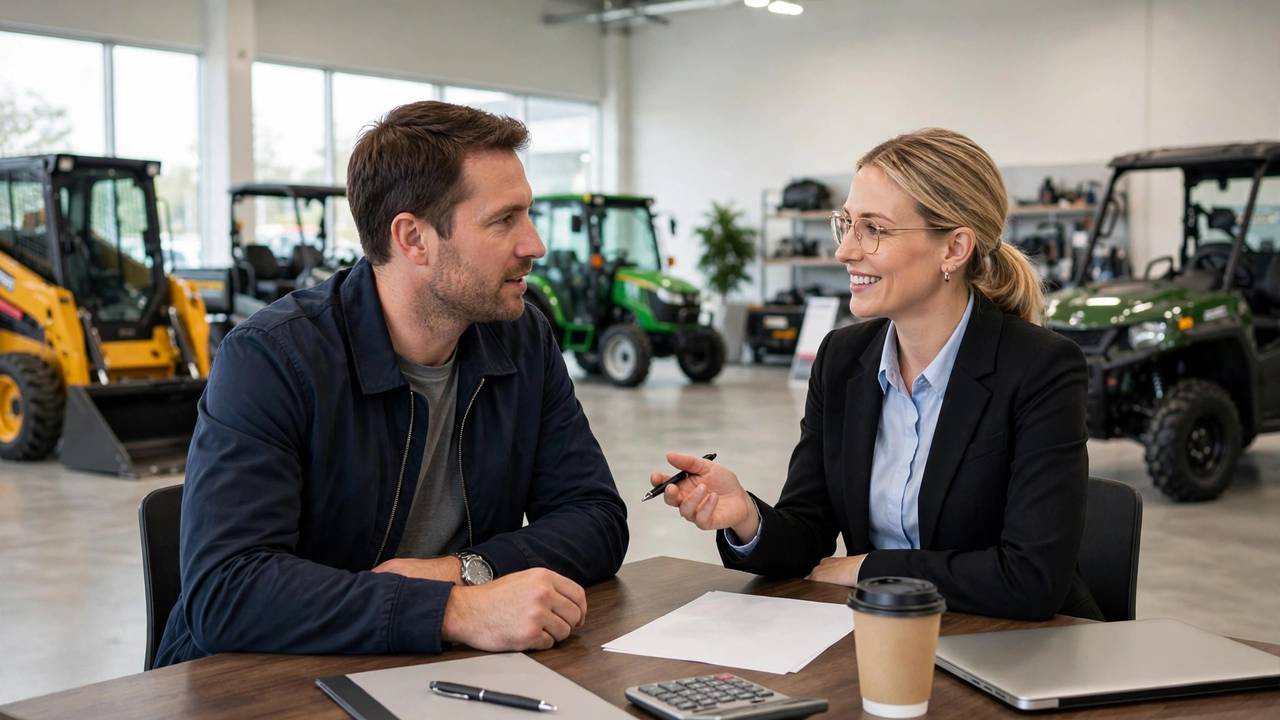
A captive finance company is a lending business owned by a manufacturer. When you finance a machine through the brand that built it, whether that is a tractor,...
When you need to finance equipment, two kinds of middlemen will compete for your business: brokers and lenders. Brokers shop your deal to multiple funding sources and earn...
UCC filings are one of the least understood parts of equipment leasing. Many business owners sign a lease, take delivery of their machine, and never realize the lender...
When a small business wants to lease a piece of equipment, the financing company almost always wants something more than the business name on the contract. That something...
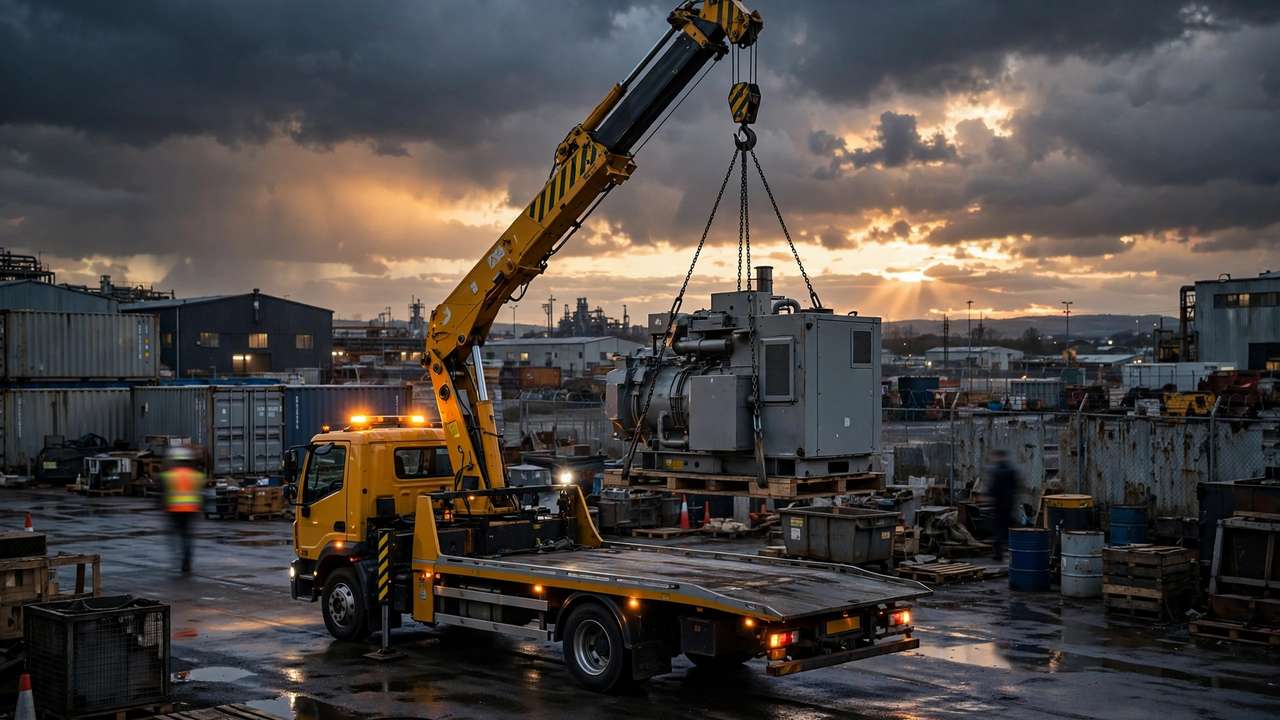
When an equipment lease goes into default, the lessor's right to take back the equipment is one of its most powerful tools. Repossession can happen quickly, sometimes within...
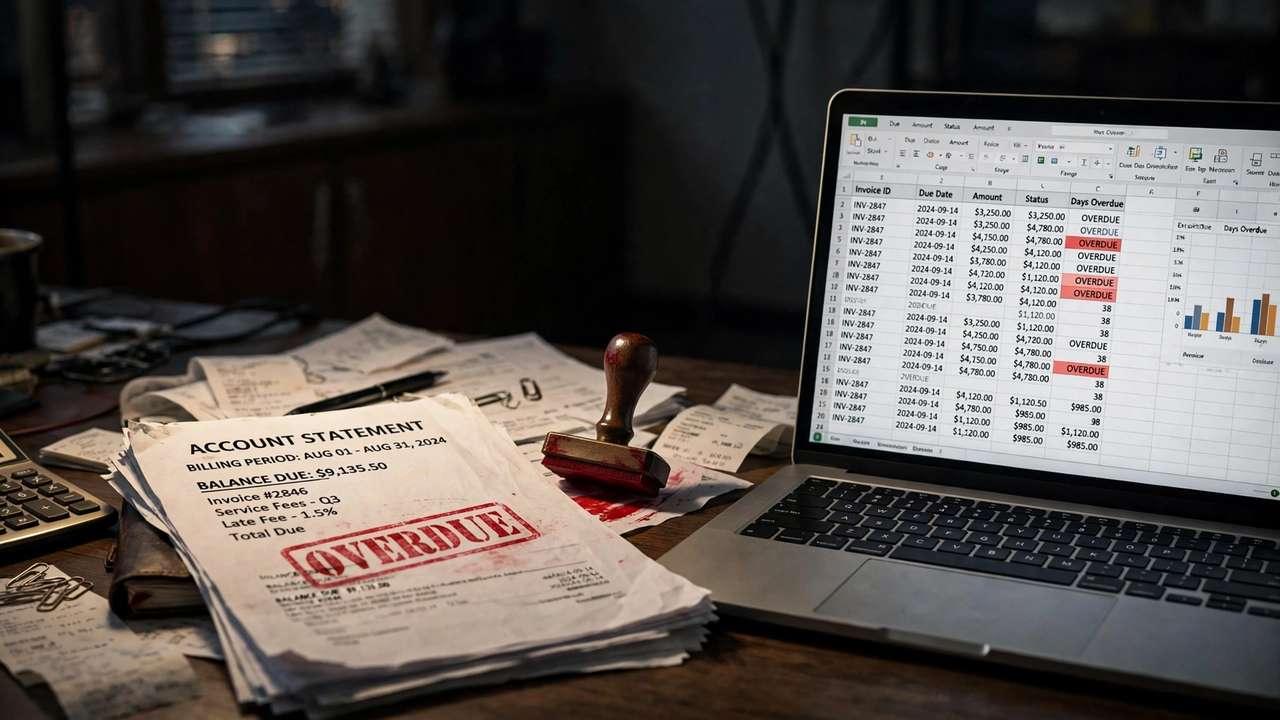
Missing a lease payment feels like a small stumble, but in the world of equipment leases it can trigger a chain of events that moves fast. Most equipment...
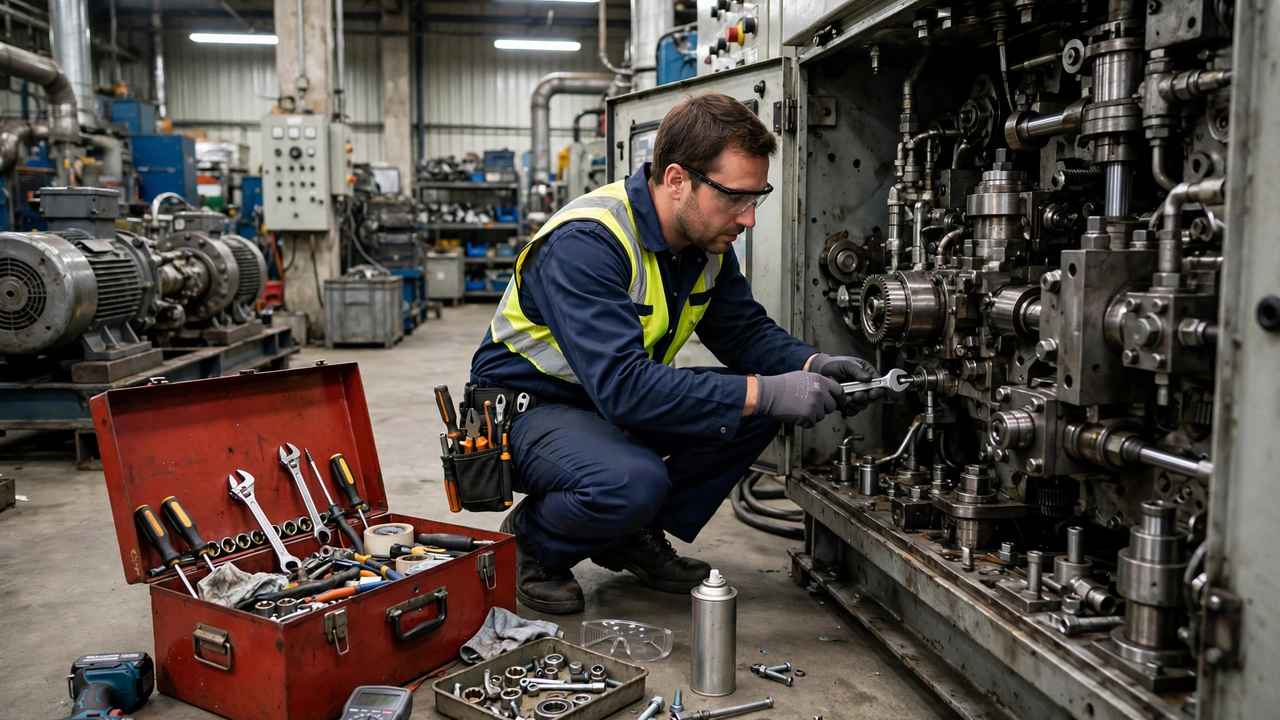
A full-service equipment lease bundles the machine together with the support it takes to keep that machine running. Instead of leasing a bare asset and handling maintenance, repairs,...
Every equipment lease you sign will contain an insurance section, and it is not optional boilerplate. Lenders require insurance because they own the equipment until the lease ends....
Equipment lease rates in 2026 look different than they did a few years ago. Interest rate shifts, tighter lender competition, and new equipment pricing have all moved the...
An equipment lease application looks a lot like a loan application on the surface, but lenders evaluate it through a slightly different lens. Because the lender keeps ownership...