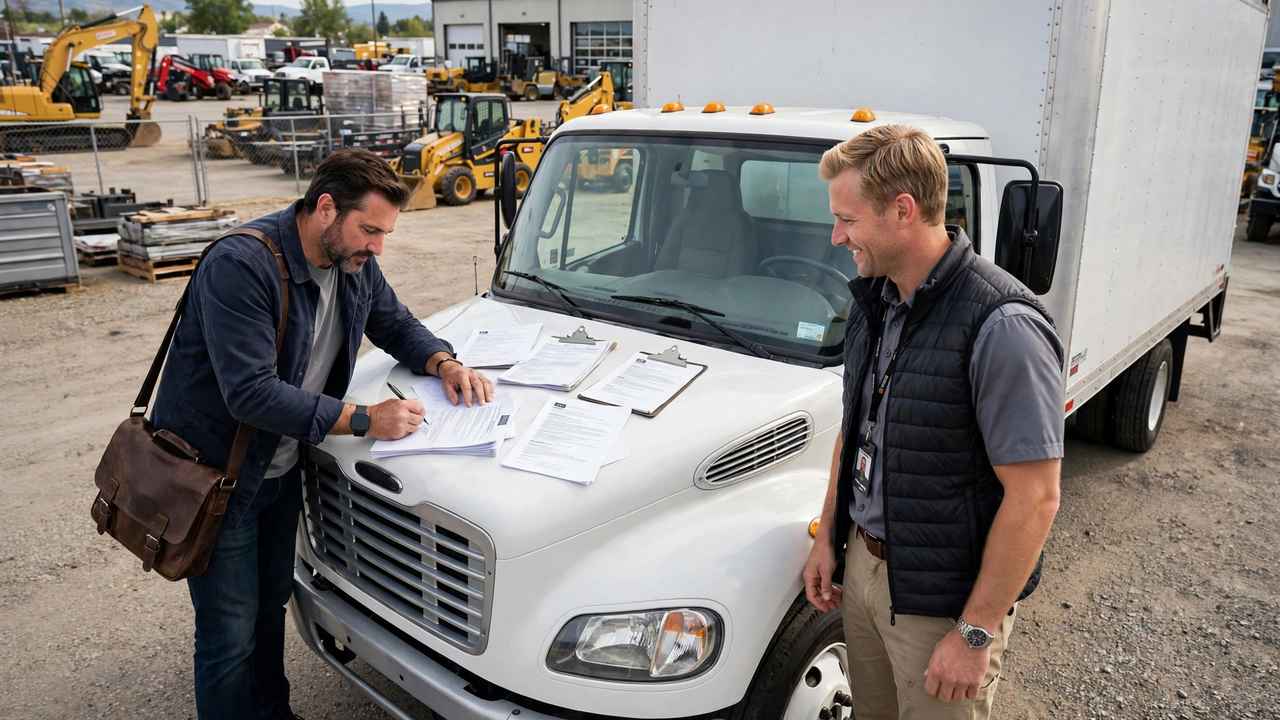
When a business no longer needs its leased equipment, or when another business needs equipment without waiting for a new lease approval, a lease assumption can solve both...
At the end of an equipment lease, you usually have a choice: return the equipment, renew the lease, or buy the equipment outright. That purchase, called a lease...
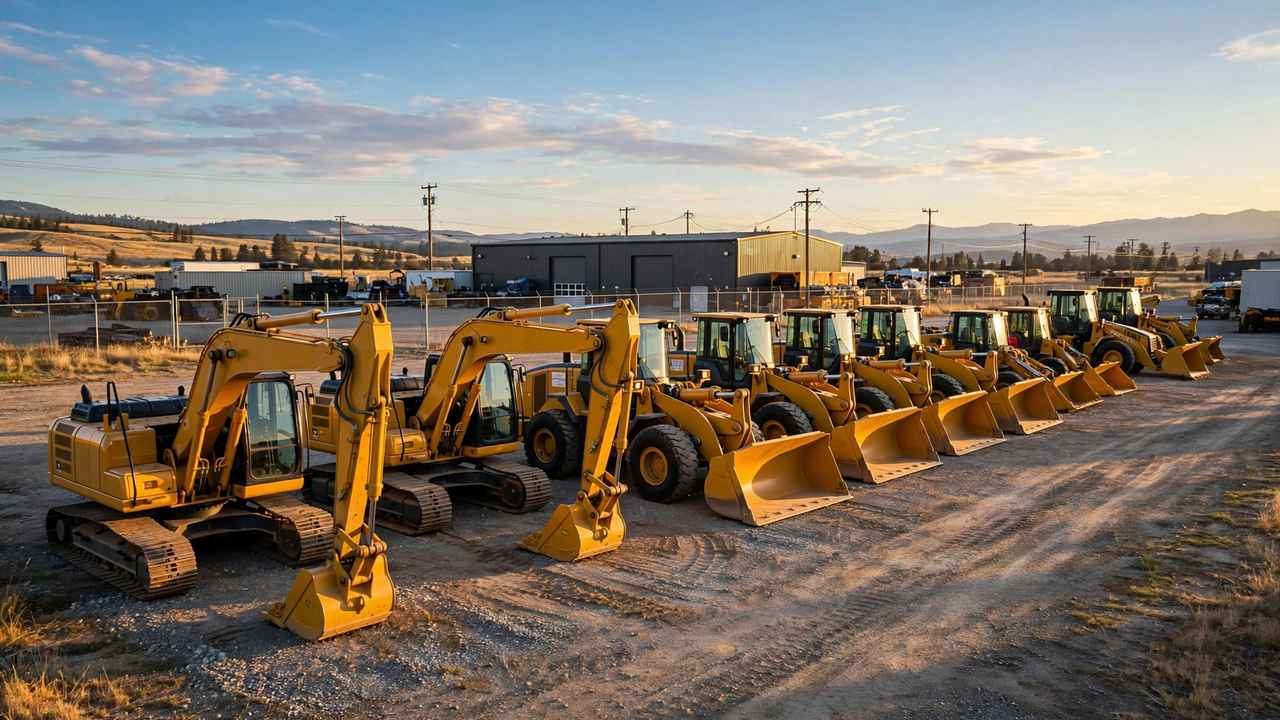
New equipment is expensive, and for many businesses it is more machine than the job requires. A three-year-old excavator, a two-year-old CNC machine, or a one-year-old fleet of...
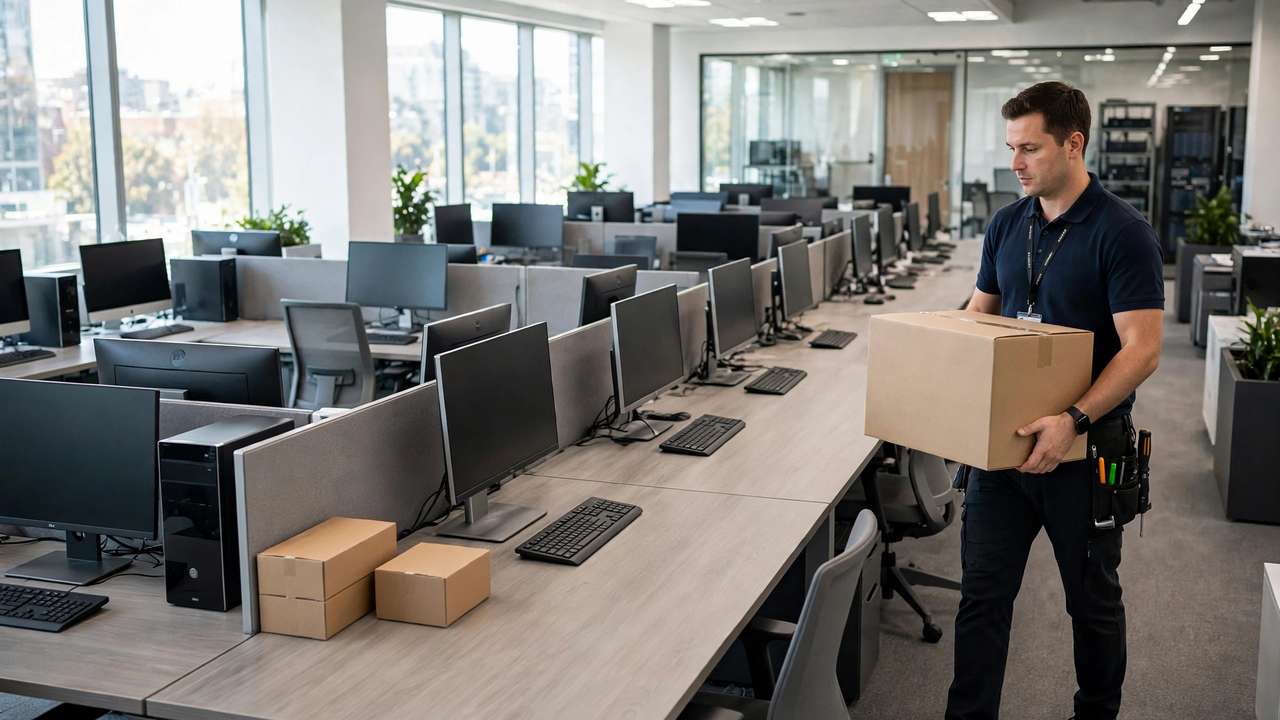
Information technology ages faster than almost any other asset a business owns. A laptop that felt quick on day one can feel sluggish by year three, and a...
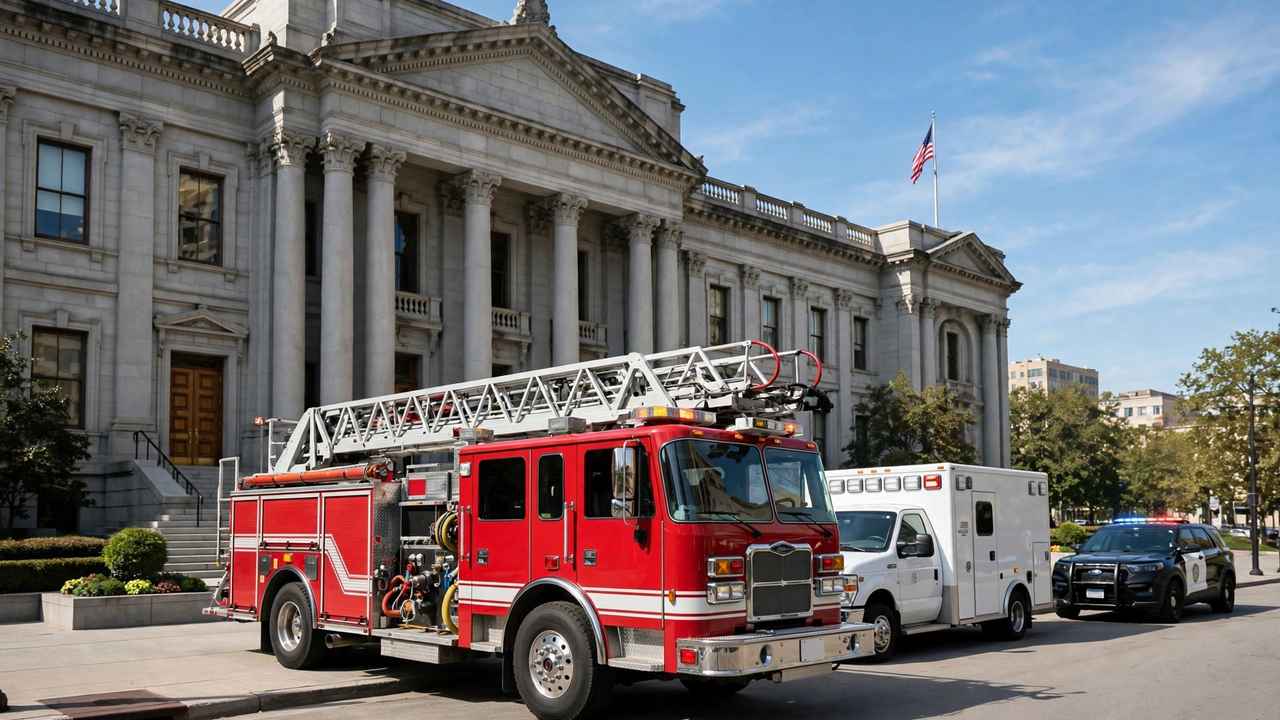
When a city buys fire trucks, a county outfits its sheriff's department, or a school district installs new HVAC systems, the money rarely comes from a single budget...
Equipment vendor financing is exactly what it sounds like: the company selling you the equipment also helps you pay for it. Instead of going to a bank, you...
A captive finance company is a lending business owned by a manufacturer. When you finance a machine through the brand that built it, whether that is a tractor,...
When you need to finance equipment, two kinds of middlemen will compete for your business: brokers and lenders. Brokers shop your deal to multiple funding sources and earn...
UCC filings are one of the least understood parts of equipment leasing. Many business owners sign a lease, take delivery of their machine, and never realize the lender...
When a small business wants to lease a piece of equipment, the financing company almost always wants something more than the business name on the contract. That something...