When a landlord wants extra assurance that rent will be paid, two instruments often come up: a lease guaranty and a surety bond. Both give the landlord someone...
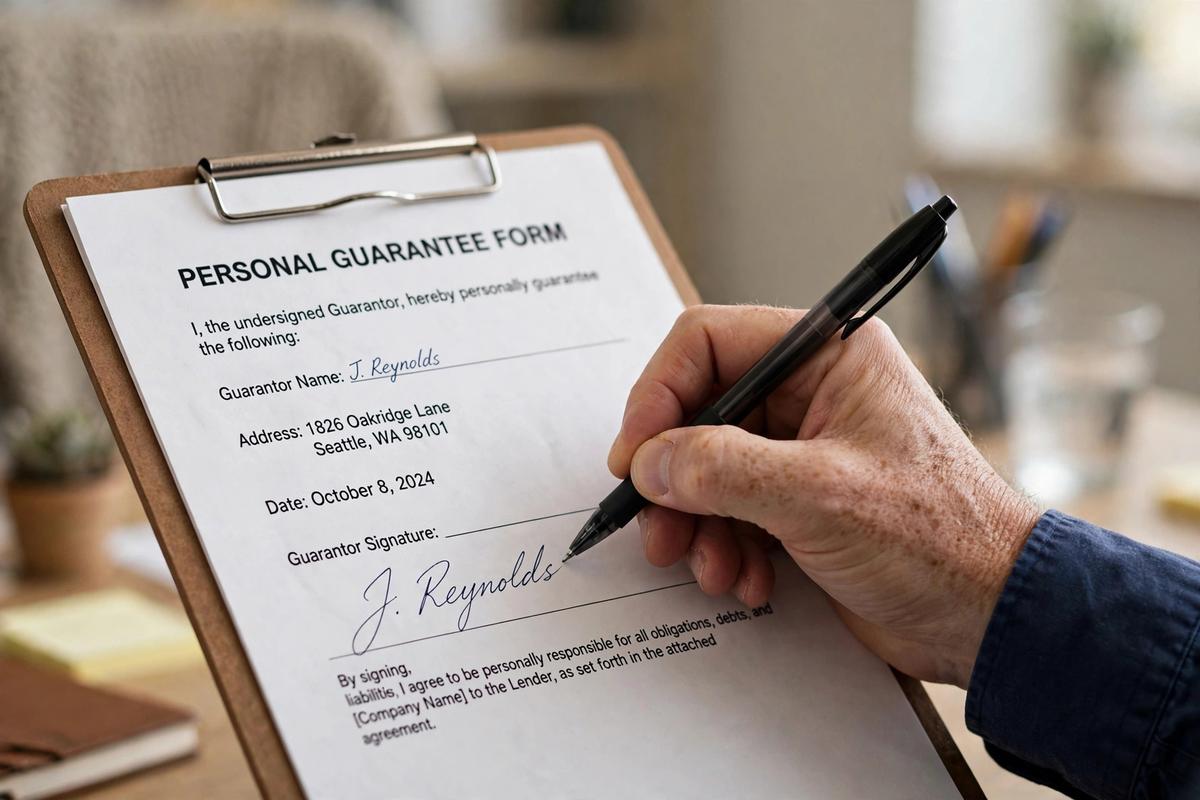
A personal guarantee makes you personally responsible for a lease signed by your business. If the company cannot pay the rent, the landlord can come after your house,...
Prepaid rent means paying rent before it is due, sometimes months or even a full year in advance. Some tenants offer it voluntarily to win a competitive apartment...
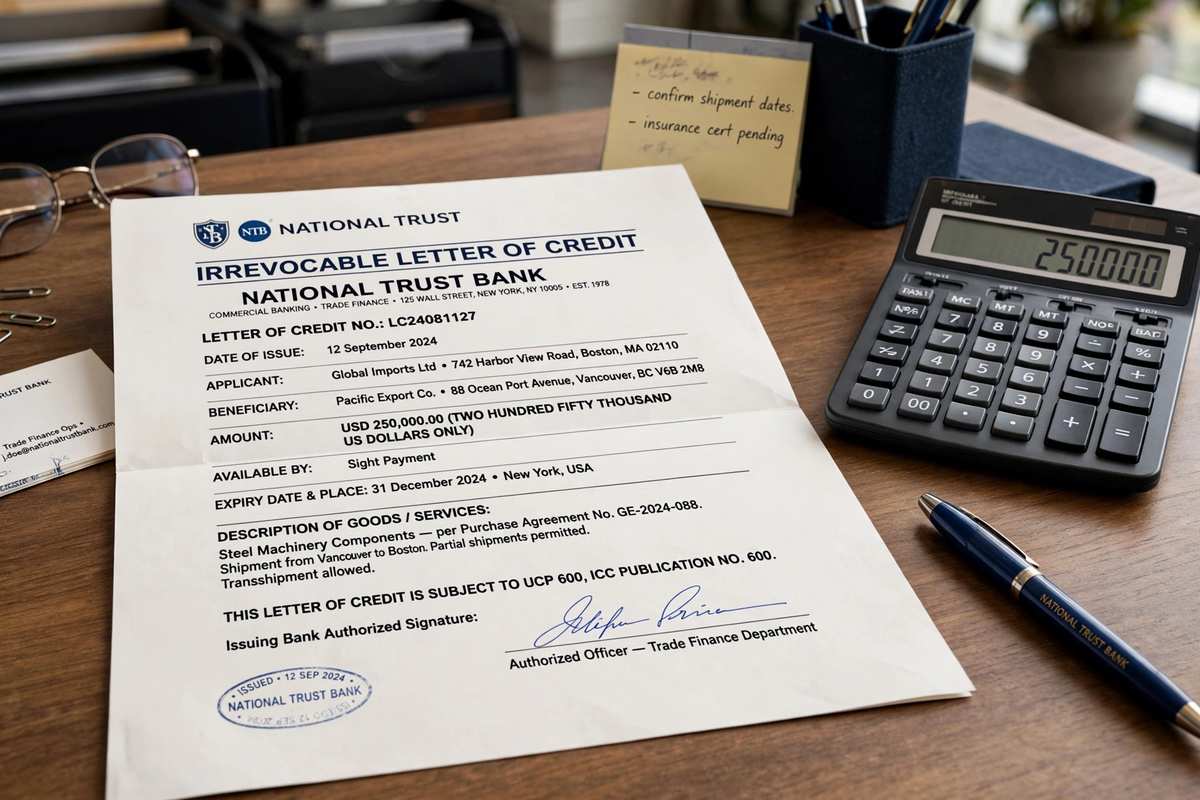
A letter of credit is a bank's promise to pay. When used as lease security, it replaces or supplements the traditional cash security deposit with a financial instrument...
A landlord's lien gives the landlord a legal claim against a tenant's personal property as security for unpaid rent. In plain terms, it can mean the landlord has...
A limitation of liability clause puts a ceiling on how much one party can owe the other. In commercial leases, these clauses are the landlord's favorite safety valve....
Indemnification clauses decide who pays when something goes wrong. In a lease, an indemnity provision can shift the entire cost of a lawsuit, a property damage claim, or...
A waiver of subrogation is one of those lease clauses that looks like harmless legal boilerplate until a claim actually happens. It sits quietly in the insurance section...
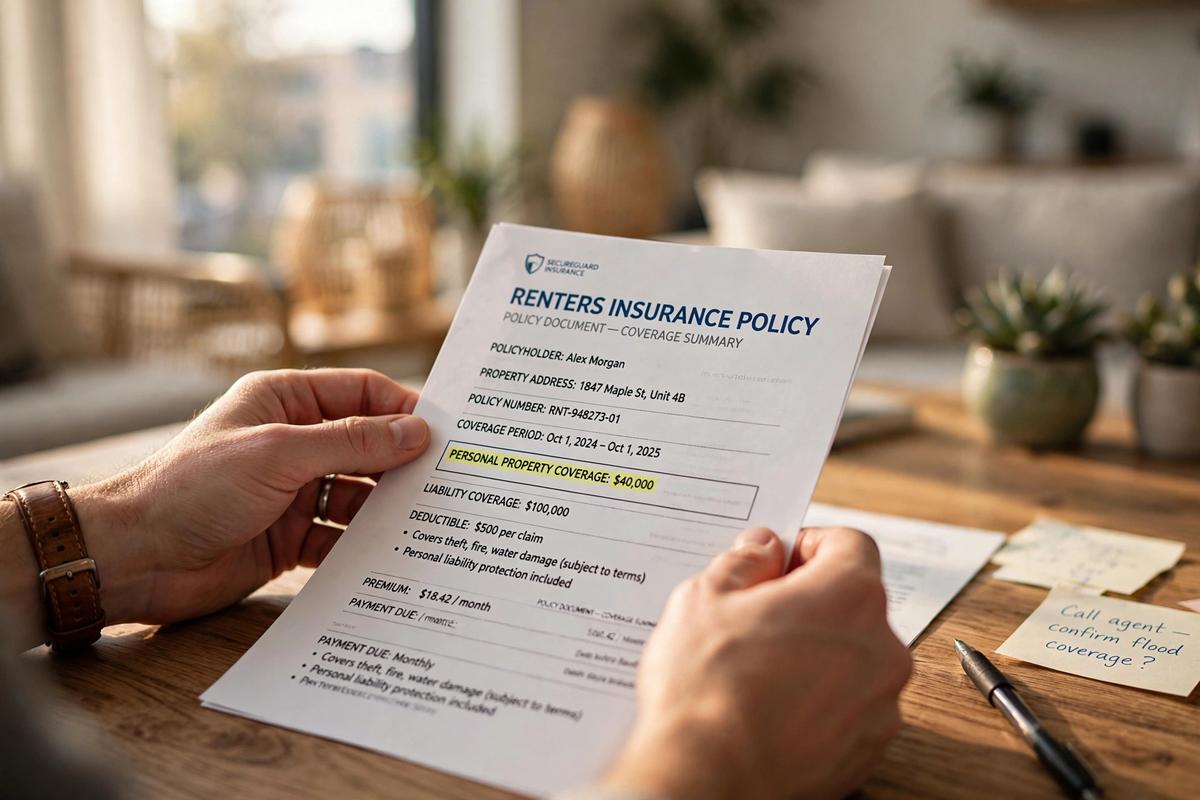
Insurance is a standard feature of every commercial lease, but the insurance section is often treated as boilerplate. Tenants skim it, landlords recycle it from prior deals, and...
Hazardous materials clauses are among the most consequential provisions in a commercial lease, and they are also among the least read. Buried in the lease's boilerplate, these clauses...