
Squatter’s Rights by State: Adverse Possession Explained
October 11, 2026
Squatter’s rights sound like a legal myth, but they rest on a real doctrine called adverse possession. In every U.S. state, a person who...
Read Guide →
Browse category
182 guides
October 11, 2026
Squatter’s rights sound like a legal myth, but they rest on a real doctrine called adverse possession. In every U.S. state, a person who...
Read Guide →
October 11, 2026
Eviction is expensive, stressful, and slow. For landlords, it can mean months of lost rent and thousands in legal fees. For tenants, it means...
Read Guide →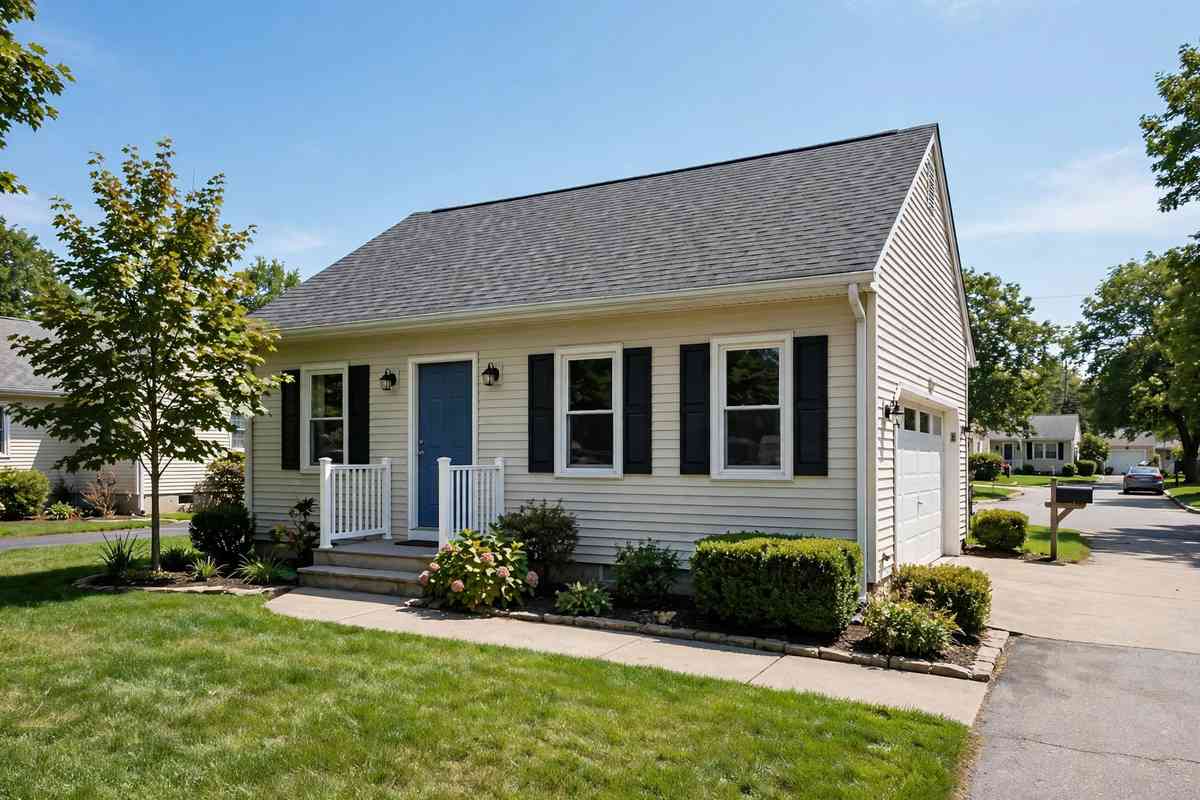
October 11, 2026
The Housing Choice Voucher Program, commonly called Section 8, helps more than two million American households afford rental housing. It is the federal government’s...
Read Guide →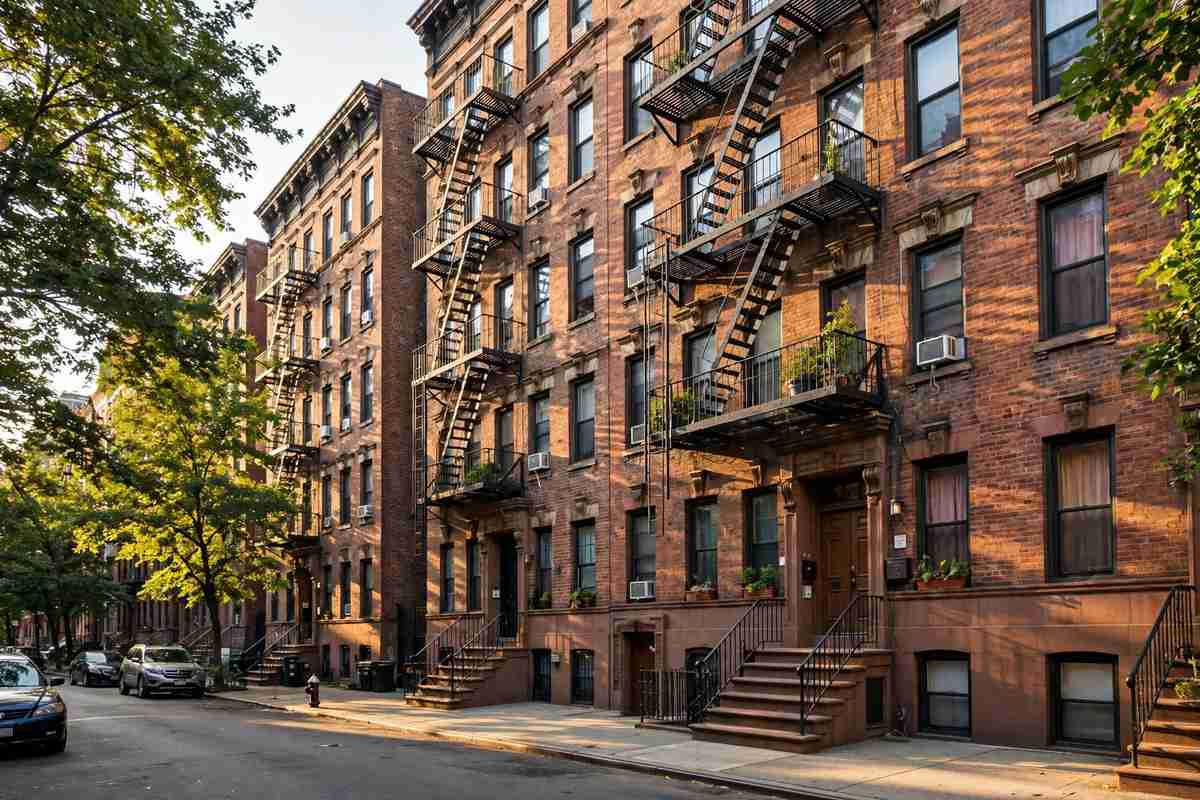
October 11, 2026
Rent control and rent stabilization sound like the same thing, and many people use the terms interchangeably. In the United States, though, they describe...
Read Guide →
October 11, 2026
Common area maintenance charges are one of the most misunderstood line items in a commercial lease. Every year, tenants across the United States pay...
Read Guide →
October 11, 2026
Opening a specialty coffee shop in a shopping center, only to watch the landlord lease the space next door to a competing coffee chain,...
Read Guide →
October 11, 2026
Imagine signing a ten-year lease for the perfect office suite, building it out to your specifications, then receiving a letter from your landlord: you...
Read Guide →
October 11, 2026
Most commercial tenants assume that as long as they pay rent, they can run their business however they like. In retail leases, that assumption...
Read Guide →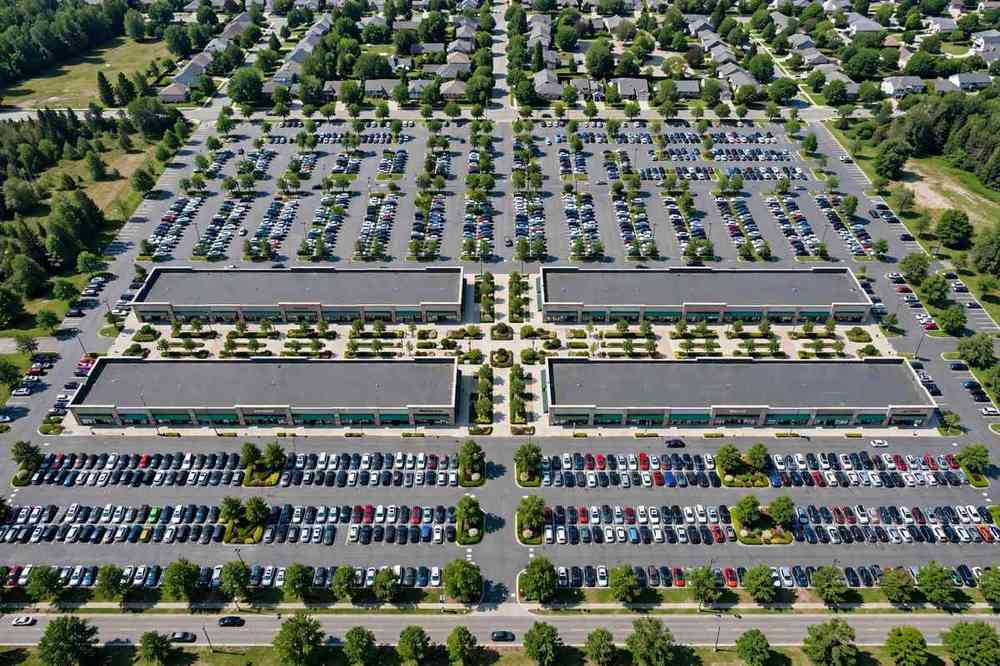
October 11, 2026
If you operate a retail store in a shopping center, your lease may contain a restriction you have never heard of: a radius clause....
Read Guide →
October 10, 2026
When you sign a commercial lease, your landlord’s mortgage lender may ask you to sign a separate document called an SNDA. It often arrives...
Read Guide →
October 10, 2026
Signing a commercial lease in New York City almost always involves some form of personal guarantee. Landlords want a person, not just a company,...
Read Guide →
October 10, 2026
When you sign a car lease, you agree to return the vehicle after a set number of miles. Most leases allow 10,000 to 15,000...
Read Guide →
October 10, 2026
When you lease a car, the dealership will quote you a monthly payment, a residual value, and a capitalized cost. Tucked into the paperwork,...
Read Guide →
October 10, 2026
If you have ever signed an office lease and thought of it as just a monthly rent check, ASC 842 lease accounting changes that...
Read Guide →
October 10, 2026
For many businesses, the building they operate from is both a workplace and a major store of capital. A sale leaseback lets a company...
Read Guide →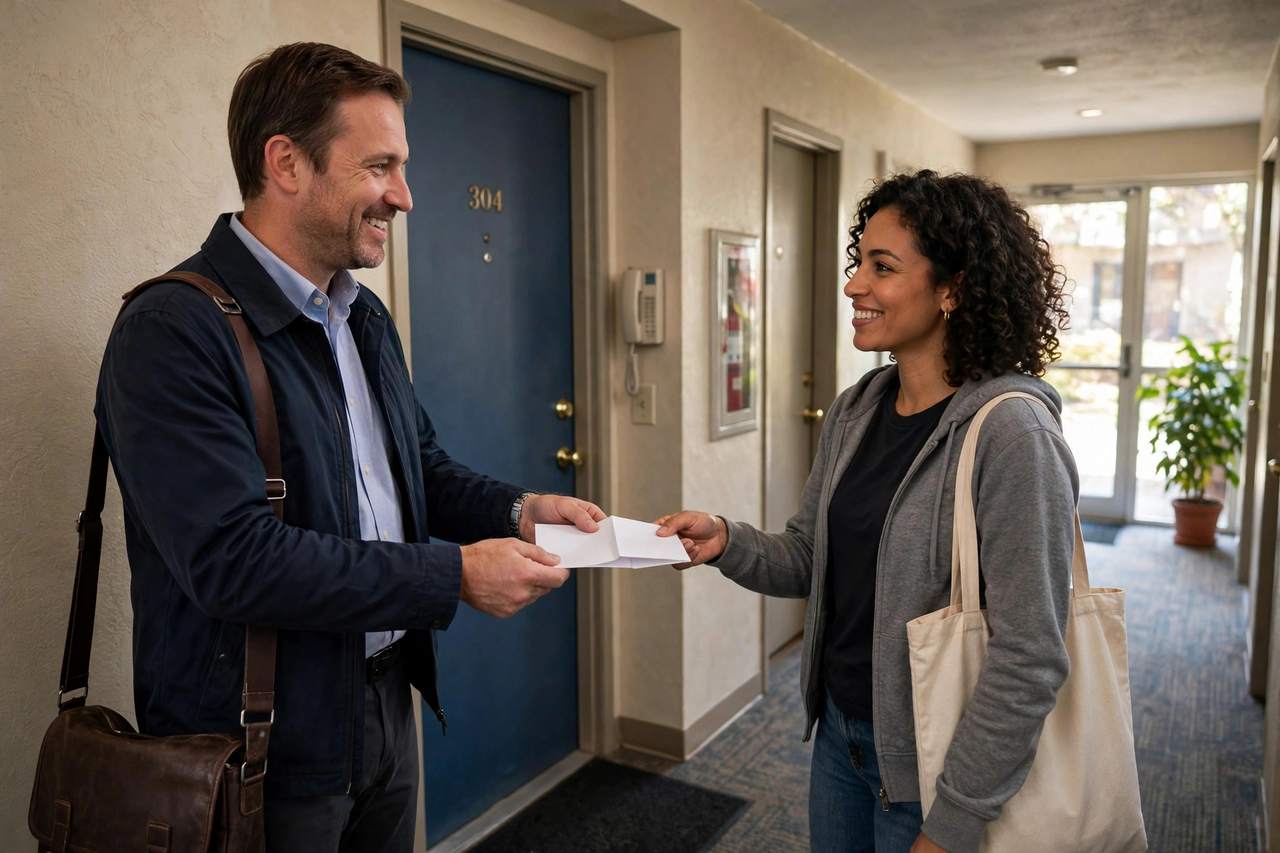
Picture this: you come home from work and find your landlord’s maintenance worker inside your apartment, or you walk out of the shower to hear a key in the front door. Nobody asked permission. Nobody gave notice. The shock turns into anger, and then into a question that millions of renters have asked: can your … Read more

Finding out your landlord walked into your apartment while you were at work is unsettling. You may wonder whether they had the right to do that, and what the law requires them to do before entering. The short answer is that in almost every state, landlords must give advance notice before entering a rented home, … Read more
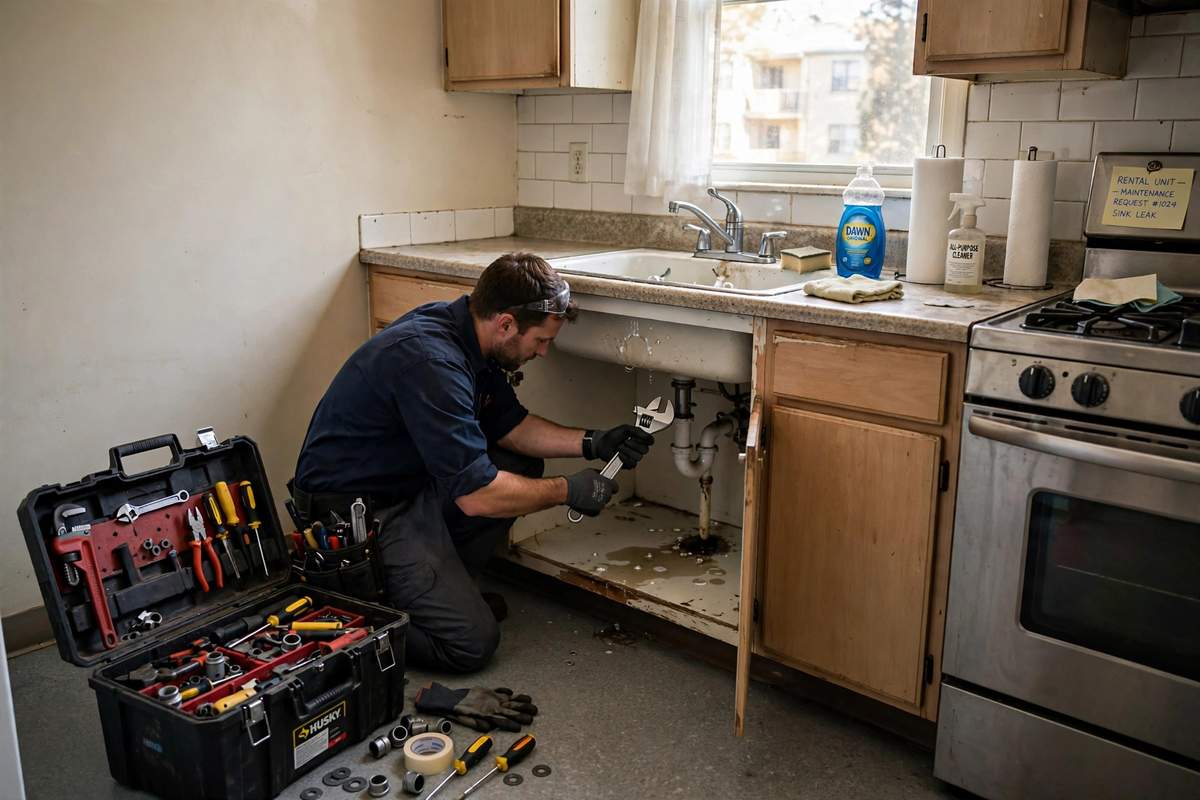
Imagine your landlord shuts off the heat in January, lets sewage flood the bathroom for weeks, or simply stops making repairs that keep the home livable. You have not been formally evicted, but the conditions make it impossible to stay. The law has a name for this situation: constructive eviction. Constructive eviction is a powerful … Read more

Every residential lease in the United States carries an invisible promise: the home you rent must be fit to live in. This promise is called the implied warranty of habitability, and it exists whether or not your lease mentions it. It is one of the most important protections tenants have, yet many renters have never … Read more

When your landlord will not fix a broken heater, a leaking pipe, or a dead refrigerator, you do not have to live with the problem or wait months for action. In many states, the law gives tenants a practical remedy called repair and deduct: you arrange the repair yourself with a licensed professional, pay for … Read more
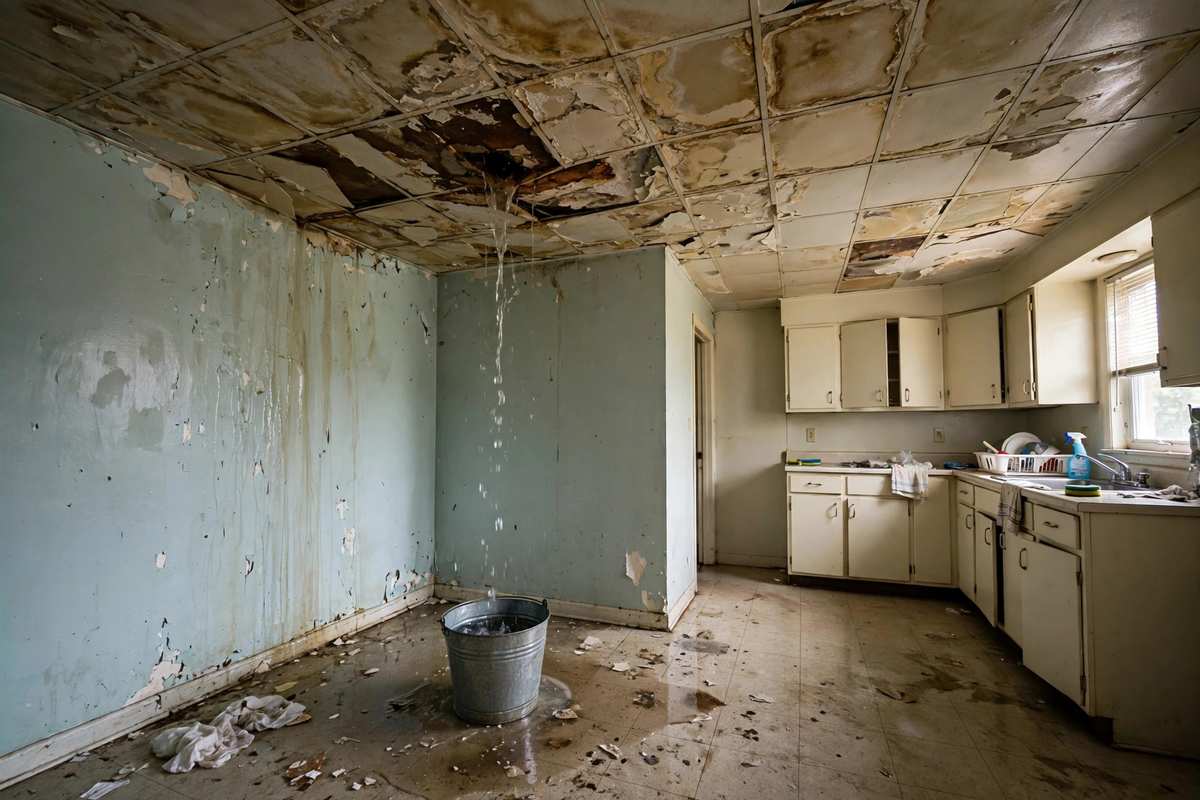
When your landlord ignores broken heating, a leaking roof, or a dead refrigerator, the temptation to stop paying rent is powerful. Why pay full price for a home that is falling apart? In some states, withholding rent is a legal remedy for unmade repairs. In others, it is a fast track to eviction. The difference … Read more

Not every repair in a rental is the landlord’s job. While landlords handle major systems and supplied appliances, tenants are expected to take care of small, everyday maintenance on their own. Knowing where that line sits saves you from waiting weeks for a fix you could handle in five minutes, and it keeps you from … Read more
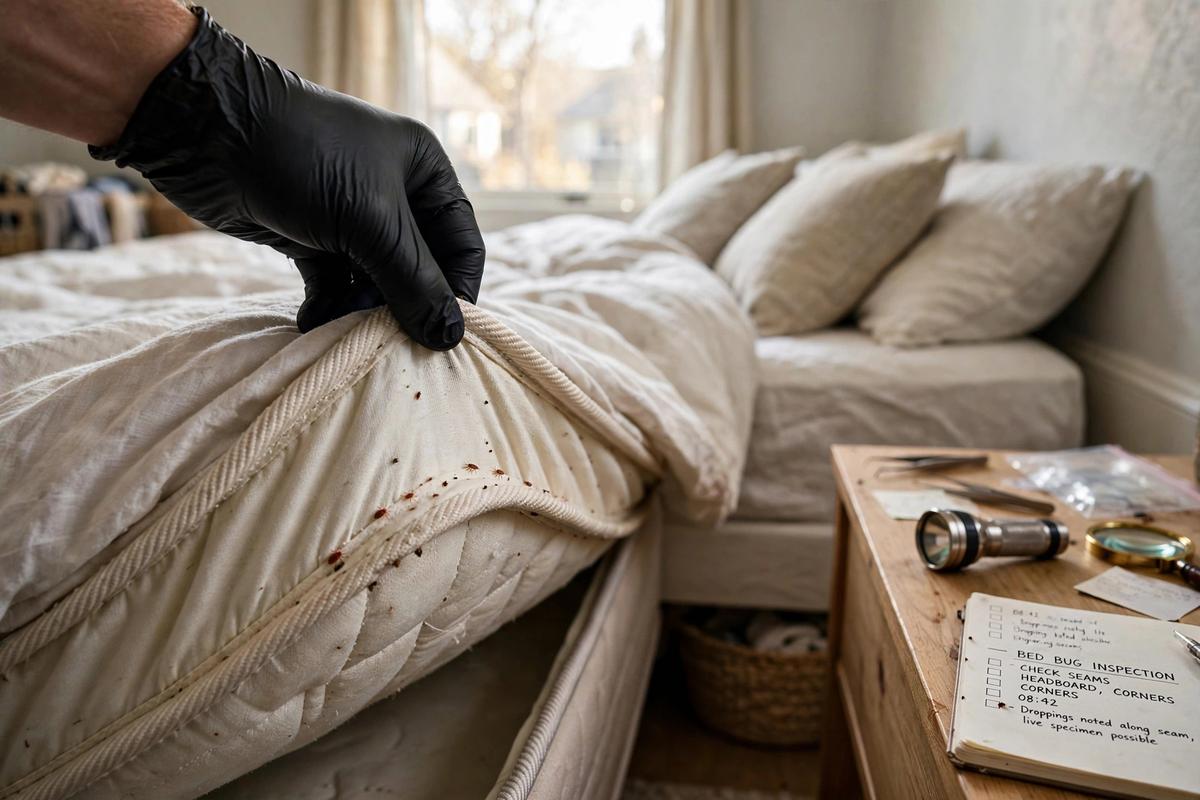
A broken refrigerator, a dead furnace in January, or a washing machine that floods the laundry room can turn a comfortable rental into a daily frustration. When appliances supplied with your rental stop working, one question matters more than any other: whose job is it to fix them? The answer depends on your lease, your … Read more
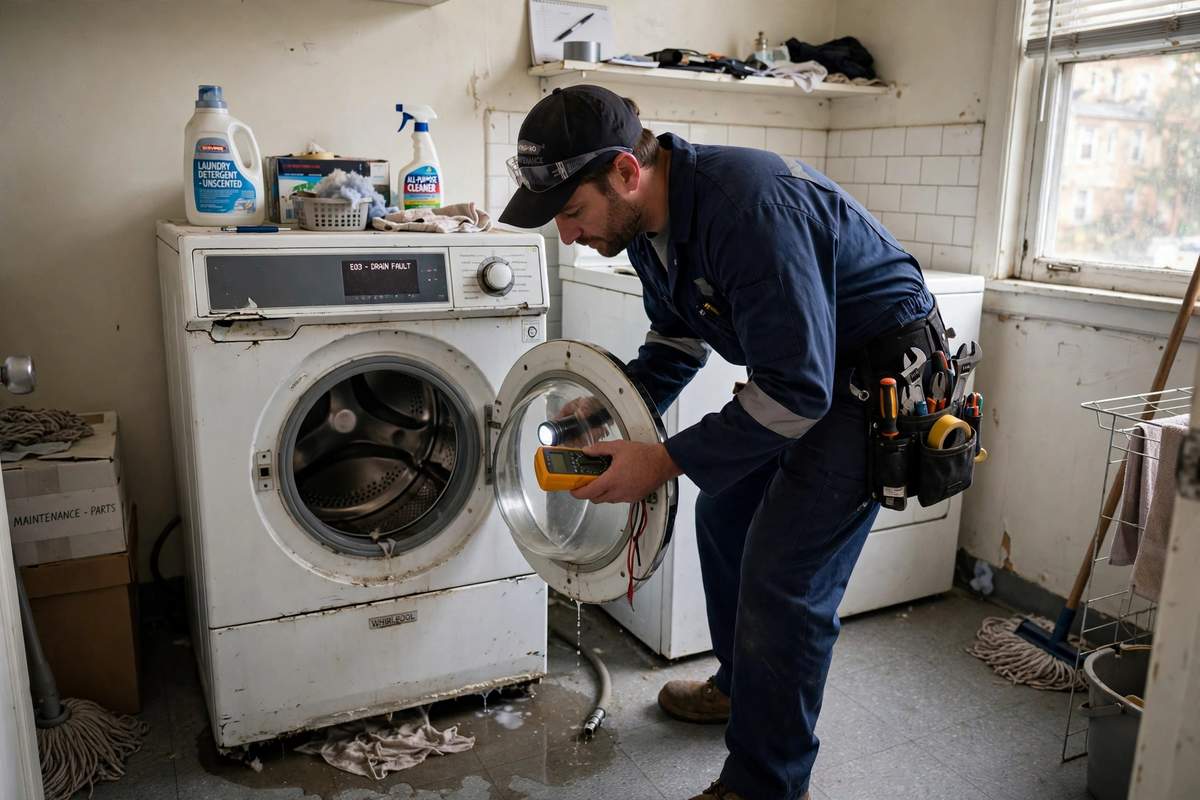
Bed bugs are every renter’s nightmare. They hide in mattresses, baseboards, and outlets, feed at night, and spread from unit to unit through walls. Professional treatment can cost hundreds or even thousands of dollars, which raises an urgent question: who pays? Bed bug responsibility is one of the most disputed issues in landlord tenant law, … Read more
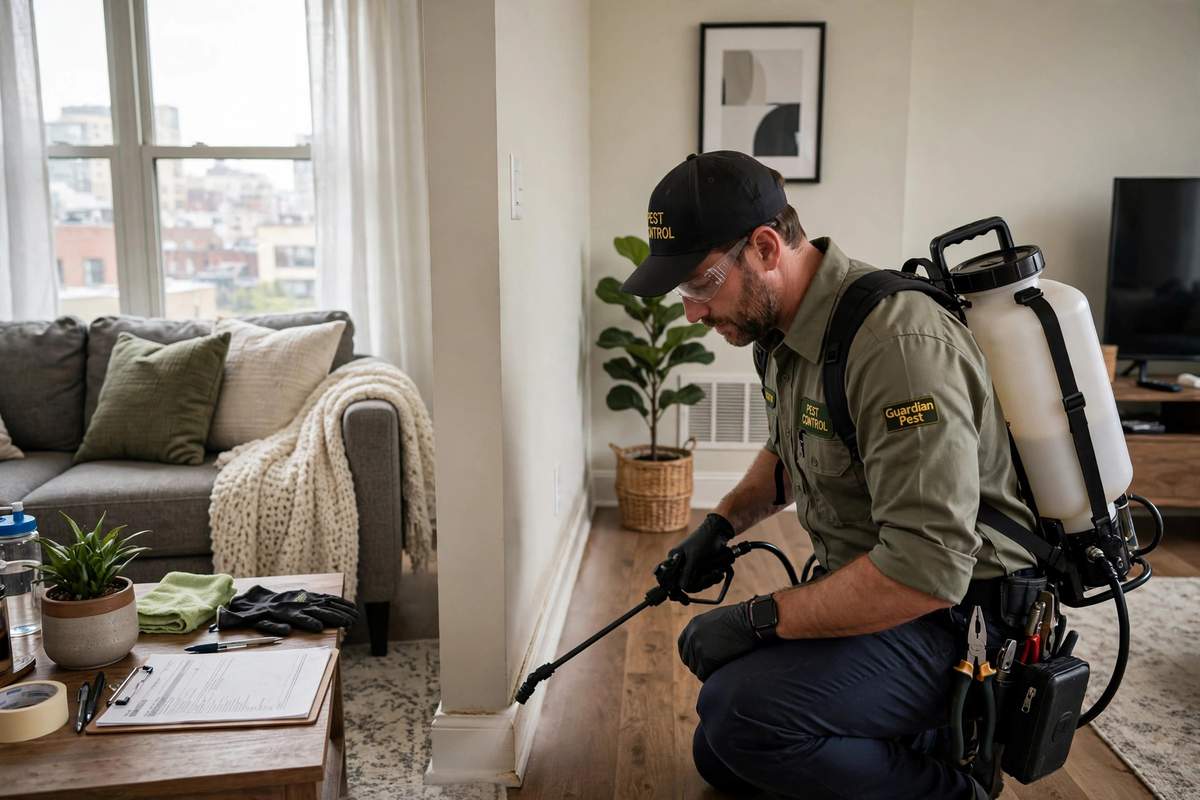
Ants in the kitchen, mice in the pantry, or roaches in the bathroom. Pests are stressful, unsanitary, and surprisingly common in rentals. The first question most tenants ask is simple: who pays the exterminator? The answer depends on your lease, your state’s laws, and what caused the infestation. In most cases the landlord pays, but … Read more