How to Terminate a Lease Agreement Legally in the U.S.
June 11, 2025
Terminating a lease agreement legally in the U.S. requires understanding the terms outlined in the lease and complying with both state laws and contractual...
Read Guide →
Browse category
185 guides
June 11, 2025
Terminating a lease agreement legally in the U.S. requires understanding the terms outlined in the lease and complying with both state laws and contractual...
Read Guide →
June 11, 2025
A Commercial Lease Agreement is a legally binding contract between a landlord and a business tenant for the rental of commercial property. Unlike residential...
Read Guide →
June 11, 2025
Writing a residential lease agreement starts with clearly identifying the parties involved—the landlord (or property owner) and the tenant. Begin the document by listing...
Read Guide →
June 11, 2025
Walk into any coffee shop where people are discussing moving, and you’ll likely hear the words “lease” and “rent agreement” thrown around almost interchangeably....
Read Guide →
June 11, 2025
A lease agreement is a written contract between a landlord and a tenant that explains the terms for renting a property. It clearly states...
Read Guide →
You called the city inspector about the broken heater. Two weeks later, your landlord handed you a notice to vacate. Coincidence? Maybe, but landlord retaliation is one of the most common and most illegal patterns in renting. When a landlord punishes you for exercising your legal rights, the law is on your side. This guide … Read more
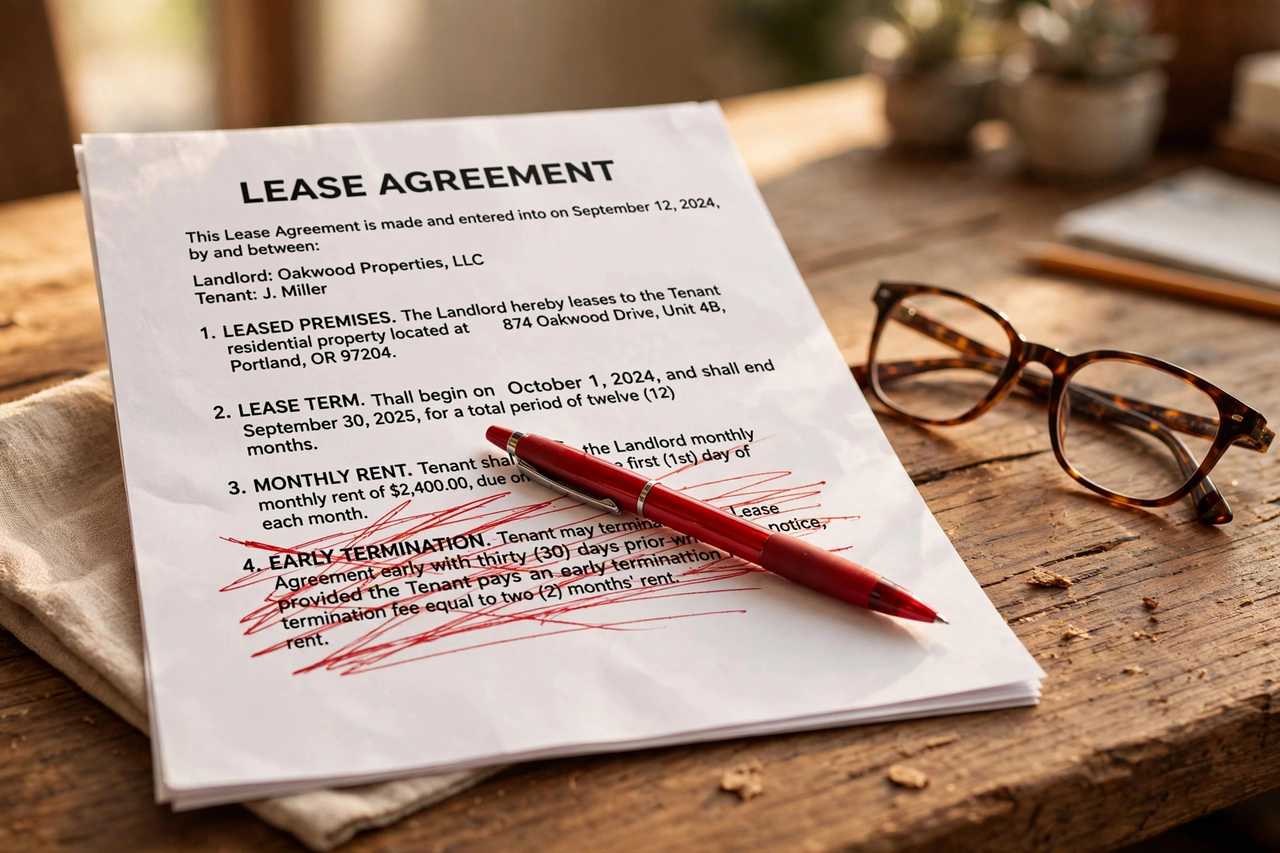
You have probably seen the phrase covenant of quiet enjoyment in a lease and skipped right past it. It sounds like legal decoration, but it is actually one of the strongest tenant rights in American rental law. It is the legal promise that you can live in your home in peace, without serious interference from … Read more
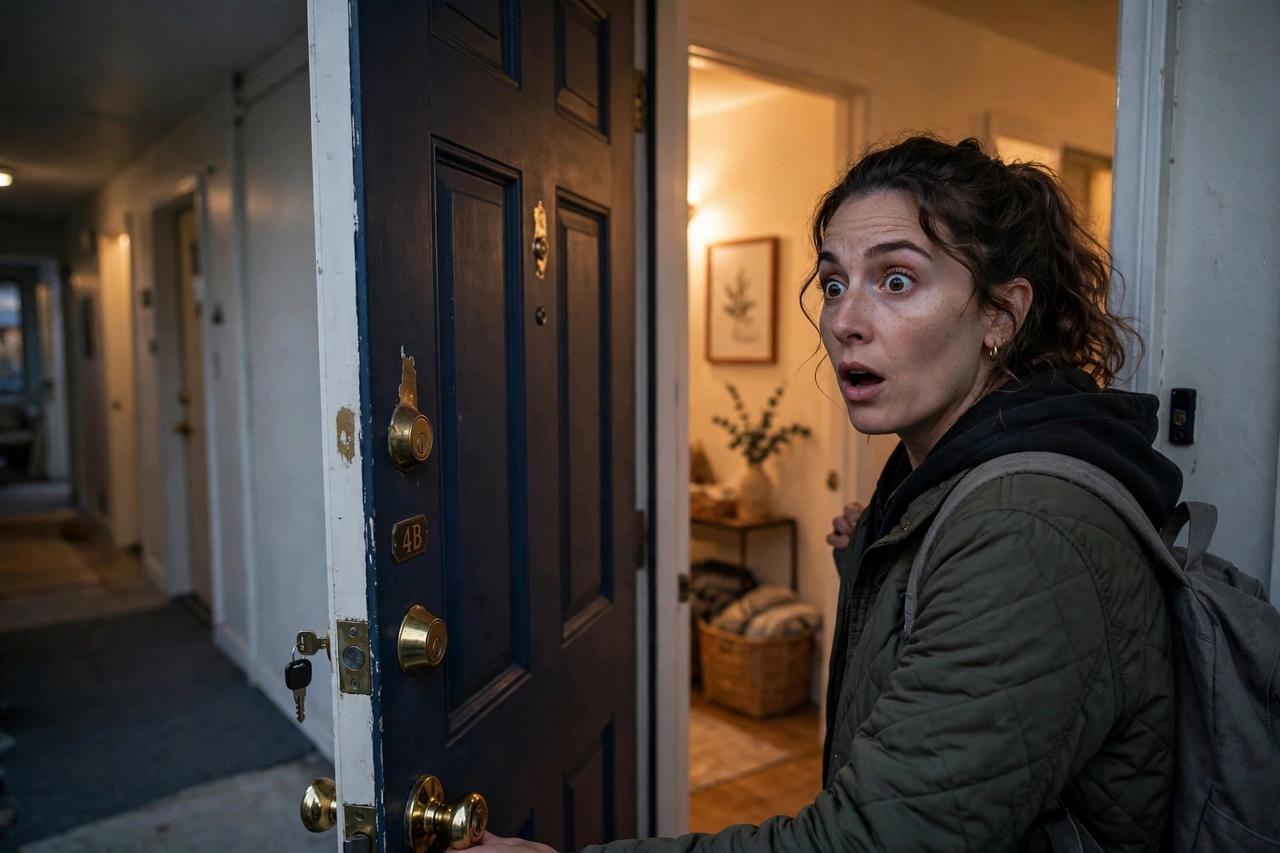
Most tenants sign a lease without reading every line, and most landlords include clauses they have copied from old forms for years. Some of those clauses are perfectly fine. Others are completely illegal, and the law treats them as if they were never written. A lease can say almost anything, but it cannot override your … Read more
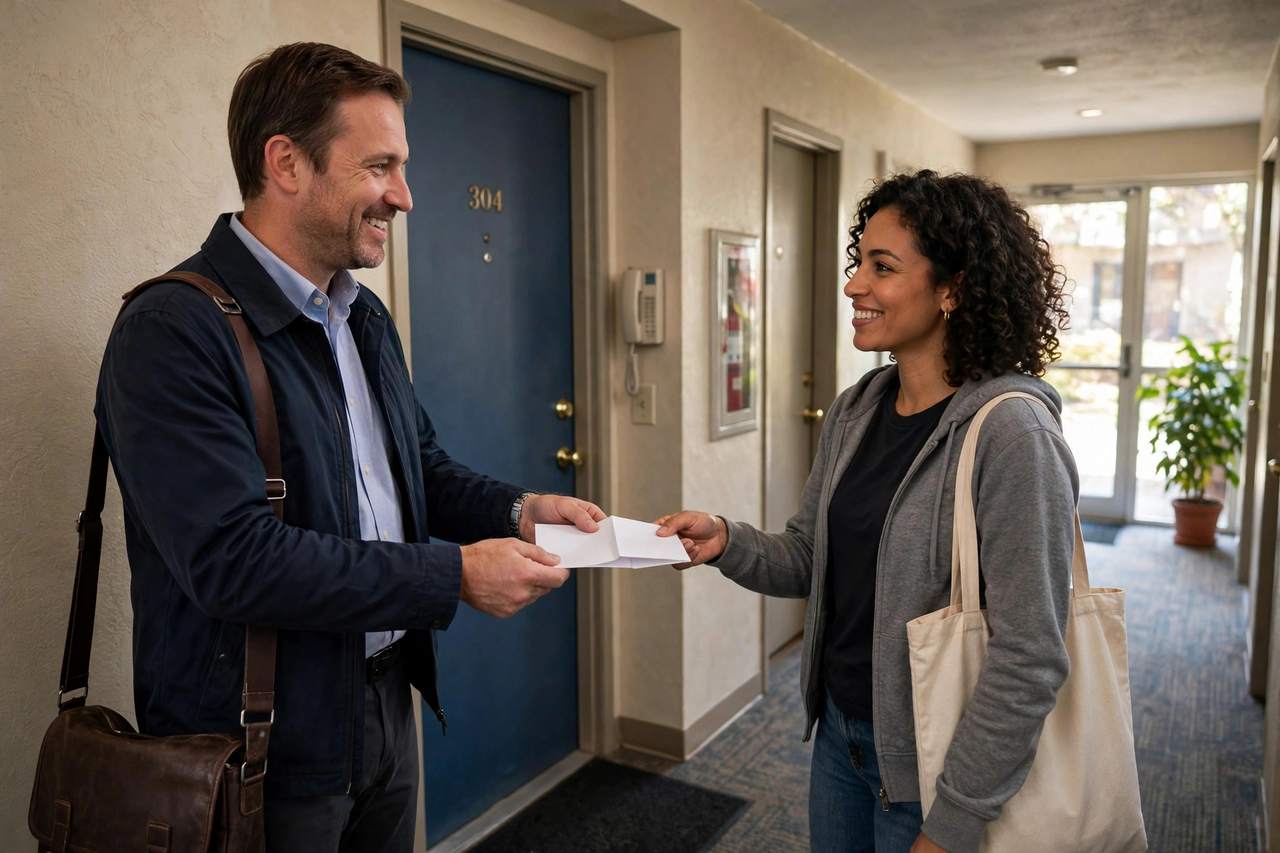
Picture this: you come home from work and find your landlord’s maintenance worker inside your apartment, or you walk out of the shower to hear a key in the front door. Nobody asked permission. Nobody gave notice. The shock turns into anger, and then into a question that millions of renters have asked: can your … Read more

Finding out your landlord walked into your apartment while you were at work is unsettling. You may wonder whether they had the right to do that, and what the law requires them to do before entering. The short answer is that in almost every state, landlords must give advance notice before entering a rented home, … Read more
Imagine your landlord shuts off the heat in January, lets sewage flood the bathroom for weeks, or simply stops making repairs that keep the home livable. You have not been formally evicted, but the conditions make it impossible to stay. The law has a name for this situation: constructive eviction. Constructive eviction is a powerful … Read more

Every residential lease in the United States carries an invisible promise: the home you rent must be fit to live in. This promise is called the implied warranty of habitability, and it exists whether or not your lease mentions it. It is one of the most important protections tenants have, yet many renters have never … Read more

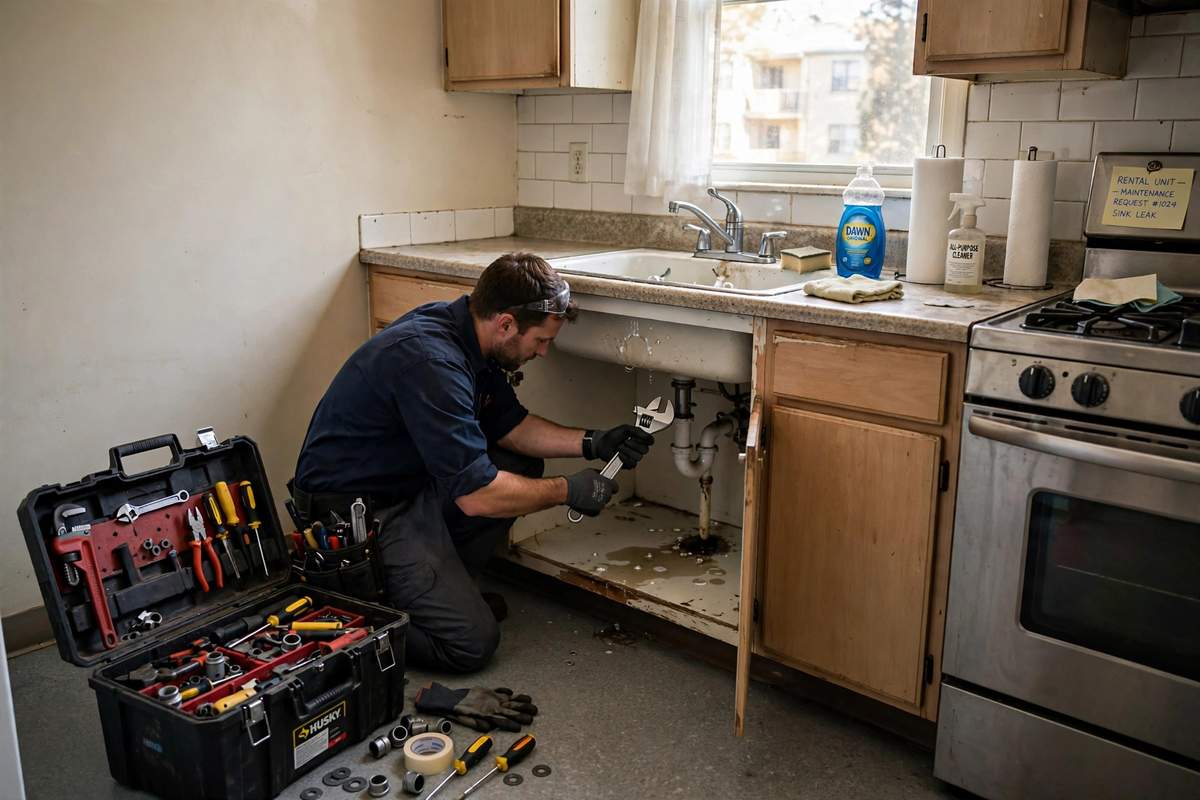
When your landlord will not fix a broken heater, a leaking pipe, or a dead refrigerator, you do not have to live with the problem or wait months for action. In many states, the law gives tenants a practical remedy called repair and deduct: you arrange the repair yourself with a licensed professional, pay for … Read more
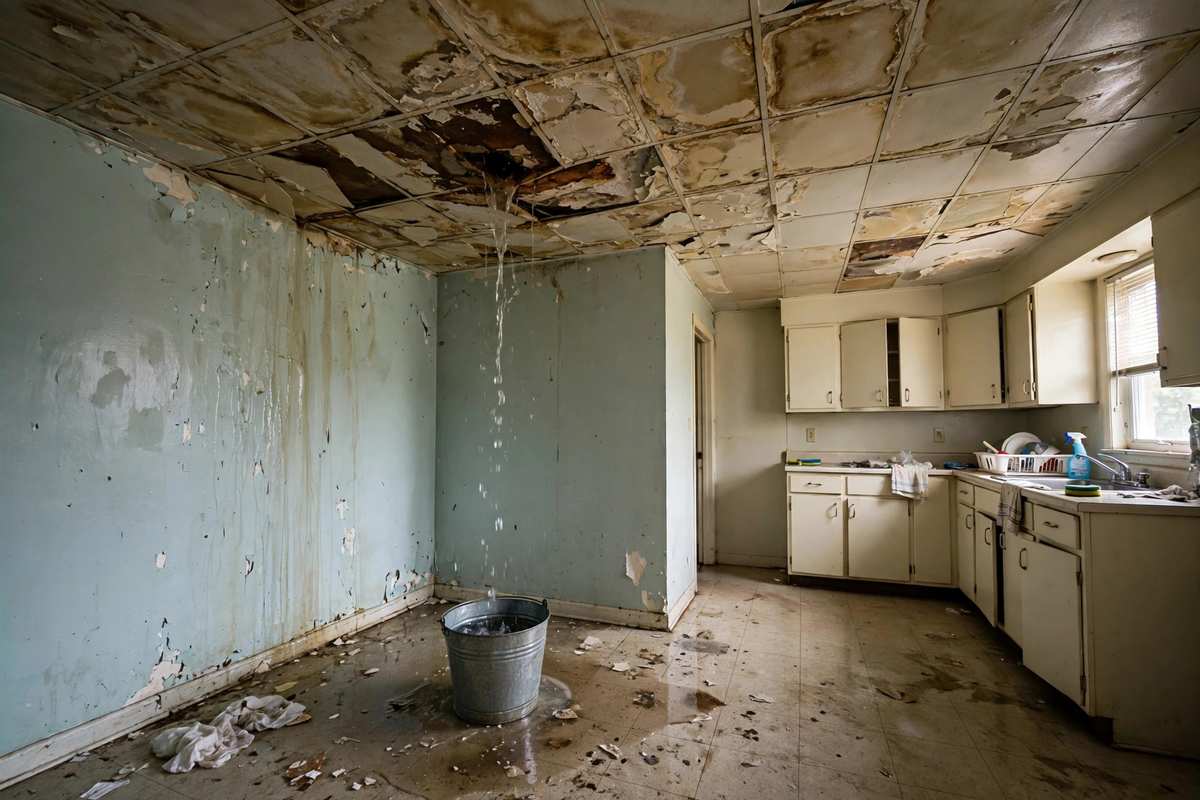
When your landlord ignores broken heating, a leaking roof, or a dead refrigerator, the temptation to stop paying rent is powerful. Why pay full price for a home that is falling apart? In some states, withholding rent is a legal remedy for unmade repairs. In others, it is a fast track to eviction. The difference … Read more

Not every repair in a rental is the landlord’s job. While landlords handle major systems and supplied appliances, tenants are expected to take care of small, everyday maintenance on their own. Knowing where that line sits saves you from waiting weeks for a fix you could handle in five minutes, and it keeps you from … Read more