
Absolute Net Lease: What Tenants Should Know
October 12, 2026
Commercial leases come in many flavors, and the differences decide who pays for what. Among them, the absolute net lease stands out as the...
Read Guide →
Browse category
184 guides
October 12, 2026
Commercial leases come in many flavors, and the differences decide who pays for what. Among them, the absolute net lease stands out as the...
Read Guide →
October 12, 2026
Imagine signing a commercial lease and discovering that your first three months of rent are completely free. That is not a fantasy or a...
Read Guide →
October 11, 2026
Few tenants thought much about force majeure clauses before 2020. Then a global pandemic shuttered businesses for months, and suddenly everyone wanted to know...
Read Guide →
October 11, 2026
Missing rent is the most common trigger, but a commercial lease default can arise in many ways. Unauthorized alterations, unpermitted subletting, lapsed insurance, or...
Read Guide →
October 11, 2026
Every lease eventually ends, but not every ending is clean. When a tenant needs out before the term expires, or when both sides simply...
Read Guide →
October 11, 2026
Imagine moving into a commercial space designed from the ground up for your exact business. The loading docks sit where you need them, the...
Read Guide →
October 11, 2026
Most commercial leases give a tenant the right to use a building that already exists. A ground lease flips that idea on its head....
Read Guide →
October 11, 2026
Rooftop solar can cut your electricity bill dramatically, but the upfront cost of buying panels stops many homeowners. Two popular alternatives let you go...
Read Guide →
October 11, 2026
Corporations use leases for far more than office space and company cars. For large real estate and equipment deals, finance teams sometimes use an...
Read Guide →
October 11, 2026
Imagine this: you lease a new car for $35,000, and six months later it is totaled in an accident. Your auto insurance pays out...
Read Guide →
October 11, 2026
Most car leases work the same way. You make a down payment, then pay every month for two or three years. But there is...
Read Guide →
October 11, 2026
You have driven your leased car for three years, kept up with every payment, and now the lease is ending. You return the keys...
Read Guide →
October 11, 2026
Moving out is chaotic. Boxes everywhere, the truck idling outside, and a landlord inspection looming. In that chaos, cleaning is the task most tenants...
Read Guide →
October 11, 2026
You hand your landlord $2,000 as a security deposit. They hold it for three years. In that time, the money could have earned interest...
Read Guide →
October 11, 2026
The security deposit is often the biggest check a tenant writes all year. One or two months of rent, due upfront, on top of...
Read Guide →
Rent is due on the 1st, but the money is not in your account until the 3rd. Most tenants have been there. The question is what happens next: a small fee, a stern notice, or the start of an eviction case. Late rent fees sit at the center of that question, and the rules vary … Read more
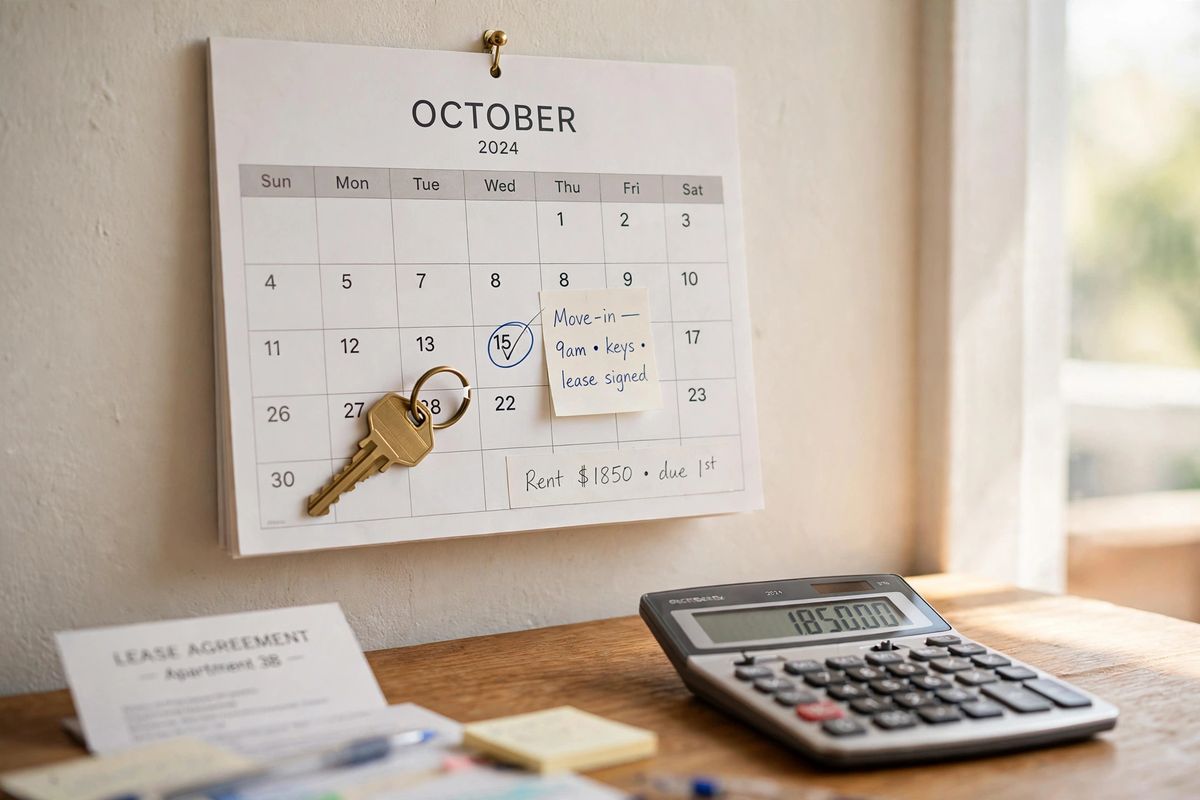
Moving into a new apartment on the 1st of the month is convenient, but life rarely works out that neatly. Maybe your lease starts on the 14th, or your closing date lands on the 22nd. When your move-in or move-out date falls in the middle of a month, you should not pay a full month … Read more

Squatter’s rights sound like a legal myth, but they rest on a real doctrine called adverse possession. In every U.S. state, a person who occupies someone else’s property openly and continuously for a long enough period can, in theory, gain legal ownership of it. Successful claims are rare, and the requirements are strict. But the … Read more

Eviction is expensive, stressful, and slow. For landlords, it can mean months of lost rent and thousands in legal fees. For tenants, it means a court record that makes future renting much harder. Cash for keys offers both sides a way out. Under a cash-for-keys agreement, the landlord pays the tenant a negotiated sum to … Read more
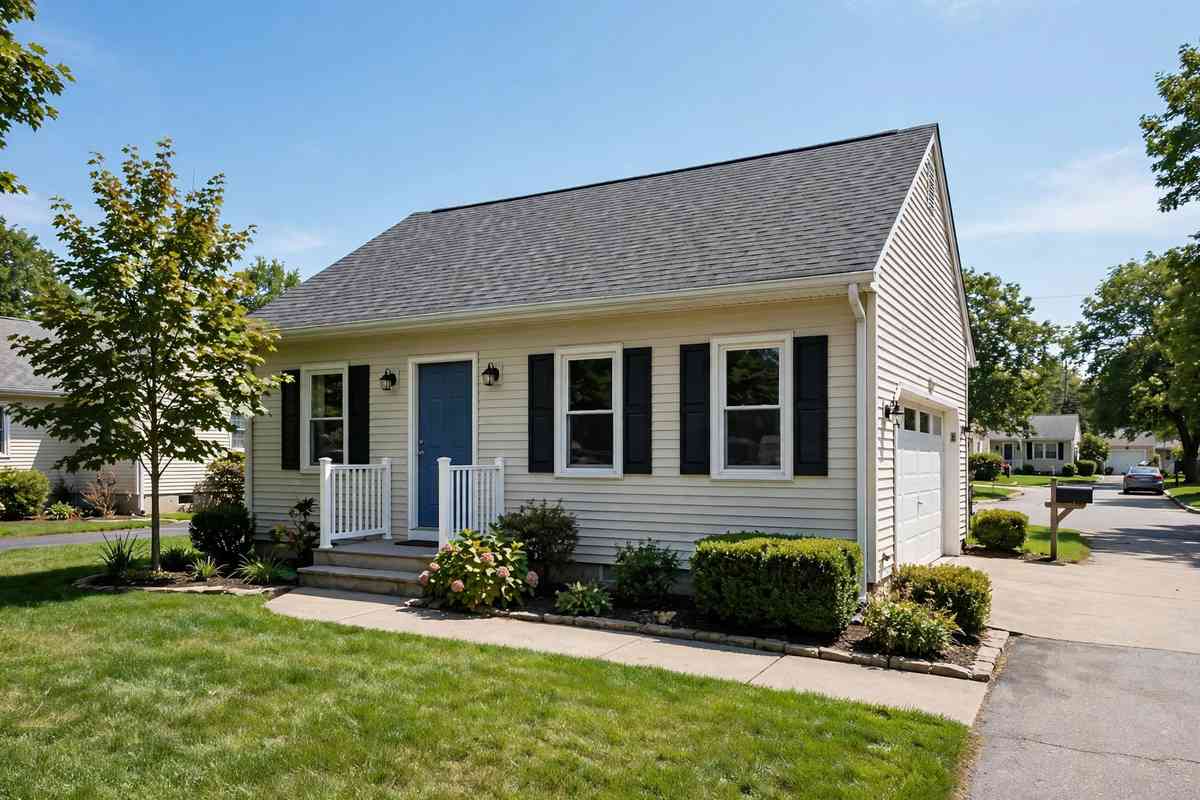
The Housing Choice Voucher Program, commonly called Section 8, helps more than two million American households afford rental housing. It is the federal government’s largest rental assistance program, and it works through a partnership between tenants, landlords, and local public housing agencies. Whether you are a renter hoping to qualify or a landlord considering whether … Read more

Rent control and rent stabilization sound like the same thing, and many people use the terms interchangeably. In the United States, though, they describe two different systems with different rules, different histories, and very different consequences for tenants and landlords. Understanding which system applies to your apartment matters. It determines how much your rent can … Read more

Common area maintenance charges are one of the most misunderstood line items in a commercial lease. Every year, tenants across the United States pay their CAM bills without question, even though industry experience shows that a meaningful share of those bills contain errors that favor the landlord. A CAM audit is a systematic review of … Read more

Opening a specialty coffee shop in a shopping center, only to watch the landlord lease the space next door to a competing coffee chain, is a nightmare scenario for retail tenants. Exclusivity clauses exist to prevent exactly that. They restrict the landlord from leasing space in the same property to businesses that compete directly with … Read more

Imagine signing a ten-year lease for the perfect office suite, building it out to your specifications, then receiving a letter from your landlord: you are being moved to a different floor. Many tenants agree to relocation clauses without realizing what they have conceded. A relocation clause allows the landlord to move your business to different … Read more

Most commercial tenants assume that as long as they pay rent, they can run their business however they like. In retail leases, that assumption is often wrong. Many shopping center leases include a continuous operation clause that requires you to keep your store open during specified hours, and closing your doors can trigger serious penalties. … Read more