Understanding Security Deposits in Lease Agreements
June 11, 2025
A security deposit in a lease agreement is a sum of money paid by the tenant to the landlord before moving into a rental...
Read Guide →
Browse category
190 guides
June 11, 2025
A security deposit in a lease agreement is a sum of money paid by the tenant to the landlord before moving into a rental...
Read Guide →
June 11, 2025
When choosing between a month-to-month lease and a fixed-term lease, it’s important to weigh the pros and cons of each based on your personal...
Read Guide →
June 11, 2025
Renting a home involves more than just getting a set of keys and paying monthly rent. When you sign that lease agreement, you enter...
Read Guide →
June 11, 2025
Life happens. Circumstances change, sometimes unexpectedly, during the course of a lease term. Perhaps a tenant needs to add a roommate after their original...
Read Guide →
June 11, 2025
Stepping into the role of a landlord involves much more than simply collecting monthly rent checks and holding a spare set of keys. Owning...
Read Guide →
June 11, 2025
Terminating a lease agreement legally in the U.S. requires understanding the terms outlined in the lease and complying with both state laws and contractual...
Read Guide →
June 11, 2025
A Commercial Lease Agreement is a legally binding contract between a landlord and a business tenant for the rental of commercial property. Unlike residential...
Read Guide →
June 11, 2025
Writing a residential lease agreement starts with clearly identifying the parties involved—the landlord (or property owner) and the tenant. Begin the document by listing...
Read Guide →
June 11, 2025
Walk into any coffee shop where people are discussing moving, and you’ll likely hear the words “lease” and “rent agreement” thrown around almost interchangeably....
Read Guide →
June 11, 2025
A lease agreement is a written contract between a landlord and a tenant that explains the terms for renting a property. It clearly states...
Read Guide →
Imagine this: you lease a new car for $35,000, and six months later it is totaled in an accident. Your auto insurance pays out $28,000, which is the car’s current market value. But you still owe the leasing company $32,000. That $4,000 gap comes out of your pocket, unless you have gap insurance. This scenario … Read more

Most car leases work the same way. You make a down payment, then pay every month for two or three years. But there is another option that flips this structure on its head: the one-pay lease, where you pay the entire lease amount in a single upfront payment. One-pay leases are not new, but they … Read more

You have driven your leased car for three years, kept up with every payment, and now the lease is ending. You return the keys expecting a clean goodbye, and then a bill arrives for several hundred dollars. That bill is the disposition fee, and it catches many lessees by surprise. A disposition fee is a … Read more

Moving out is chaotic. Boxes everywhere, the truck idling outside, and a landlord inspection looming. In that chaos, cleaning is the task most tenants skimp on, and it is the one most likely to cost them real money. Landlords deduct cleaning costs from security deposits every day, often $200 to $500 for a unit that … Read more

You hand your landlord $2,000 as a security deposit. They hold it for three years. In that time, the money could have earned interest in a savings account. So here is a fair question: does your landlord owe you interest on your deposit when you move out? The answer depends entirely on where you live. … Read more

The security deposit is often the biggest check a tenant writes all year. One or two months of rent, due upfront, on top of first month’s rent and moving costs. For many renters, that lump sum is the difference between getting the apartment and staying stuck where they are. Security deposit alternatives exist to solve … Read more

Rent is due on the 1st, but the money is not in your account until the 3rd. Most tenants have been there. The question is what happens next: a small fee, a stern notice, or the start of an eviction case. Late rent fees sit at the center of that question, and the rules vary … Read more
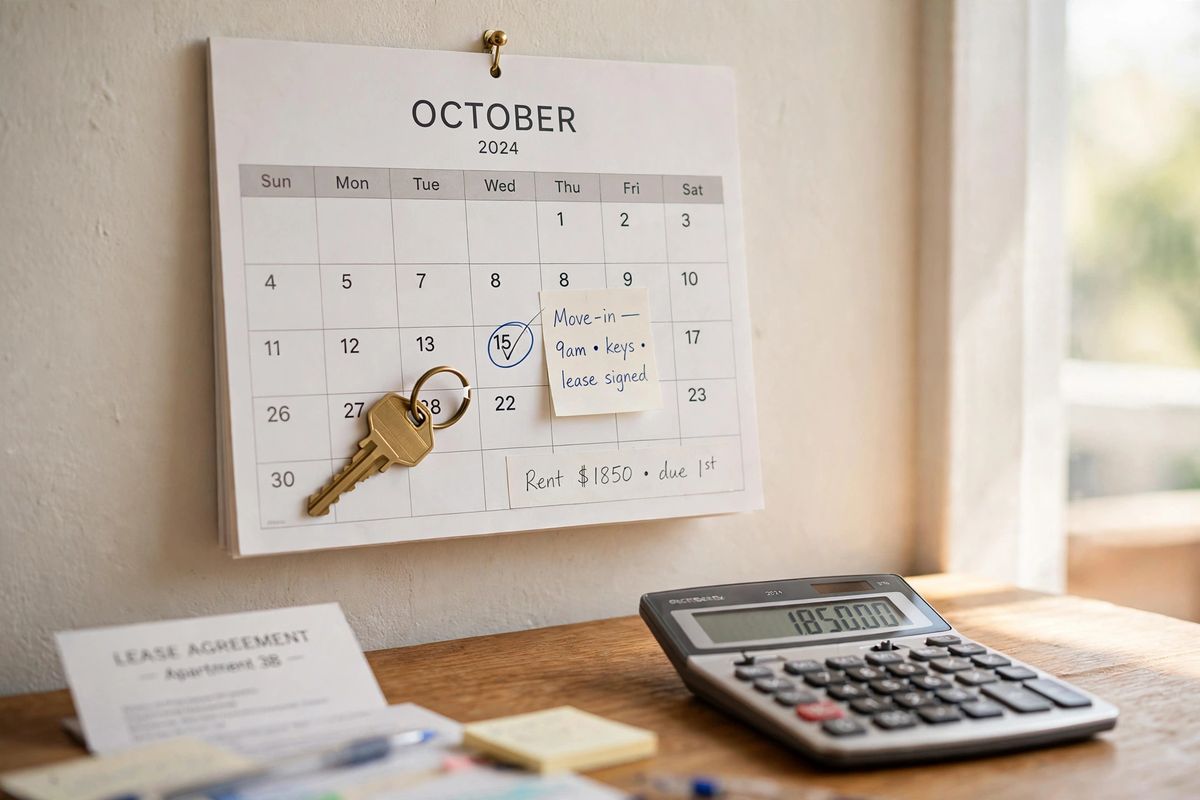
Moving into a new apartment on the 1st of the month is convenient, but life rarely works out that neatly. Maybe your lease starts on the 14th, or your closing date lands on the 22nd. When your move-in or move-out date falls in the middle of a month, you should not pay a full month … Read more

Squatter’s rights sound like a legal myth, but they rest on a real doctrine called adverse possession. In every U.S. state, a person who occupies someone else’s property openly and continuously for a long enough period can, in theory, gain legal ownership of it. Successful claims are rare, and the requirements are strict. But the … Read more

Eviction is expensive, stressful, and slow. For landlords, it can mean months of lost rent and thousands in legal fees. For tenants, it means a court record that makes future renting much harder. Cash for keys offers both sides a way out. Under a cash-for-keys agreement, the landlord pays the tenant a negotiated sum to … Read more