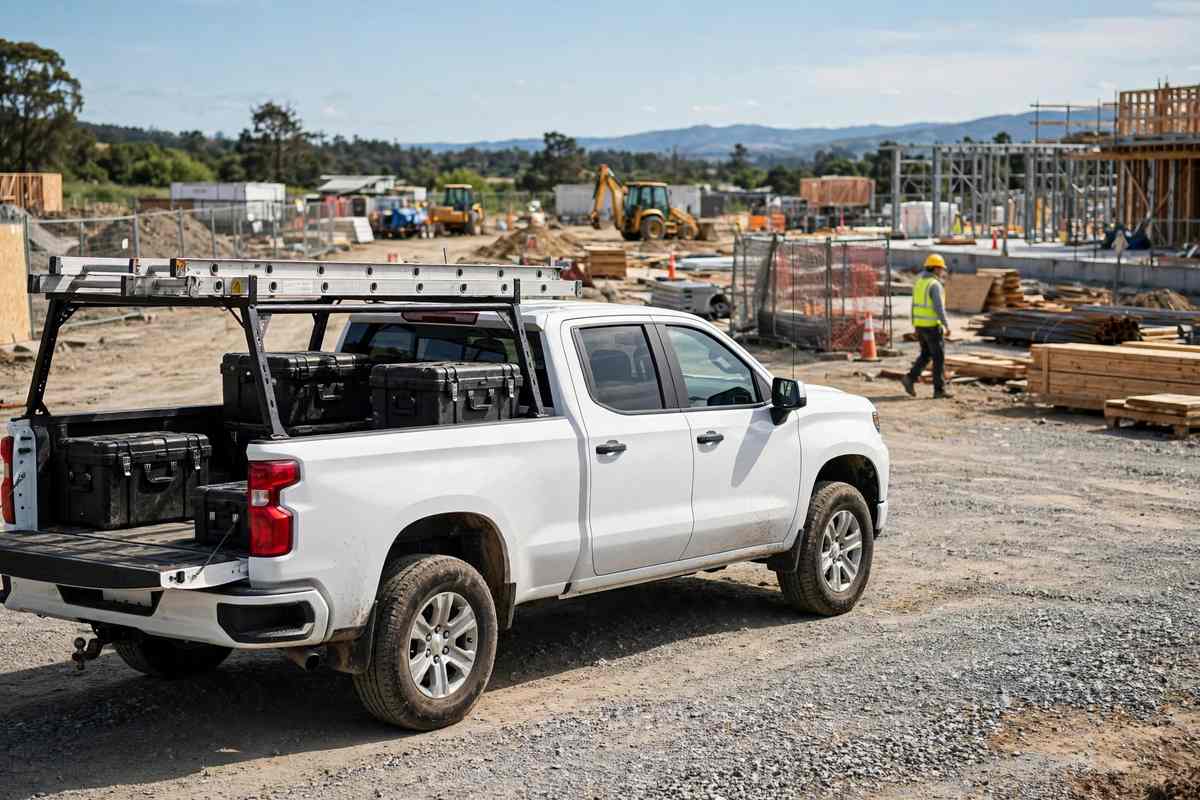
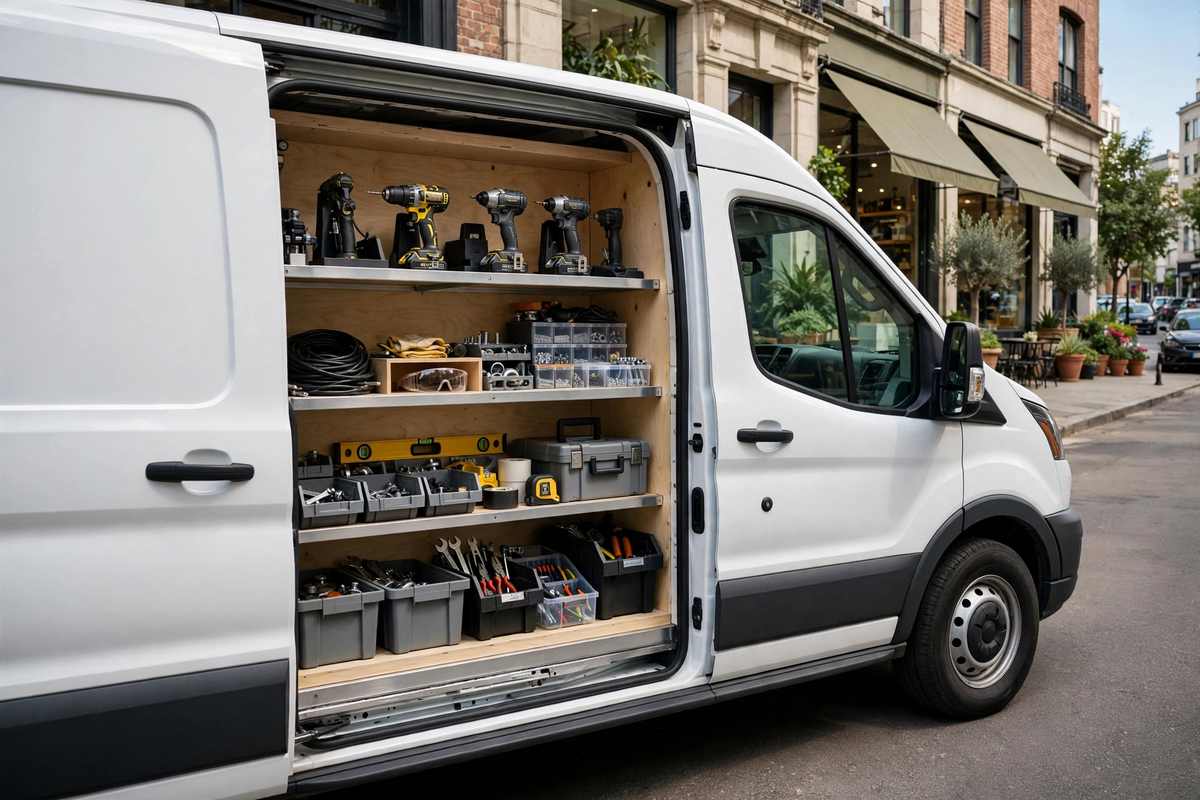
When a business outgrows one or two vehicles, the question shifts from which truck to lease to how to manage vehicles as a system. Fleet leasing is the answer most growing small businesses land on: a structured way to acquire, maintain, and replace multiple vehicles under terms designed for business use rather than consumer convenience.
Fleet leasing is not just several individual leases signed at once. It is a different product with different economics, different flexibility, and different management demands. This guide explains how fleet leasing works for small businesses, when it makes sense, what the structures look like, and how to avoid the mistakes that turn a fleet program into a burden.
What Counts as a Fleet Lease
The definition varies by lessor, but most fleet programs start somewhere between three and ten vehicles. Below that threshold, you are usually signing individual commercial leases, which is fine. Above it, fleet programs unlock volume pricing, standardized terms, and management tools that individual leases do not offer.
The core idea is a master agreement. Instead of negotiating each vehicle separately, you sign one framework agreement with the lessor, then add vehicles to it over time as you need them. Each vehicle gets its own schedule under that master agreement, but the terms, pricing structure, and end of lease procedures are consistent. This saves enormous administrative time as the fleet grows.
Small businesses sometimes assume fleet leasing is only for companies with hundreds of vehicles. That is not true anymore. Many lessors and manufacturers run small fleet programs specifically aimed at businesses with five to twenty vehicles, with simplified paperwork and dedicated account support. If you are running three or more business vehicles, it is worth asking.
How Fleet Leasing Works in Practice
A typical small business fleet lease starts with a conversation about your operation: what the vehicles do, how many miles they run, how long you keep them, and what your cash flow looks like. The lessor then proposes a structure, usually built around one of two models.
Closed End Fleet Leases
Closed end leases work like consumer leases. The lessor sets a residual value, you pay the depreciation plus a finance charge, and at the end you return the vehicles, subject to mileage and condition terms. Your risk is limited: if the used vehicle market drops, that is the lessor’s problem, not yours. This structure suits businesses that want predictable costs and clean replacement cycles.
Open End Leases and TRAC Structures
Open end leases, often structured as Terminal Rental Adjustment Clause (TRAC) leases, work differently. There is no guaranteed residual. At the end of the term, the vehicle is sold, and you settle the difference between the sale price and the predetermined book value. If it sells for more, you get the surplus. If it sells for less, you pay the shortfall.
TRAC leases can produce lower monthly payments because the lessor carries less residual risk. But they transfer market risk to you, which means a downturn in used vehicle values lands on your balance sheet. For small businesses without a finance team modeling residual risk, closed end structures are usually the safer choice. Understand the tradeoff before chasing the lower payment.
The Economics: Where Fleet Leasing Saves Money
Fleet programs save money in four places. First, volume pricing. Lessors and dealers discount more aggressively when they are writing five vehicles instead of one, and manufacturers run fleet incentive programs with per vehicle rebates that do not exist on retail deals.
Second, standardized acquisition. One master agreement means one negotiation, one set of terms to understand, and one relationship to manage. The soft cost savings in owner and staff time are real, especially for businesses where the owner has been personally negotiating every vehicle.
Third, maintenance management. Many fleet programs bundle maintenance, and even when they do not, running identical or similar vehicles simplifies parts, servicing, and driver familiarity. A fleet of five identical vans is cheaper to maintain than five different vehicles bought opportunistically.
Fourth, replacement discipline. Fleet programs encourage replacing vehicles on schedule, before repair costs spike and reliability drops. Businesses that buy vehicles outright often keep them too long, paying in breakdowns, downtime, and fuel inefficiency what they saved by avoiding payments. A structured replacement cycle prevents that drift.
Mileage, Wear, and the Realities of Fleet Use
Fleet vehicles work hard, and the lease terms have to reflect that honestly. This is the area where small business fleet programs most often go wrong: the owner signs consumer style mileage allowances for vehicles that will run double those miles, then eats thousands in overage charges.
Build your mileage allowances from real data. If you have been running the vehicles already, use your actual miles. If these are new routes, estimate conservatively and add a cushion. High mileage lease structures exist precisely for this purpose, and understanding how high mileage leases work will help you evaluate whether your lessor’s proposal is fair.
Wear standards need the same honesty. A fleet of service vans will not return in showroom condition, and pretending otherwise just defers the argument to lease end. Negotiate fleet specific wear guidelines upfront, consider wear waiver coverage for the hardest used vehicles, and train drivers on the basics: report damage promptly, keep interiors clean, and do not treat a leased van like a personal beater.
Tax Treatment of Fleet Leases
The tax logic of fleet leasing extends the logic of a single business lease. Payments on vehicles used for business are generally deductible as ordinary business expenses in proportion to business use. Across a fleet, that produces a steady, predictable annual deduction that is simple to administer.
Two complications deserve attention. First, mixed use vehicles. If some fleet vehicles double as personal transportation for owners or employees, the personal use portion needs to be tracked and excluded, and personal use of a company vehicle can create taxable fringe benefit issues for employees. Clean policies and mileage logs prevent headaches.
Second, the luxury and weight rules apply per vehicle, not per fleet. Expensive vehicles in the fleet can trigger the included amount rules that trim your deductions, while heavy trucks and vans may qualify for more favorable treatment. Model the fleet’s tax position vehicle by vehicle with your accountant rather than assuming one rule covers everything. The general framework is explained in the business vehicle lease tax deduction guide.
Managing a Small Fleet Without a Fleet Manager
Most small businesses cannot justify a dedicated fleet manager, which means the owner or an office manager handles vehicles alongside everything else. A few systems make this manageable.
Centralize the paperwork. Keep every lease schedule, insurance card, registration, and maintenance record in one place, physical or digital. When a driver gets pulled over or a vehicle needs service, nobody should be hunting through email for documents.
Schedule maintenance by the calendar, not by memory. Missed oil changes and overdue inspections void warranty coverage and create lease end disputes about neglect. A simple shared calendar with reminders per vehicle costs nothing and prevents the most common fleet management failures.
Track costs per vehicle. Fuel, maintenance, insurance, and lease payments per vehicle per month tell you which vehicles are earning their keep and which are problems. When a vehicle’s monthly cost drifts well above its peers, that is your signal to investigate, whether the cause is a lead footed driver, a lemon, or a route that needs rethinking.
When Fleet Leasing Does Not Make Sense
Fleet leasing is not universal. If your vehicles run extremely high miles, take heavy abuse, or need permanent specialized upfits, owning is usually cheaper. If your business is shrinking or volatile, long term fleet commitments add risk. And if you have the cash and the discipline to buy vehicles outright and maintain them well, ownership can absolutely win on total cost.
The decision also depends on your growth stage. A business adding its third vehicle is in a different position from one running fifteen. Start with individual commercial leases or a small master agreement, and graduate to a fuller fleet program when the vehicle count and administrative burden justify it. There is no prize for adopting fleet structures before you need them.
If your fleet centers on vans, the vehicle specific guidance in the complete van leasing guide for small business pairs well with this overview. And if you are still deciding on the first truck, work truck leasing for small business owners covers the single vehicle decision in depth.
The Bottom Line on Fleet Leasing for Small Businesses
Fleet leasing gives a growing small business volume pricing, consistent terms, predictable costs, and disciplined replacement cycles, all under one master agreement. It works best when mileage allowances reflect reality, wear standards are negotiated upfront, and someone owns the administrative basics. Start small, keep clean records, and let the program grow with the business. Done right, fleet leasing turns vehicles from a recurring headache into a managed, predictable part of the operation.