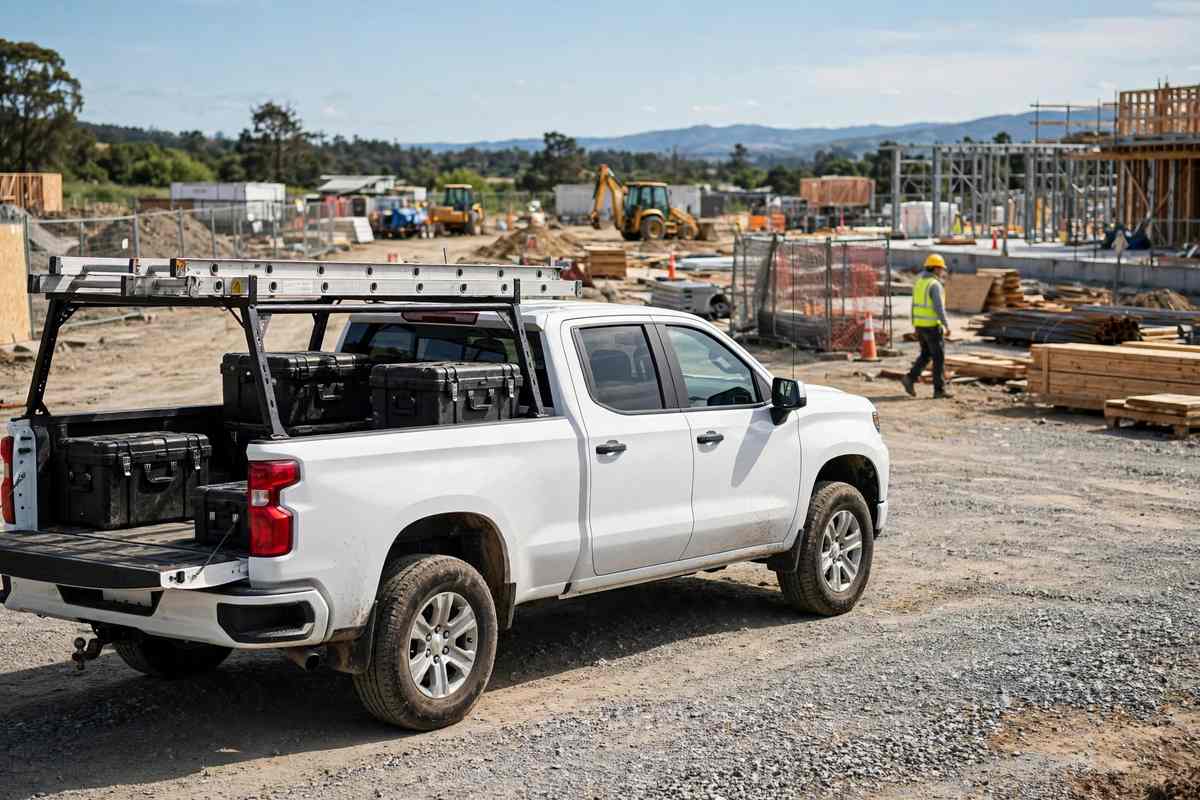
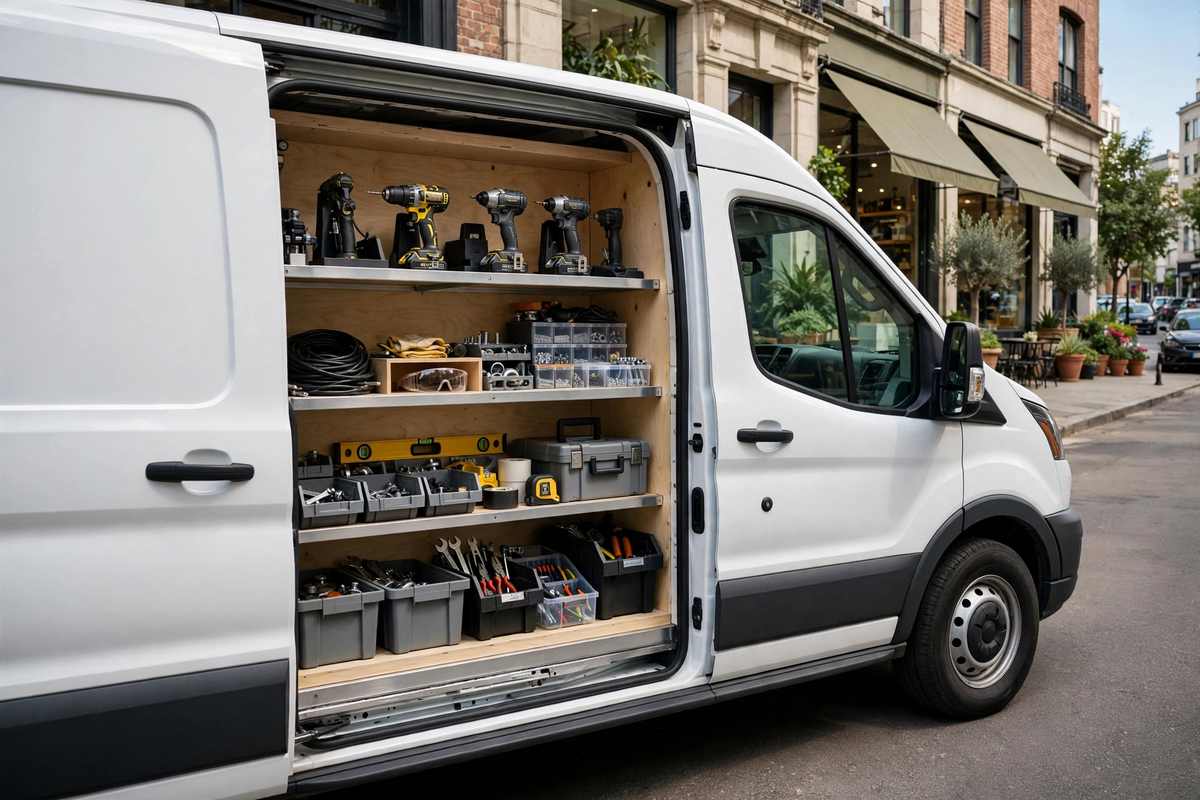
For a small business owner, a work truck is not a perk. It is a tool that hauls equipment, pulls trailers, visits job sites, and sometimes serves as a rolling billboard. How you acquire that truck shapes your cash flow, your taxes, and your flexibility, which is why so many contractors, landscapers, tradespeople, and delivery operators are asking whether leasing makes more sense than buying.
The short answer is that leasing a work truck can be a strong move for a small business, but the math works differently than a personal lease. Business use changes the tax treatment, the mileage expectations, and the way you should evaluate the deal. This guide walks through how work truck leasing works for small business owners, where the tax advantages come from, and how to avoid the traps that turn a useful tool into a costly contract.
Why Businesses Lease Work Trucks
Cash flow is the first reason. A lease typically requires far less upfront than a purchase loan, and the monthly payments are usually lower. For a business that needs two or three trucks on the road, that difference can mean keeping tens of thousands of dollars working in the business instead of tied up in vehicle down payments.
Predictability is the second reason. Lease payments are fixed, the truck is under warranty for most of the term, and maintenance costs stay low and easy to budget. For an owner operator who cannot afford a surprise five thousand dollar transmission bill during a slow month, that predictability has real value.
Fleet freshness is the third reason, and it matters more than many owners expect. A three or four year old truck with your company logo on it still looks professional. An eight year old truck with rust spots and worn seats sends a different message to customers. If you want a fuller picture of the pickup specific details, start with what to know first about leasing a pickup truck before comparing business options.
The Tax Treatment That Makes Business Leasing Attractive
Here is where business leasing pulls ahead of personal leasing. When a truck is used for business, lease payments are generally deductible as an ordinary business expense, in proportion to the business use of the vehicle. If the truck is used one hundred percent for business, the full payment is generally deductible. If it is split with personal use, you deduct the business percentage.
This differs from buying in an important way. A purchased vehicle gets depreciated over several years, while lease payments are deducted as you pay them. For many small businesses, deducting the full payment each year is simpler and produces steadier tax benefits than tracking depreciation schedules. A full breakdown of the rules is worth reading in how business car lease tax deductions work.
There is one caveat that surprises business owners: the luxury limits. The IRS caps deductions on vehicles above a certain weight and price threshold, and expensive trucks can trigger the “luxury vehicle” rules with their included amount that reduces your deduction. Heavy trucks over six thousand pounds gross vehicle weight often get more favorable treatment under Section 179, but the rules are fiddly enough that you should confirm your plan with your accountant before signing.
Lease vs. Buy for a Work Truck
The lease or buy question comes down to three factors: miles, modifications, and holding period. If your trucks run high miles every year, haul heavy loads daily, and get upfitted with racks, bins, ladder racks, or commercial bodies, buying usually wins. You avoid mileage overage charges, wear disputes, and modification restrictions, and you keep the truck long enough that ownership costs beat repeated lease cycles.
If your trucks run moderate miles, stay mostly in stock condition, and you like replacing them every three to four years, leasing usually wins. You get lower payments, warranty coverage, and a clean replacement cycle. Many service businesses fall into this camp: plumbers, electricians, and HVAC techs whose trucks carry tools but do not get beaten up like construction fleet vehicles.
For a side by side comparison of the tax angles on both sides, see the business lease vs. buy tax write off guide. Running both scenarios with your actual numbers beats any rule of thumb.
Commercial vs. Personal Leases for a Business Truck
Small business owners often lease in their own name and use the truck for business. That works, but it is not always optimal. A commercial lease, written in the business’s name, can offer higher mileage allowances, more flexible upfit terms, and fleet style pricing if you run multiple vehicles. It also keeps the obligation on the business’s books rather than your personal credit.
The catch is qualification. Lenders want to see an established business with revenue history before writing commercial leases. A brand new sole proprietorship may not qualify, in which case leasing personally and deducting the business portion is the practical path. Either way, keep a mileage log. The IRS expects documentation of business use, and a sloppy log is the most common reason legitimate deductions get disallowed.
Upfitting a Leased Work Truck
Upfitting is the area where work truck leases need the most care. Ladder racks, toolboxes, bed slides, and shelving are the reason the truck exists, but lease contracts treat permanent modifications as the lessee’s problem. Before you sign, negotiate the upfit terms explicitly. Get written permission for the specific additions you plan, and clarify who pays for removal and any restoration at lease end.
Some commercial lessors offer upfit packages rolled into the lease payment, which can be the cleanest option. The upfit is documented, approved, and sometimes even included in the residual calculation. If your lessor does not offer this, removable bolt on equipment that leaves no damage is your safest route.
Mileage and Wear on a Working Lease
Work trucks live harder lives than commuter cars, and the lease has to reflect that honestly. This is the area where small business fleet programs most often go wrong: the owner signs consumer style mileage allowances for vehicles that will run double those miles, then eats thousands in overage charges.
Build your mileage allowances from real data. If you have been running the vehicles already, use your actual miles. If these are new routes, estimate conservatively and add a cushion. High mileage lease structures exist precisely for this purpose, and understanding how high mileage leases work will help you evaluate whether your lessor’s proposal is fair.
Wear standards need the same honesty. A fleet of service vans will not return in showroom condition, and pretending otherwise just defers the argument to lease end. Negotiate fleet specific wear guidelines upfront, consider wear waiver coverage for the hardest used vehicles, and train drivers on the basics: report damage promptly, keep interiors clean, and do not treat a leased van like a personal beater.
End of Lease Options for a Business Truck
When the lease term ends, you generally have three options: return the truck, buy it out, or lease a replacement. Returns work best when the truck is in good shape and you are ready for a new one. Buyouts make sense when the truck has been reliable, the residual is below market value, and you want to keep a known vehicle in the fleet. Many businesses buy out one strong truck and lease its replacement, getting the best of both worlds.
Plan the decision three to six months before the term ends. Check the truck’s market value against the contract residual, inspect it the way the lessor will, and price out the replacement options. Rushed end of lease decisions cost money, whether through surprise wear bills or by missing a buyout that would have saved you thousands.
The Bottom Line for Small Business Owners
Leasing a work truck gives a small business lower upfront costs, predictable payments, warranty coverage, and clean tax deductions on the payments. It demands honesty about mileage, care with upfitting, and discipline about wear. Match the lease structure to how the truck will actually be used, confirm the tax treatment with your accountant, and negotiate the upfit terms in writing before you sign. Do that, and the leased truck becomes what it should be: a reliable tool that pays for itself.