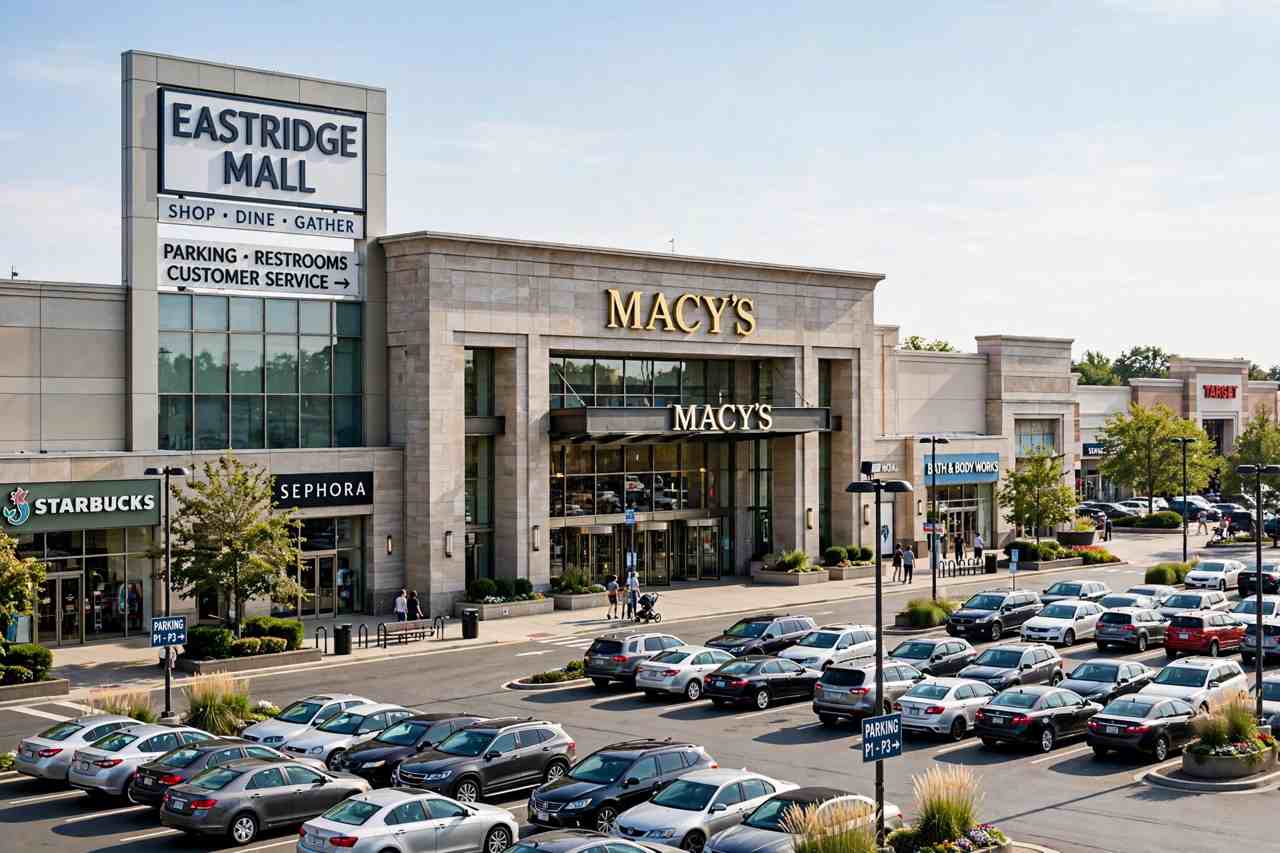
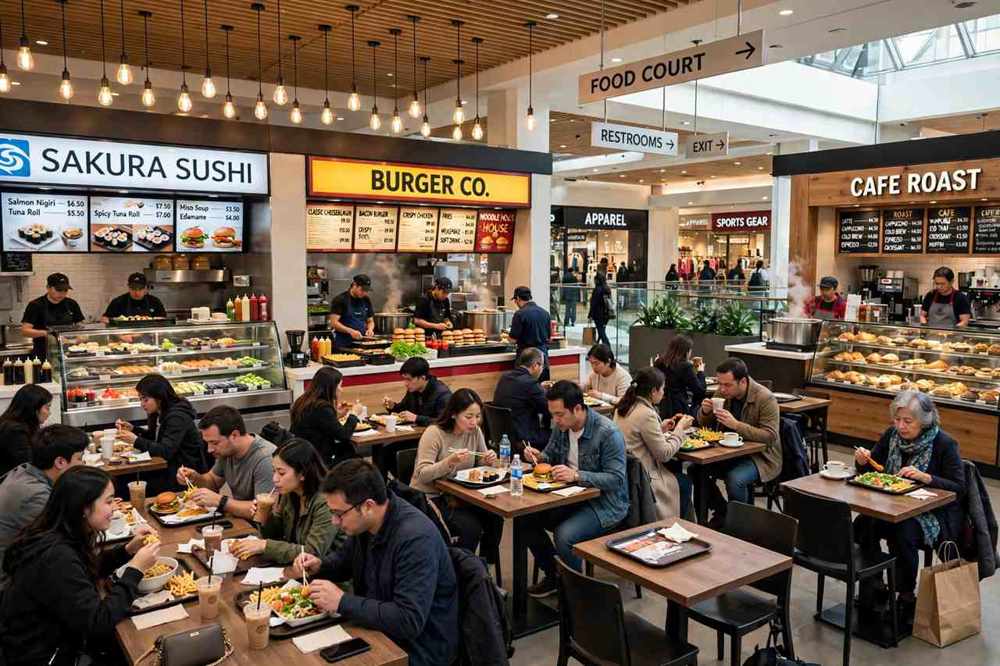
For restaurants in shopping centers, the food court is both an opportunity and a battleground. High foot traffic comes with intense nearby competition, and the difference between thriving and struggling can come down to a single lease clause. Food court exclusivity provisions protect restaurants from direct competitors opening next door, and understanding them is critical before signing a food court lease.
Exclusivity sounds simple: the landlord promises not to lease nearby space to a competing business. In practice, these clauses are heavily negotiated, narrowly defined, and frequently disputed. This article explains what food court restaurants typically get, what landlords resist, and how to draft an exclusivity clause that actually protects your business.
What Food Court Exclusivity Means
An exclusivity clause restricts the landlord from leasing other space in the shopping center to tenants whose primary business competes with yours. For a pizza restaurant, the clause might prohibit the landlord from leasing to another pizza concept within the food court or the center. The protection usually covers a defined area and a defined competitive category.
Exclusivity is not automatic. It must be negotiated and written into the lease. Tenants who assume the landlord will naturally avoid leasing to competitors are often disappointed when a rival opens two stalls down. If it is not in the lease, it does not exist.
Defining the Protected Category
The heart of any exclusivity clause is the definition of the competing use. Broad definitions favor tenants. A clause that prohibits “Italian restaurants” protects a pizza tenant more than one that prohibits only “pizza restaurants,” since the broader language could block pasta and sandwich concepts too.
Landlords push for narrow definitions, and for good reason. Overly broad exclusivity limits the landlord’s ability to lease vacant space and can reduce the center’s overall draw. The negotiation usually lands on a definition tied to the tenant’s primary menu category, sometimes with a percentage test such as prohibiting tenants that derive more than a threshold share of sales from the protected category.
The Primary Business Test
Many clauses use a primary business standard: the restriction applies only to tenants whose primary business is the protected category. A burger restaurant would be blocked, but a diner that happens to serve burgers would not be. Tenants should understand exactly how primary business is measured, whether by sales, menu items, or square footage devoted to the category.
Without a clear test, disputes are inevitable. A smoothie shop that adds sandwiches, or a coffee shop that expands into lunch, can trigger years of argument about whether the exclusivity clause was violated. Define the measurement method in the lease.
The Protected Area
Exclusivity clauses define a geographic scope. In a food court context, protection might cover the entire food court, the whole shopping center, or a radius such as 500 feet from the tenant’s premises. Broader protection is more valuable but harder to obtain.
Tenants should also consider the landlord’s other properties. A clause that covers only the one center does nothing if the landlord opens a competing food hall across the street. Radius restrictions that extend beyond the center’s boundaries are rare but worth requesting for flagship locations. Related use protections are discussed in our guide to enforcing exclusivity against landlords.
Common Landlord Carve Outs
Landlords routinely insist on exceptions to exclusivity. Existing tenants are almost always grandfathered, so a competitor already in the center stays. Anchor tenants frequently receive carve outs because their leases were negotiated separately with significant leverage.
Other common carve outs include temporary tenants, seasonal kiosks, and food trucks on the property. Tenants should review each carve out carefully. A broad temporary tenant exception can swallow the exclusivity protection if the landlord rotates competing pop ups through the food court year round. Our guide to permitted use clauses covers how use definitions interact with these exceptions.
Renewals and Expansions of Competitors
A critical question is what happens when a grandfathered competitor’s lease expires. Does the landlord have to refuse renewal, or can the competitor stay indefinitely? Most landlords insist on the right to renew existing tenants. Tenants should at least negotiate that the landlord cannot expand a grandfathered competitor’s space or renew at a larger footprint.
Remedies for Violations
An exclusivity clause is only as strong as its remedy. The lease should specify what happens if the landlord breaches. Common remedies include rent abatement while the violation continues, the right to terminate the lease, and in some cases the right to pay percentage rent only, without base rent, until the competitor leaves.
Weak remedies make the clause decorative. If the only remedy is an injunction, the tenant faces expensive litigation to enforce the promise. Tenants should negotiate self help remedies, such as automatic rent reduction, that apply without going to court. Landlords, for their part, should ensure the remedy is proportionate so a minor technical breach does not trigger a termination right.
Exclusivity and Food Court Operations
Food court leases often pair exclusivity with operating requirements. The landlord may require the tenant to stay open during all food court hours, maintain certain quality standards, and participate in joint promotions. These obligations are the price of protection.
Tenants should make sure operating covenants are realistic. A clause requiring operation seven days a week can be punishing for a small operator. Negotiate hours that match your business model, and understand that breaching your operating covenant can give the landlord an excuse to disregard the exclusivity promise. Operating hour requirements are examined in our guide to hours of operation clauses in retail leases.
Radius Restrictions on the Tenant
Exclusivity often comes with a reciprocal radius restriction: the tenant agrees not to open another location within a certain distance. Landlords want this to protect the center’s sales and the percentage rent they collect. Tenants expanding aggressively should resist broad radius clauses or limit them to the same protected category.
Read the radius clause as carefully as the exclusivity clause. A two mile radius restriction can block a planned second location and create a default under the lease if violated. Negotiate the distance down and the duration to match the exclusivity protection you receive.
Negotiating Tips for Restaurant Tenants
Come to the table with data. Show the landlord your concept’s uniqueness, your sales projections, and how your presence benefits the food court’s tenant mix. Landlords grant exclusivity to tenants they believe will drive traffic, not to every applicant.
Prioritize the definition of the protected category over the geographic scope. A tight, well defined category covering the food court is more enforceable than a vague category covering the whole center. And always negotiate the remedy. An exclusivity clause without a meaningful remedy is a promise the landlord can break cheaply.
Due Diligence Before Signing
Before signing, walk the center and the surrounding area. Identify existing and potential competitors. Ask the landlord directly about planned leases and get representations about the current tenant mix in writing. Check whether the landlord owns adjacent parcels where a competitor could open just outside the protected area.
Finally, have a retail leasing attorney review the clause. Exclusivity language is technical, and small wording differences determine whether the clause protects you when it matters. The legal fee is minor compared to the cost of competing against a copycat concept the landlord invited in.