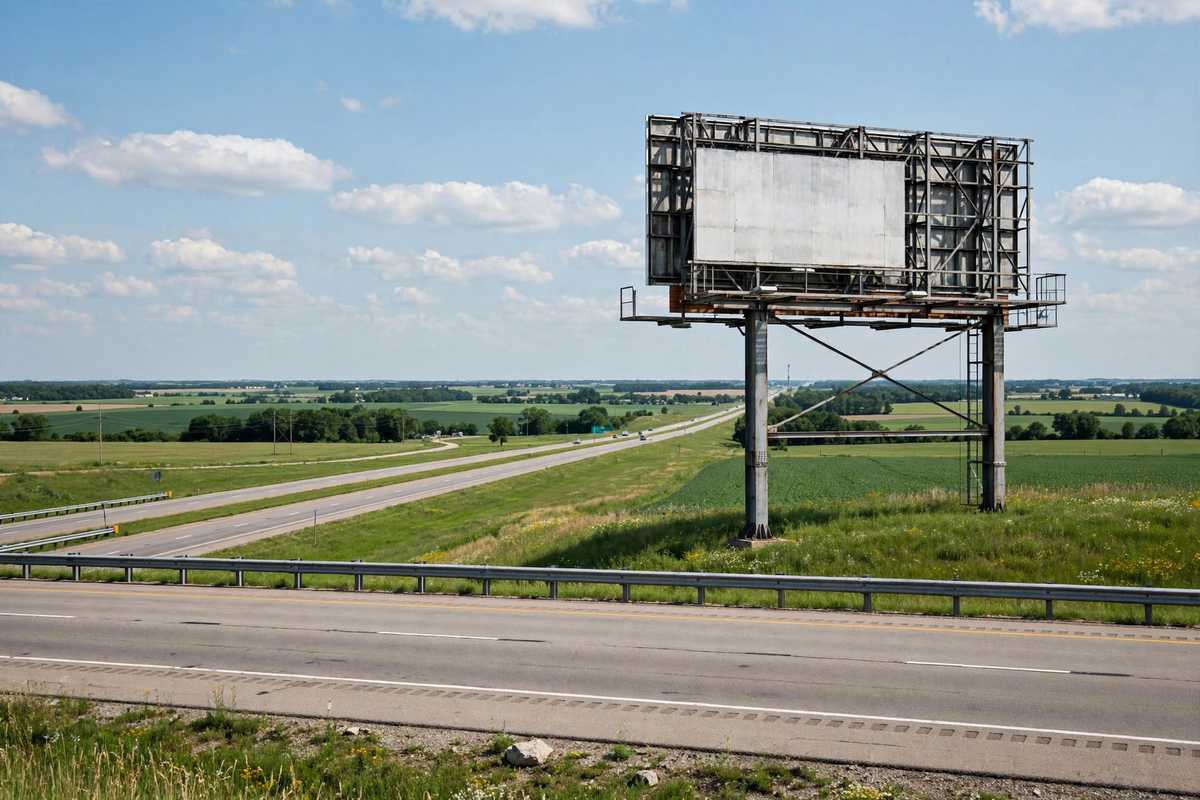
For a landowner with property along a busy highway, a billboard lease can turn a strip of otherwise unusable land into a steady income stream. Outdoor advertising companies pay landowners for the right to erect and maintain billboards, and well-located signs along interstates can generate thousands of dollars a month for decades. Like cell tower leases, these are long term deals where the fine print matters far more than the headline rent.
Billboard companies approach landowners with polished proposals and standard leases that heavily favor the advertiser. The rent offered is almost always negotiable, and the lease terms around duration, revenue participation, relocation, and removal can make or break the deal. Landowners who understand the structure of billboard leases consistently secure better economics and stronger protections than those who sign the first draft.
How Billboard Leases Work
A billboard lease grants an outdoor advertising company the right to construct, operate, and maintain one or more billboard structures on the landowner’s property, along with access easements for installation and servicing. The initial term typically runs 10 to 20 years, often with renewal options extending the total to 30 years or more. The footprint is small, but the sign’s visibility zone, lighting, and access needs affect a larger area.
Rent depends on traffic count, visibility, and market. A rural two-lane highway sign might pay a few hundred dollars a month, while a digital billboard along a major urban interstate can pay 3,000 to 10,000 dollars or more per month. Digital signs command premium rents because advertisers pay more for rotating digital faces, and landowners should price digital and static signs very differently.
Rent Structures: Fixed vs Percentage
Billboard leases use either fixed monthly rent, a percentage of the advertising revenue the sign generates, or a hybrid with a minimum rent plus a percentage over a threshold. Percentage deals typically pay the landowner 15 to 30 percent of gross advertising revenue. In strong markets, percentage rent can far exceed fixed offers, but it requires transparency the landowner must negotiate for.
If the lease includes percentage rent, the landowner needs audit rights to verify the advertising revenue figures, a clear definition of gross revenue, and regular reporting from the billboard company. Some leases define revenue net of agency commissions and discounts, which can quietly shrink the landowner’s share. Landowners should also negotiate a minimum guaranteed rent so the percentage structure never drops below a livable floor during soft advertising markets.
Term Length and Renewal Options
Billboard companies push for long initial terms and tenant-controlled renewals because relocating a permitted sign is expensive and uncertain. Landowners should be cautious about granting 20 year initial terms with multiple 10 year options at the tenant’s sole discretion. Shorter initial terms with rent resets at each renewal give the landowner leverage as traffic and advertising rates grow.
Annual escalators of 3 to 5 percent are reasonable targets, and rent resets to fair market value at renewal can capture upside in developing corridors. The lease should also address what happens if the sign loses its permit or visibility. A termination right tied to permit loss protects the billboard company, but the landowner should make sure rent continues until the structure is actually removed, not just until the permit lapses.
Permits, Zoning, and the Contingency Period
Billboards are among the most heavily regulated structures in American land use law. Federal, state, and local rules govern sign size, height, spacing, lighting, and location, and many jurisdictions have capped or banned new billboards entirely. Because permits are uncertain, billboard companies sign leases contingent on obtaining all necessary approvals, often with 12 to 24 month contingency periods.
Landowners should limit how long the property sits tied up during permitting, require the tenant to pursue approvals diligently, and collect option payments during the contingency period. The lease should also allocate the risk if permits are denied or later revoked. Reviewing zoning contingencies in commercial leases helps landowners understand how to structure these approval periods fairly.
Visibility Protection: Your Most Valuable Clause
A billboard’s value depends entirely on drivers being able to see it. Trees grow, new buildings rise, and highway departments reconfigure interchanges. The lease should obligate the landowner not to obstruct the sign’s visibility, which is standard, but landowners should also negotiate protections against third-party obstructions where possible, such as rights to trim vegetation within the visibility zone.
More importantly, the lease should give the landowner remedies if visibility is materially impaired through no fault of either party. Options include rent abatement, relocation of the sign to a better spot on the property, or termination rights. Without these provisions, the landowner can end up hosting a sign nobody sees while the billboard company pays reduced rent or walks away. Signage visibility issues also arise in signage rights in commercial leases, where tenants face similar obstruction risks.
Relocation and Eminent Domain
Highway widening projects frequently take billboard sites through eminent domain. The lease should address who receives the condemnation award for the sign structure versus the land, and whether the tenant has a right to relocate the sign elsewhere on the property. Billboard companies often negotiate relocation rights because their permit may be transferable within certain distances.
Landowners should make sure any relocation is subject to their reasonable approval of the new location, and that rent continues uninterrupted during relocation. If the lease simply terminates on condemnation, the landowner loses the income stream entirely. A well-drafted clause preserves the economics for both sides when the highway department comes calling.
Assignment, Change of Control, and Buyouts
The outdoor advertising industry has consolidated heavily, and billboard leases are bought and sold as assets. Landowners should expect the lease to be assigned and should focus less on blocking assignment than on ensuring the assignee assumes all obligations in writing. Notice provisions should keep the landowner informed about who actually holds the lease.
Landowners will also receive lump sum buyout offers for their billboard leases, often at multiples that look tempting. As with other long term ground leases, these offers are priced for the buyer’s profit. The principles in change of control clauses apply here: know who controls the lease, and do not sell the income stream without understanding its present value.
Maintenance, Lighting, and Removal
The billboard company should bear full responsibility for maintaining the structure, including lighting, electrical systems, and the sign faces. Digital billboards add complexity, with LED panels, cooling systems, and higher electrical loads. The lease should require the tenant to maintain liability insurance, keep the structure in good repair, and comply with all electrical and structural codes.
Removal obligations are critical. Taking down a monopole billboard and its foundation can cost tens of thousands of dollars. The lease should require removal within a set period after termination, site restoration, and ideally a removal bond or letter of credit securing the obligation. Landowners should also address the permitted use carefully, specifying the number, size, and type of signs allowed so the tenant cannot upgrade from one static face to a towering digital display without approval and additional rent.
Negotiating a Strong Billboard Lease
Landowners with desirable highway frontage should treat the billboard company’s first offer as a starting point. Get competing bids if possible, hire an attorney familiar with outdoor advertising leases, and negotiate rent structure, escalators, visibility protections, and removal security as a package. The sign will be part of the property for decades, so the lease should be built to last.
A well-negotiated billboard lease converts roadside visibility into reliable income without burdening the rest of the property. Take the time to get the terms right, and the sign will pay dividends long after the initial negotiation is forgotten.