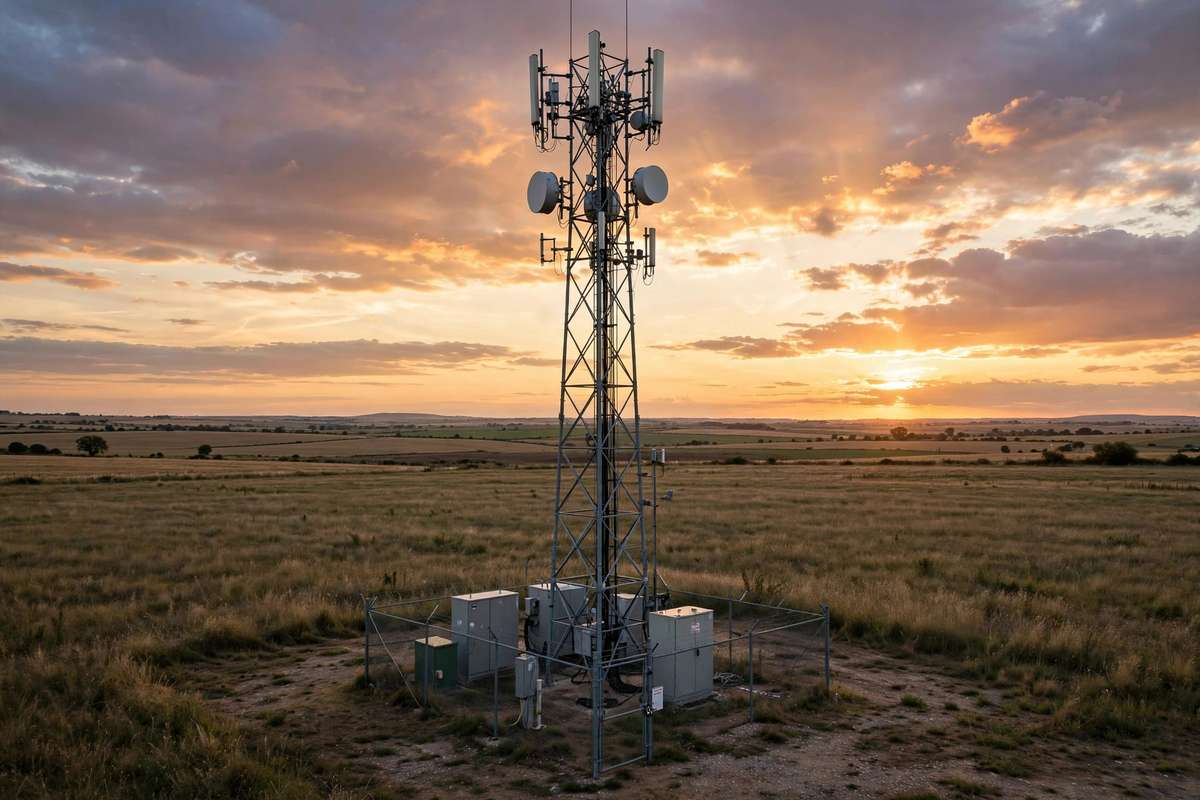
A letter arrives offering a landowner several hundred dollars a month to host a cell tower on a corner of the property. It looks like easy money, and in many ways it is. Cell tower leases are among the most lucrative small-footprint leases a landowner can sign, often paying thousands of dollars a month for less than a quarter acre. But these leases run for decades, and the terms a landowner accepts in week one will govern the property for thirty years or more.
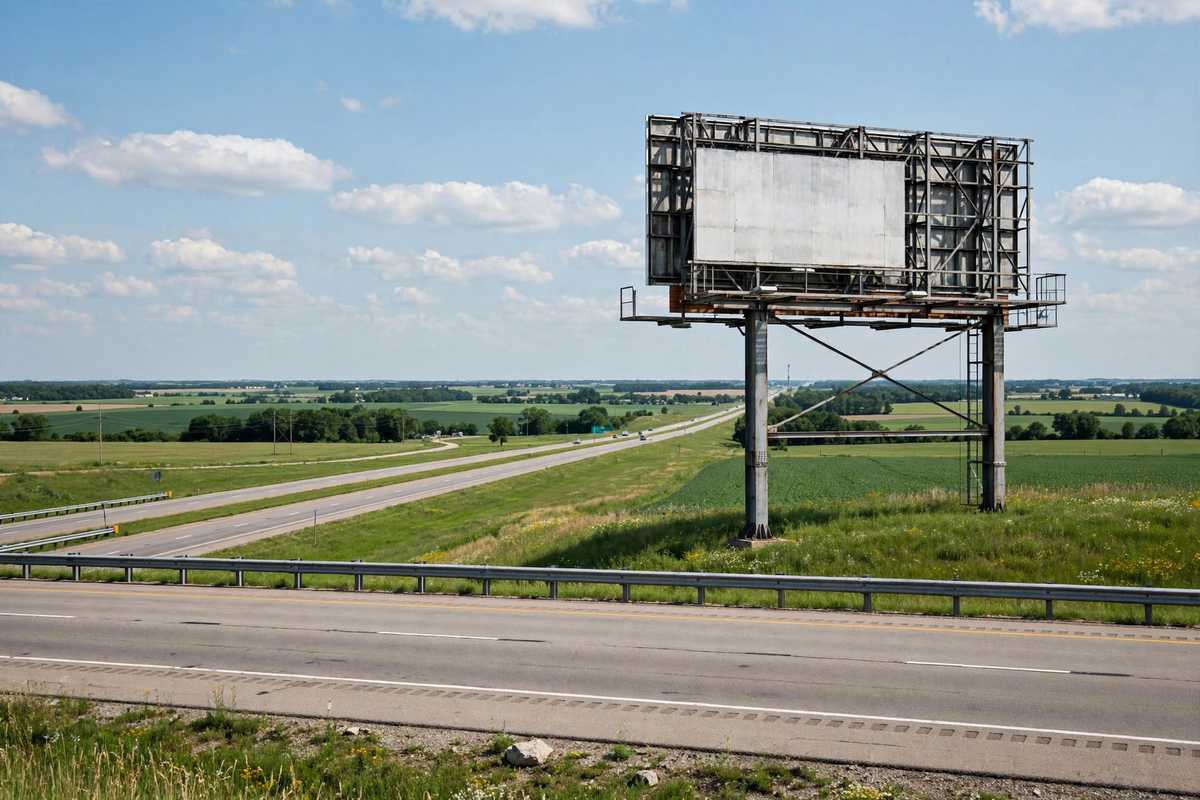
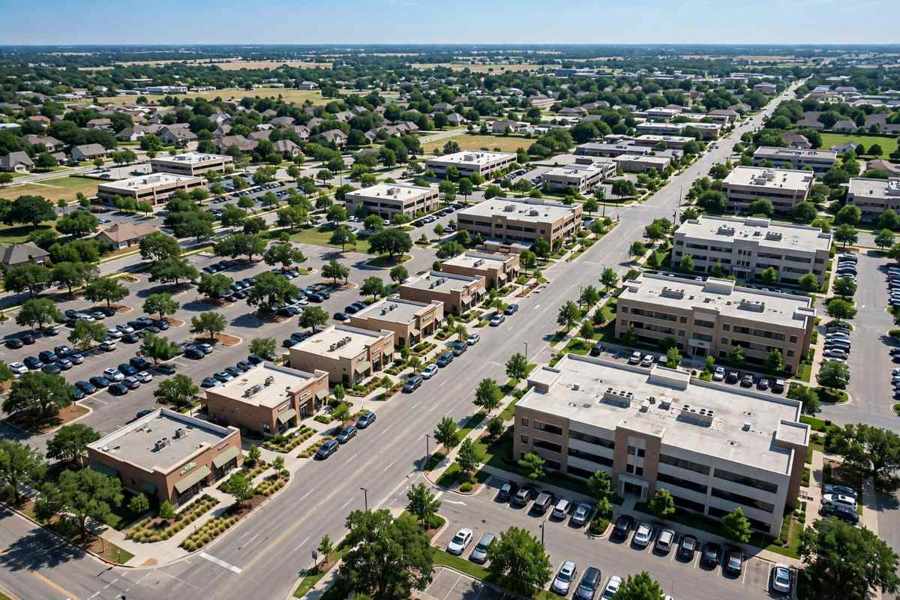
Wireless carriers and tower companies actively seek sites along highways, on hilltops, and in growing suburbs where coverage is thin. Landowners who understand the structure of these deals routinely negotiate rents two or three times the carrier’s opening offer, plus annual escalators and a share of future sublease revenue. Those who sign the first draft often leave that money on the table permanently. This guide covers what landowners should know before putting a tower on their land.
How Cell Tower Leases Are Structured
A typical cell tower lease gives the carrier the right to build and operate a tower, usually 100 to 200 feet tall, on a leased parcel of 2,500 to 10,000 square feet, plus access roads and utility easements. The initial term is often five years with multiple five year renewal options, stretching the total potential term to 25 or 30 years. Renewal options almost always belong to the tenant, not the landowner, which is why the rent escalator matters so much.
Rent varies enormously by market. Rural sites might pay 500 to 1,500 dollars per month, while sites in dense suburbs or along major corridors can pay 2,000 to 5,000 dollars or more. Carriers base offers on coverage need, zoning difficulty, and how many alternative sites exist nearby. A landowner with the only viable hilltop in a coverage gap has real leverage. Landowners should never accept that the first offer reflects the site’s true value.
Rent Escalators: The Most Important Clause
Because these leases last decades, the annual rent escalator determines the real value of the deal. A fixed 2 or 3 percent annual increase is common, and it compounds. A lease starting at 1,500 dollars per month with a 3 percent escalator pays roughly 2,600 dollars per month by year 20. Without an escalator, inflation quietly erodes the rent to a fraction of its original value over a 30 year term.
Landowners should push for the highest escalator they can get and consider tying increases to CPI with a floor, so rent keeps pace with inflation even in low inflation years. Some leases reset rent to fair market value at each renewal term, which can be valuable in growing markets but requires a clear appraisal process. Whatever the mechanism, the escalator should be automatic, not subject to the tenant’s discretion or to a renegotiation the landowner might lose.
Revenue Sharing From Collocation
Modern towers host multiple carriers on a single structure, and each additional carrier pays rent to the tower owner. Landowners should negotiate a share of that collocation revenue, typically 20 to 50 percent of the rent the tenant receives from subtenants. This clause can eventually exceed the base rent, turning a good lease into a great one as more carriers join the tower.
The lease should define collocation revenue clearly and give the landowner audit rights to verify payments. Some leases try to exclude revenue from equipment modifications or to define subtenants narrowly. Landowners should insist the revenue share covers all subleases, licenses, and collocation fees of any kind. Without this clause, the tower company keeps 100 percent of the upside from carriers the landowner’s property made possible.
Assignment and the Tower Company Buyout
Carriers frequently assign tower leases to tower companies, and nothing in a well-drafted lease should let the landowner unreasonably block that. But assignment clauses matter for a different reason. After signing, the landowner will likely receive offers to buy out the lease for a lump sum, sometimes from companies the landowner has never heard of. These buyouts are legitimate but are priced to profit the buyer, often at a steep discount to the lease’s long term value.
Before considering any buyout, the landowner should have the lease reviewed and the buyout offer evaluated against the present value of the remaining rent stream. Most financial advisors counsel against selling unless the landowner needs the capital. The lease should also require notice of assignments so the landowner always knows who is actually paying the rent. The rules around assignment to affiliates in commercial leases show why tracking who holds the lease matters.
Term, Termination, and Removal Obligations
The tenant’s early termination rights deserve careful attention. Many tower leases let the carrier terminate with 30 to 180 days notice if the site becomes technologically obsolete or uneconomical. Landowners should negotiate for longer notice periods, termination fees, or a requirement that rent continues for a minimum period after notice, because an abandoned tower leaves the landowner with a hole in the income stream and a structure to deal with.
At the end of the lease, the tenant should be required to remove the tower, foundations, and equipment and restore the site, with the obligation backed by a removal bond or security. Removing a 150 foot tower can cost 25,000 to 50,000 dollars or more. Without a funded removal obligation, the landowner may inherit that bill. The lease should set a clear deadline for removal after termination and state what restored condition means.
Access, Utilities, and Interference
Tower leases grant the tenant 24 hour access for maintenance and emergencies, usually via a defined access easement across the landowner’s property. Landowners should make sure the easement route is specific and limited, so service trucks are not cutting across fields or landscaping. The lease should also address who pays for the electricity and any backup generators, and how utility lines reach the site.
Radio frequency interference is rarely an issue for landowners, but the lease should still address it. More practically, the landowner should reserve the right to continue using the rest of the property without interference and should prohibit the tenant from expanding beyond the leased parcel without written consent. Any expansion, from a larger compound to additional equipment shelters, should trigger additional rent. Related issues arise with rooftop antenna leases, where access and equipment placement create similar negotiations.
Taxes, Insurance, and Liability
A tower can increase the property’s assessed value, raising property taxes. The lease should state whether the tenant reimburses the tax increase attributable to the tower, and many landowners successfully negotiate full reimbursement. Insurance is equally important. The tenant should carry commercial general liability insurance naming the landowner as an additional insured, with limits appropriate to the risk, often 2 million dollars or more per occurrence.
Indemnification should run in the landowner’s favor for claims arising from the tower’s construction and operation. Landowners should also confirm the lease addresses environmental liability, particularly for fuel storage if backup generators use diesel. A Phase I style baseline of the site’s condition at lease signing protects the landowner from inheriting cleanup responsibility later.
Zoning, Permits, and Lease Contingencies
Tower companies typically sign the lease contingent on obtaining zoning approval and building permits, with a due diligence period of 6 to 18 months. During that period the tenant may walk away if permits fail. Landowners should limit the contingency period, require the tenant to pursue permits diligently, and consider an option payment for the contingency period so the property is not tied up for free.
Some jurisdictions require conditional use permits with public hearings, and neighbors sometimes object. The tenant usually handles the permitting process and its costs, but the landowner may need to sign applications as the property owner. The lease should make clear the tenant bears all permitting costs and that the landowner’s cooperation does not make the landowner liable for the tenant’s compliance failures. Similar contingency logic applies in telecommunications clauses in office leases, where carrier access rights need careful boundaries.
Negotiating From Strength
The single biggest mistake landowners make is signing the carrier’s form lease without negotiation. That form was written to protect the carrier across thousands of sites. A landowner with a desirable site should hire an attorney experienced in telecom leases, get competing interest if possible, and negotiate rent, escalators, revenue sharing, and removal terms as a package.
Cell tower leases can fund a retirement or transform a farm’s economics, but only when the terms reflect the site’s true value over decades. Take time, get advice, and negotiate every clause that will outlive the handshake.