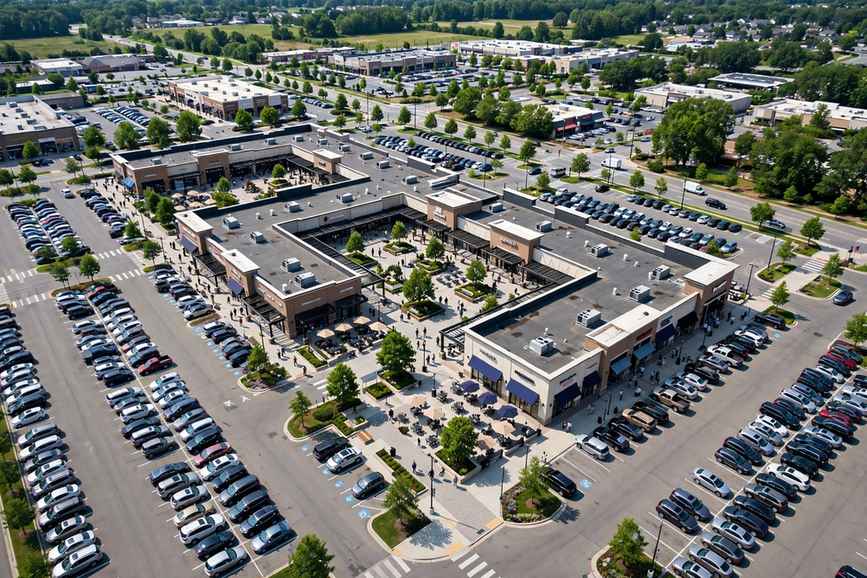
A radius clause stops a retail tenant from opening another location within a certain distance of the leased premises. Shopping center landlords use these clauses to keep the tenant’s sales, and the percentage rent that follows them, concentrated in one place. For growing retailers, the clause can block expansion plans across an entire metro area.
Not all radius clauses are absolute. Leases commonly include exceptions that let tenants open certain types of stores, acquire existing businesses, or sell through other channels. Knowing which exceptions to negotiate can preserve your growth options. This article covers the exceptions worth fighting for.
What a Radius Clause Restricts
A typical radius clause prohibits the tenant from owning, operating, or having an interest in a similar business within a defined radius, often 3 to 10 miles, of the shopping center. Some clauses measure the radius from the center’s boundaries, while others measure from the tenant’s store.
The restriction usually applies to businesses similar to the one in the leased space. A coffee shop tenant might be barred from opening another coffee shop nearby but free to open an unrelated business. The definition of similarity is a key negotiation point.
Why Retail Landlords Insist on Them
Landlords invest heavily in driving traffic to their centers. They do not want a tenant siphoning that traffic to a second store a mile away, especially when the landlord earns percentage rent on sales at the center location. The radius clause protects the landlord’s investment.
The clause also reassures other tenants and lenders. A center where anchor tenants cannot dilute their own sales looks more stable. Tenants should understand this motivation, because it explains which exceptions landlords will accept and which they will resist. Strong negotiation fundamentals help here, as our rent negotiation scripts demonstrate.
The Most Valuable Exceptions to Seek
Several exceptions appear regularly in retail leases, and each one protects a different growth path. Tenants should prioritize the exceptions that match their actual expansion plans rather than accepting a generic list.
The strongest position is to narrow the clause itself: a smaller radius, a tighter definition of competing business, and a shorter duration. Exceptions then fill the remaining gaps. Both strategies work together.
Existing Locations and Acquisitions
Most tenants want an exception for stores already open when the lease is signed. Without it, the tenant would breach the lease the moment it opens for business. This exception is standard and rarely controversial.
The acquisition exception is more valuable and harder to win. It lets the tenant buy a competing business inside the radius without violating the clause. Growing chains use this exception when acquiring regional competitors. Landlords may agree if the acquired stores can be rebranded or closed, so negotiate the details.
Different Brand or Concept Carve-Outs
Multi-brand retailers should carve out their other concepts. A company operating both a burger chain and a pizza chain does not want the burger lease to block pizza expansion. The carve-out typically excludes businesses operating under a different trade name.
Landlords sometimes limit this exception by requiring the other concept to be genuinely different, not just a renamed version of the same store. Tenants should make sure the language covers future brands they might launch, not only the ones they operate today.
Distance Thresholds and Measurement
The radius distance itself is negotiable. A national tenant might accept a 5-mile radius in a dense city but need it reduced in sprawling suburbs where 5 miles covers the entire market. Proposing a smaller radius is often easier than adding exceptions.
How the distance is measured matters too. Straight-line measurement is standard, but some leases use driving distance, which can be much longer. Tenants should confirm the method and consider asking for the radius to shrink after the first few years of the term.
E-Commerce and Online Sales Exceptions
Modern radius clauses sometimes try to capture online sales, requiring the tenant to credit internet orders to the center store. Tenants should resist this expansion and seek an explicit exception for e-commerce, catalog sales, and wholesale operations.
The exception should cover sales through the tenant’s own website, third-party marketplaces, and mobile apps. As retail continues shifting online, this carve-out grows more important every year. A lease signed today will govern the tenant’s digital business for its entire term.
Enforcement and Audit Provisions
Radius clauses need teeth to matter. Landlords typically enforce them through percentage rent adjustments: sales from violating locations get added back to the center store’s gross sales for rent calculation. Some leases go further, making a radius violation an event of default.
Tenants should pay attention to audit rights. The landlord may demand sales reports from other locations to verify compliance. Limiting the audit scope and frequency protects the tenant’s broader business information. Before signing, review every enforcement term carefully, as our guide to reading your lease before signing advises.
Sunset Clauses That End the Restriction
A sunset clause terminates the radius restriction after a set period, such as five years or when the tenant reaches a sales threshold. This is one of the most tenant-friendly provisions available, because it recognizes that the landlord’s need for protection fades over time.
Tenants can also tie the sunset to performance. If the center store meets agreed sales targets, the radius clause drops away. This aligns both parties: the landlord gets the sales it wanted, and the tenant earns expansion freedom.
Negotiating Strategy for Tenants
Start by questioning whether the clause is needed at all. Small inline tenants often get it removed entirely, since their sales barely affect the center. Larger tenants should focus on the exceptions that match their growth plans.
Trade concessions where possible. A tenant might accept a slightly larger radius in exchange for the acquisition exception, or agree to sales reporting in exchange for a sunset clause. Package deals like these often succeed where single-issue demands fail. Tenants renewing on better terms can use similar leverage, as discussed in our article on early lease renewal negotiation.
Radius Clauses in Mixed-Use Developments
Mixed-use developments add complexity to radius clauses. A tenant in the retail portion may want to open a location in the residential tower’s ground floor or a nearby phase of the same project. The lease should clarify whether different phases or components of the development count as inside the radius.
Landlords of mixed-use projects often argue the restriction should cover the entire development, since all components benefit from shared marketing and traffic. Tenants can counter that each phase functions as a separate market. Resolving this question in the lease prevents arguments later.
Pop-up stores and seasonal kiosks deserve attention too. A tenant testing a holiday kiosk inside the radius might technically violate the clause. An exception for temporary locations under a certain size or duration gives the tenant flexibility without threatening the landlord’s interests.
Tenants should also ask whether the radius applies to affiliated companies and franchisees. A lease that restricts the tenant’s affiliates can block sister brands from expanding, so the affiliate definition deserves a second look here as well.
Key Takeaways
Radius clauses restrict where retail tenants can open competing locations, but well-negotiated exceptions preserve growth options. The most valuable carve-outs cover existing stores, acquisitions, different brands, and e-commerce.
Tenants should also negotiate the radius distance, the measurement method, and a sunset clause. With the right exceptions in place, the clause protects the landlord’s legitimate interests without handcuffing the tenant’s future.