The Americans with Disabilities Act sets national standards for accessibility in places of public accommodation and commercial facilities. For commercial tenants and landlords, the ADA raises a practical question that every lease should answer: when a property needs an accessibility upgrade, who pays for it?
The answer is rarely simple. Responsibility can fall on the landlord, the tenant, or both, depending on the lease language, the type of space, and the nature of the required work. Because ADA violations can trigger lawsuits, government complaints, and costly retrofits, both sides need to understand their obligations before signing.
What the ADA Requires of Commercial Properties
Title III of the ADA applies to places of public accommodation, which include retail stores, restaurants, hotels, medical offices, and many other commercial spaces that serve the public. These properties must remove architectural barriers where removal is readily achievable and must comply with detailed accessibility standards for new construction and alterations.
The standards cover a wide range of features: accessible entrances and routes, door widths and hardware, restroom fixtures and clearances, counter heights, signage with Braille and raised characters, parking space dimensions and van-accessible spots, and many other details. Compliance is technical and specific, which is why accessibility surveys by qualified professionals are so valuable.
Title I of the ADA, which covers employment, can also affect commercial spaces. An employer may need to modify its leased premises as a reasonable accommodation for an employee with a disability. This obligation falls on the employer-tenant, not the landlord, although the tenant may need the landlord’s permission to make the physical changes.
The Default Rule: Landlord vs Tenant Responsibility
The ADA itself does not assign responsibility between landlords and tenants. The statute makes both property owners and operators potentially liable, and courts have held that a landlord cannot contract away its ADA obligations entirely. However, the lease can allocate the cost of compliance work between the parties.
In practice, responsibility is usually divided by area. Landlords typically take responsibility for common areas such as lobbies, corridors, restrooms serving multiple tenants, parking lots, and building entrances. Tenants typically take responsibility for the interior of their own leased premises, including their private restrooms, counters, and fixtures.
This division sounds clean, but the boundary is often blurry. A storefront entrance that serves only one tenant might be classified as a common area or as part of the premises depending on the lease definitions. Tenants should confirm exactly where the landlord’s responsibility ends and theirs begins, in writing, before signing. A careful lease review, as described in our guide to reading your lease before signing, should always include the ADA provisions.
Common ADA Lease Clauses
Most commercial leases contain an ADA compliance clause, but the quality of these clauses varies enormously. A strong clause clearly states which party is responsible for compliance in each area of the property, sets a timeline for completing required work, and allocates costs. A weak clause simply says the tenant must comply with all laws, which pushes nearly all ADA risk onto the tenant.
Tenants should be wary of blanket compliance clauses. A provision requiring the tenant to comply with all federal, state, and local laws sounds reasonable, but it can make the tenant responsible for pre-existing building violations that predate the tenancy. Negotiating a carve-out for conditions that existed before the lease term protects the tenant from inheriting the landlord’s problems.
Some leases include a representation by the landlord that the common areas comply with the ADA as of the lease commencement date. This representation is valuable because it establishes a baseline. If a violation is later discovered in an area the landlord represented as compliant, the landlord bears the cost of fixing it. Tenants should request this representation and consider verifying it with an independent accessibility survey.
Alterations and Tenant Improvements
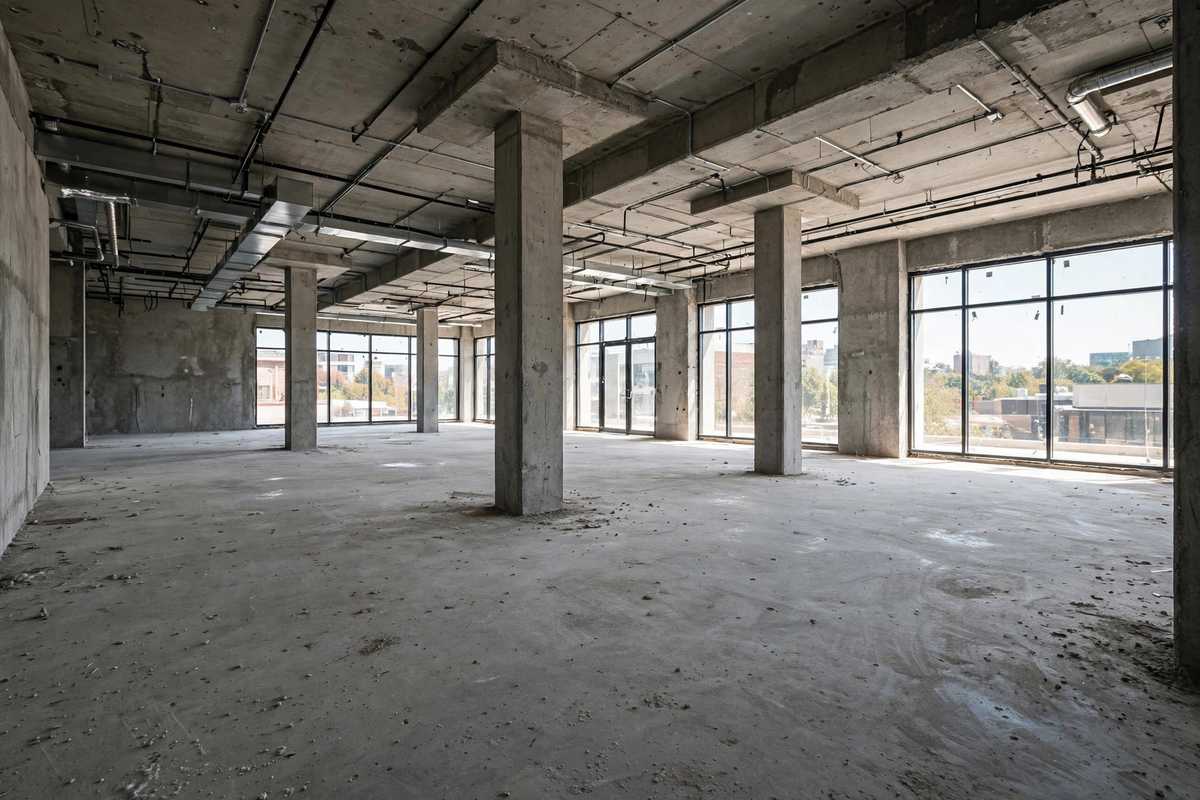
When a tenant builds out or alters its space, the ADA requires the altered areas to comply with current accessibility standards. In addition, the path of travel to the altered area and the restrooms, telephones, and drinking fountains serving it may need upgrades if the alteration cost triggers the ADA’s disproportionate cost threshold.
These alteration-triggered obligations can be expensive. A tenant planning a major renovation should budget for accessibility upgrades beyond the cosmetic work. The lease’s alteration clause should clarify whether the landlord’s consent to the renovation includes consent to the ADA-related changes it triggers.
Pre-Existing Violations and Baseline Surveys
Many commercial buildings, especially older ones, have accessibility barriers that predate the current tenancy. A narrow restroom doorway, a stepped entrance, or a non-compliant parking lot may have existed for years. When a new tenant moves in, the question becomes who must fix these inherited problems.
The best protection is a baseline accessibility survey conducted before the lease is signed. The survey documents existing conditions and identifies violations. The parties can then agree in the lease on who will remediate each item and on what timeline. Without a baseline, every violation discovered later becomes a negotiation conducted under pressure.
Tenants should also understand that the ADA’s readily achievable standard is ongoing. A barrier that was not readily achievable to remove five years ago may become readily achievable as the business grows and resources increase. Compliance is not a one-time event, and leases that last a decade or more should anticipate evolving obligations.
Service Animals, Policies, and Operational Compliance
Not all ADA compliance involves construction. Operational policies matter too. Businesses that serve the public must allow service animals, provide auxiliary aids and services for effective communication, and avoid eligibility criteria that screen out people with disabilities. These obligations fall on the tenant as the business operator.
The service animal rules are a frequent source of confusion. Staff may ask only two questions: whether the animal is required because of a disability and what task it has been trained to perform. Businesses cannot demand documentation or special identification. Our article on service animals vs pets in rental rules explains these distinctions in the residential context, and the commercial rules follow the same federal framework.
Landlords also have operational obligations in common areas, such as keeping accessible routes clear of obstructions and maintaining accessible parking signage. A lease that assigns construction responsibility but ignores operational responsibility is incomplete.
Enforcement Risks and Lawsuits
ADA non-compliance carries real financial risk. Private plaintiffs can sue for injunctive relief and attorney’s fees, and serial plaintiffs have targeted commercial properties in many states. The Department of Justice can also bring enforcement actions seeking civil penalties. Even a meritless claim costs money to defend.
Because both landlord and tenant can be named in a lawsuit, indemnification clauses matter. Each party should indemnify the other for ADA claims arising from areas under its control. Without mutual indemnification, a tenant could end up paying to defend a claim caused by the landlord’s failure to maintain an accessible parking lot.
Insurance may cover some ADA defense costs, but many policies exclude fines and penalties. Tenants and landlords should review their coverage with their brokers and understand exactly what an ADA claim would cost them out of pocket.
Negotiating Fair ADA Terms
Tenants negotiating a commercial lease should push for several key ADA provisions. First, a landlord representation that common areas comply with the ADA at commencement. Second, a clear division of responsibility by area, with pre-existing violations assigned to the landlord. Third, a cap on the tenant’s ADA expenditure for common-area work triggered by the tenant’s alterations.
Landlords, for their part, should require tenants to maintain the accessibility of their own premises, obtain landlord approval for alterations that affect accessibility, and indemnify the landlord for tenant-caused violations. A well-drafted lease protects both sides by making responsibilities explicit.
Both parties benefit from periodic accessibility reviews during long lease terms. Building codes and ADA standards evolve, and a property that was compliant at lease signing may need updates years later. Building a review mechanism into the lease keeps small issues from becoming lawsuits. Tenants evaluating the fairness of these provisions may also want to review our overview of lease clauses landlords cannot enforce and their quiet enjoyment rights, which together frame the tenant’s broader protections.
The Bottom Line on ADA Responsibility
ADA compliance in a commercial lease is a shared responsibility that the lease must define with precision. Landlords generally handle common areas, tenants generally handle their own premises, and both can be liable for violations. Tenants should negotiate for a landlord compliance representation, a baseline survey, and protection from pre-existing violations. With clear lease language and ongoing attention to accessibility, both sides can serve all of their customers while keeping legal risk under control.