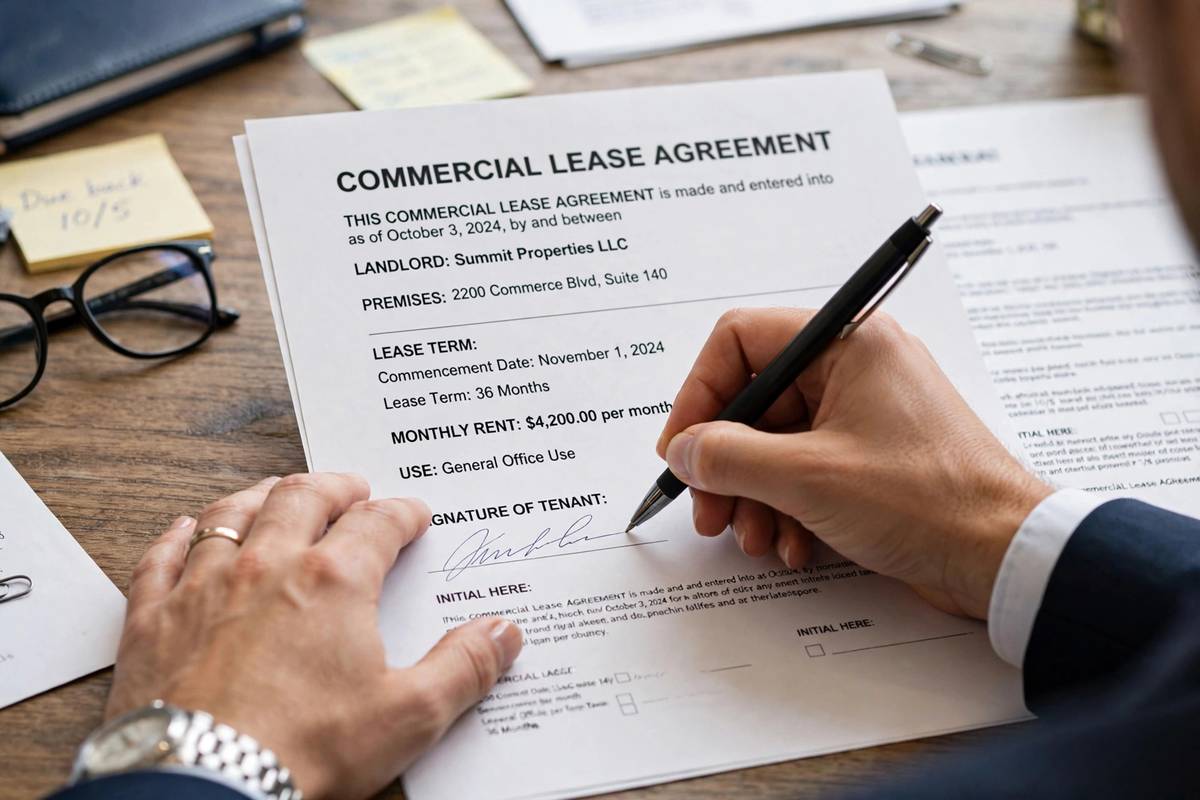
A use clause defines what a tenant may and may not do in leased space. It might limit the premises to general office use, retail sales of certain goods, or a specific restaurant concept. When a tenant strays outside those boundaries, the violation can trigger serious consequences, from cure notices to lease termination.
Many tenants discover use restrictions only after they have already changed their operations. A retailer that adds a new product line or an office tenant that starts seeing clients on site may be breaching the lease without realizing it. This article explains the consequences of use clause violations and how tenants can respond.
What a Use Clause Requires
Use clauses range from broad to extremely specific. A broad clause might permit any lawful office use, giving the tenant wide latitude. A narrow clause might restrict the space to a particular brand of coffee shop and nothing else. The narrower the clause, the easier it is to violate.
Some clauses also prohibit specific activities, such as manufacturing, overnight lodging, or medical procedures. Tenants should read both the permitted use and the prohibited uses, since the prohibitions often contain the real traps. For a related scenario, see our guide to running a home business from your rental, where use restrictions frequently cause trouble.
Common Ways Tenants Violate Use Clauses
The most common violation is business evolution. A company signs a lease as a consulting firm, then pivots to software development with a retail showroom. The space looks the same, but the use has changed. Landlords notice when foot traffic, signage, or operating hours shift.
Other violations include subletting to an incompatible business, expanding into prohibited product categories, and operating outside permitted hours. Even charitable events or pop-up uses can breach a strict clause. Tenants should compare every operational change against the lease language.
Notice and Cure Periods
Most leases do not allow immediate termination for a use violation. The landlord must first send a written notice describing the violation and giving the tenant a cure period, often 10 to 30 days, to stop the offending activity. Only if the tenant fails to cure can the landlord escalate.
The cure period is the tenant’s best friend. A tenant that receives a notice should act immediately: stop the violating use, document the correction, and respond to the landlord in writing. Tenants that ignore the notice lose their strongest defense. Some lease terms are simply unenforceable, as explained in our article on illegal lease clauses.
Financial Consequences: Damages and Penalties
A use violation can cost real money. Landlords may sue for damages caused by the unauthorized use, such as increased wear on the building, higher insurance premiums, or lost rent from neighboring tenants who were disturbed. These damages can add up quickly.
Some leases include liquidated damages for use violations, setting a fixed daily penalty for each day the violation continues. Tenants should check whether their lease contains such a provision, because daily penalties compound fast. A $100 per day penalty becomes $3,000 in a single month.
Lease Termination as a Remedy
If the tenant fails to cure within the notice period, the landlord may have the right to terminate the lease. Termination ends the tenant’s right to occupy and can trigger liability for the remaining rent. This is the nuclear option, and courts take it seriously.
Landlords do not always exercise termination even when they can. A paying tenant is valuable, and eviction is expensive. But tenants should never assume the landlord will be lenient. The right to terminate gives the landlord enormous leverage in any negotiation over the violation.
Injunctions and Court Orders
Beyond termination, landlords can ask a court to order the tenant to stop the violating use. An injunction forces compliance without ending the lease, which suits landlords that want to keep the rent flowing. Courts grant injunctions readily when the lease clearly prohibits the activity.
Violating a court order carries contempt penalties, which escalate the stakes dramatically. Tenants facing an injunction motion should take it extremely seriously and seek legal counsel immediately. Voluntary compliance before the hearing often produces a better outcome.
How Violations Affect Renewal Rights
A use violation on the tenant’s record can jeopardize renewal options. Many leases condition renewal rights on the tenant not being in default. A landlord looking to replace the tenant or raise the rent may cite a past violation as grounds to deny renewal.
Tenants planning to renew should resolve any use disputes well before the renewal notice deadline. A clean compliance history strengthens the tenant’s position. Documenting the cure of any past violation protects against the landlord raising it later.
Impact on Guarantors
When a tenant defaults through a use violation, the guarantor’s obligations typically kick in. Personal or corporate guarantors may find themselves liable for damages, penalties, and even the remaining rent if the lease is terminated. Guarantors rarely anticipate this exposure from an operational change.
Business owners who guaranteed the lease should monitor compliance personally. A manager’s decision to expand the product line can create personal liability for the owner. Regular lease compliance reviews are worth the effort.
Fixing a Violation Before It Escalates
The moment a tenant suspects a violation, the priority is to stop the offending activity and communicate with the landlord. A forthright approach often defuses the situation. Landlords are far more accommodating with tenants who self-report and correct course than with those caught hiding a violation.
If the new use is important to the business, the tenant can request a lease amendment rather than simply stopping. Many landlords will approve a reasonable change, especially if it does not harm the building. The key is asking before the violation becomes a default. Before signing any lease, tenants should study the terms carefully, as our guide to reading your lease before signing recommends.
Preventing Violations in the First Place
Prevention starts with negotiating a use clause broad enough to accommodate growth. Tenants should describe their business in general terms and resist landlord efforts to narrow the language to a single concept. A clause permitting general retail use is far safer than one limited to a specific product line.
Ongoing, tenants should build a habit of checking the lease before making operational changes. New services, extended hours, signage changes, and subtenants all deserve a quick lease review. A few minutes of checking can prevent months of dispute.
Remedies Beyond the Lease Document
Beyond the remedies written in the lease, landlords may have claims under local law. Some jurisdictions allow landlords to recover attorney fees for enforcing lease compliance, even when the lease is silent on fees. Others permit claims for nuisance when the unauthorized use disturbs neighboring tenants.
Tenants should also consider the business impact of a public dispute. A lawsuit over a use violation can affect the tenant’s reputation with customers, suppliers, and future landlords. Resolving the issue quietly and quickly often costs less than winning a prolonged fight.
Insurance is another angle worth checking. Some liability policies exclude coverage for claims arising from lease violations. Tenants should confirm with their broker whether a use dispute would be covered before assuming the policy will help.
Key Takeaways
Use clause violations expose tenants to cure notices, financial penalties, injunctions, and even lease termination. The consequences extend to renewal rights and guarantor liability, making compliance a business priority rather than a legal technicality.
Tenants protect themselves by negotiating broad use language, monitoring operations against the lease, and addressing suspected violations immediately. When a change of use is needed, requesting an amendment beats asking for forgiveness after a default.