When a landlord hands over commercial space, the condition of that space varies enormously. One tenant might receive a raw concrete shell with no finishes at all. Another might get a finished space with painted walls, carpet, and working lights. The terms landlords use to describe these conditions, like cold shell, warm shell, and vanilla box, have specific meanings that directly affect how much the tenant must spend before opening.
Understanding delivery conditions is essential because the condition determines the buildout budget. A tenant who expects a vanilla box but receives a cold shell faces a construction bill tens of thousands of dollars higher than planned. Getting the delivery condition defined precisely in the lease protects the tenant from that surprise.
Cold Shell Delivery
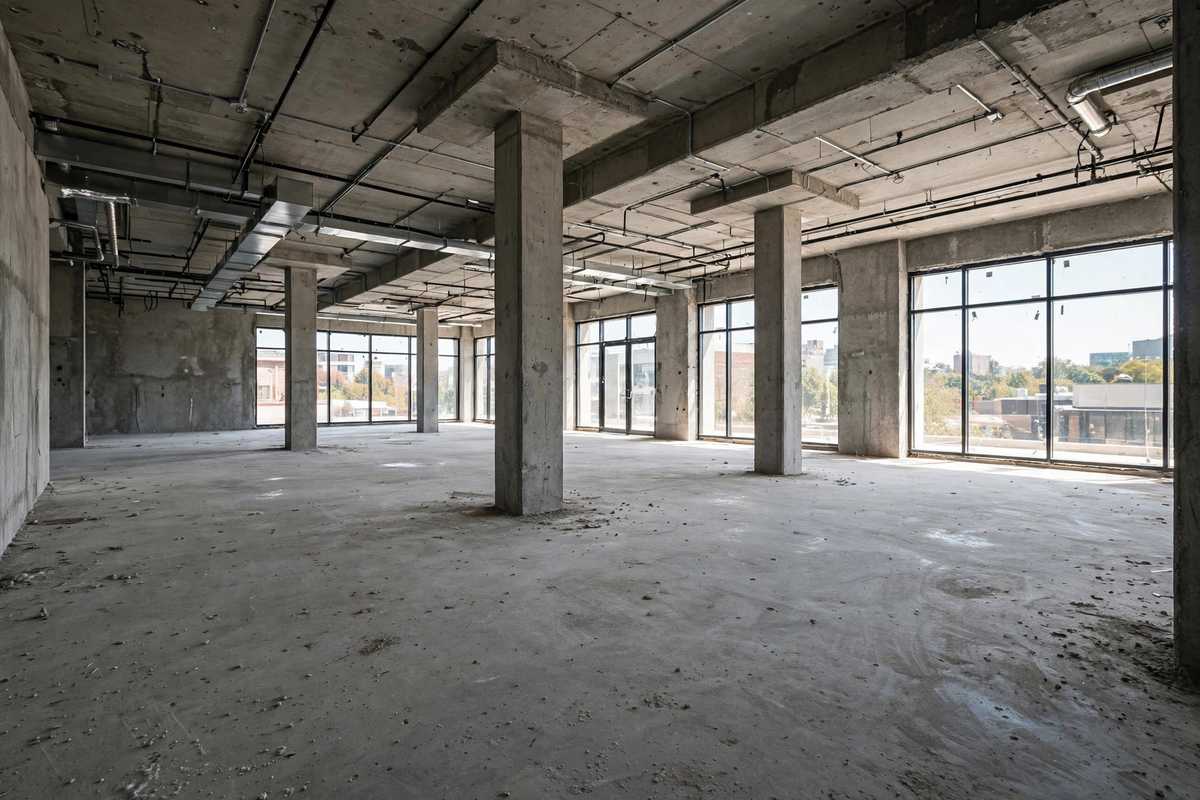
A cold shell is the most basic delivery condition. The tenant receives the structural elements of the space and little else: concrete floors, unfinished walls, and no ceiling. Mechanical, electrical, and plumbing systems may be stubbed to the space or may not be present at all. There are no finishes, no lighting, and no restrooms beyond what the base building provides.
Cold shell is common in new construction, particularly for retail and restaurant spaces where every tenant has unique requirements. The landlord delivers the blank canvas, and the tenant builds everything from scratch. This gives the tenant maximum design freedom but also maximum cost and responsibility.
The buildout for a cold shell is the most expensive of any delivery condition. The tenant must install the full HVAC distribution within the space, all electrical wiring and lighting, plumbing fixtures, flooring, ceilings, and wall finishes. For a restaurant, this also means grease ducts, gas lines, and specialized ventilation. Tenants taking cold shell should budget accordingly and negotiate a substantial improvement allowance to offset the cost.
Warm Shell Delivery
A warm shell goes one step further than a cold shell. The space includes the base building systems in working order: HVAC units installed and operational, electrical panels in place, sprinkler systems complete, and restrooms built to code. The space is functional as a building system but has no tenant finishes. Floors are still concrete, walls are still unfinished, and there is no lighting beyond basic fixtures.
Warm shell is sometimes called “warm lit shell” when basic lighting is included. The key distinction from cold shell is that the expensive infrastructure work is done. The tenant’s buildout focuses on finishes and layout rather than core systems, which significantly reduces both cost and construction time.
Office buildings frequently deliver warm shell for new construction. The landlord installs the systems that serve the whole building efficiently, and each tenant customizes the interior. This division of labor makes sense because HVAC and sprinkler work is cheaper when done once by the landlord’s contractor rather than piecemeal by each tenant’s contractor.
Cold Shell Versus Warm Shell Costs
The cost difference between the two conditions is substantial. Finishing a cold shell can cost two to three times as much as finishing a warm shell, depending on the market and the space. The gap represents the mechanical, electrical, and plumbing infrastructure that the warm shell already includes.
Tenants comparing spaces at different delivery conditions must normalize the costs. A cold shell space at a lower rent may actually be more expensive overall once the buildout is factored in. Calculating the total occupancy cost, including amortized construction, gives the true comparison. This kind of total-cost thinking is central to effective rent negotiation.
Vanilla Box Delivery
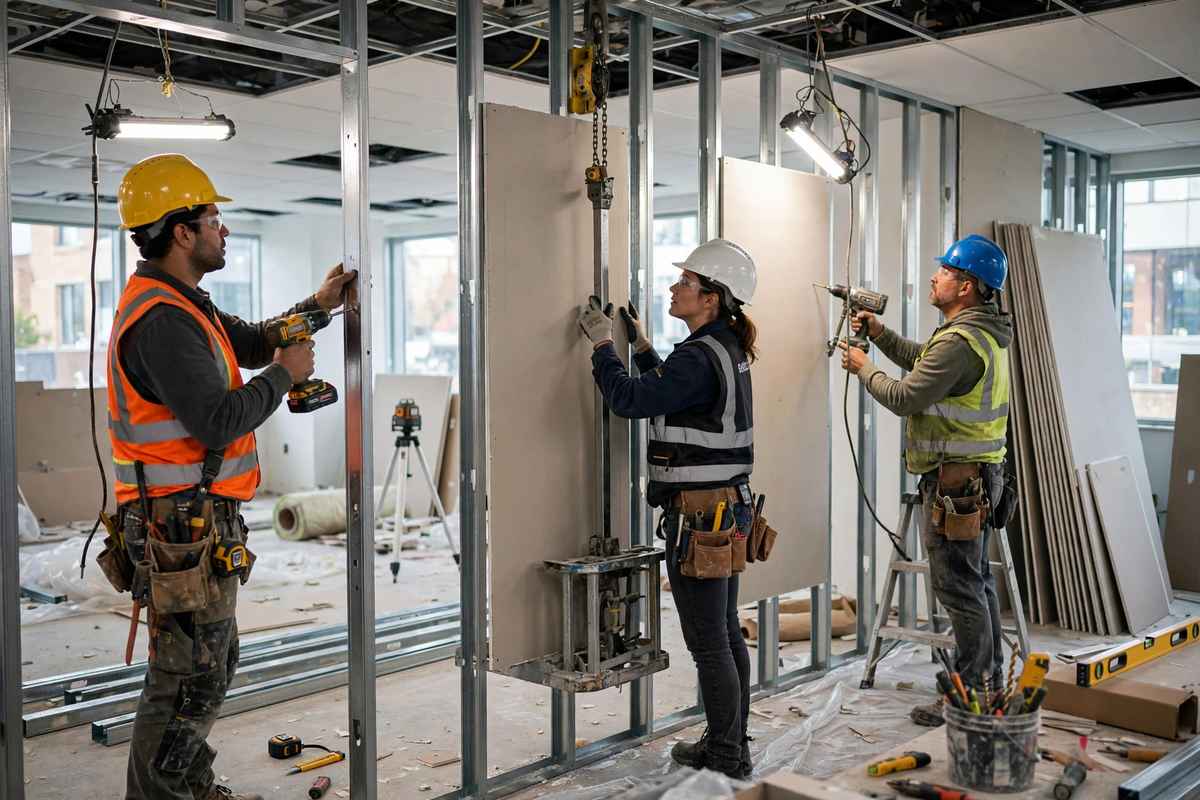
A vanilla box, also called a vanilla shell, is a step above warm shell. The space includes finished basics: painted drywall walls, finished ceilings with lighting, basic flooring or floor-ready surfaces, and operational restrooms. It is called vanilla because the finishes are plain and neutral, ready for the tenant to add its own flavor.
Vanilla box is common in office and retail spaces being re-leased after a prior tenant. Rather than demolishing everything to the shell, the landlord brings the space to a clean, neutral, leasable condition. The incoming tenant then adds branding, specialized fixtures, and layout changes suited to its business.
The advantage for the tenant is lower buildout cost and faster occupancy. A vanilla box might need only cosmetic updates and fixture installation, cutting weeks or months off the construction schedule. For businesses that need to open quickly, this time savings can be worth more than the rent difference versus a shell space.
What “Vanilla” Typically Includes
The exact contents of a vanilla box vary by market and landlord, which is why the lease must define it. Typically it includes finished demising walls separating the space from neighbors, a finished ceiling grid with tiles and lighting, painted walls in a neutral color, and HVAC distribution with thermostats. Restrooms are complete and code-compliant. The electrical system supports standard office or retail loads.
What it usually does not include is anything specific to the tenant’s business: specialized lighting, custom millwork, branded signage, security systems, or equipment. The tenant’s contractor handles those. Tenants should get the vanilla box specification in writing as an exhibit to the lease, with enough detail that there is no argument about what the landlord owes.
Second-Generation Space
Second-generation space is previously occupied space leased in its existing condition, often described as “as is.” The prior tenant’s improvements remain: offices, conference rooms, kitchen areas, and finishes from the last occupancy. The new tenant adapts the existing layout rather than building from scratch.
As-is delivery can be the cheapest and fastest option when the prior use resembles the new tenant’s needs. A law firm moving into a former law firm’s space might need only paint and carpet. But when the uses differ sharply, demolishing someone else’s buildout to reach a workable layout can cost more than starting from a shell.
Tenants taking second-generation space should inspect carefully. Worn systems, outdated electrical capacity, and deferred maintenance hide behind fresh paint. A thorough walkthrough with a contractor identifies problems before the lease is signed. Documenting the existing condition protects the tenant at move-out, similar to the protection a move-in inspection checklist provides in any tenancy.
Negotiating the Delivery Condition
The delivery condition is one of the most negotiable elements of a commercial lease. Tenants should start by defining exactly what they need and getting contractor estimates for each scenario. Armed with real numbers, the tenant can negotiate the condition, the improvement allowance, and the rent as an integrated package.
Several strategies improve the outcome. Tenants can ask the landlord to deliver a better condition rather than increasing the cash allowance, since the landlord’s contractor may do the work more cheaply. They can negotiate a turnkey buildout where the landlord completes specified work before delivery. Or they can accept a lesser condition in exchange for more free rent to fund the construction themselves.
Whatever the agreement, it must be documented with precision. The lease exhibit should describe the delivery condition in detail, set a delivery date, and state the tenant’s remedies if the landlord delivers late or delivers a lesser condition than promised. Vague phrases like “broom clean” or “in good condition” invite disputes. Specificity prevents them.
Delivery Timing and Acceptance
The lease should give the tenant a right to inspect the space upon delivery and to reject it if it does not meet the agreed condition. A punch-list process lets the tenant identify deficiencies for the landlord to correct within a set timeframe. Rent commencement should not begin until the space is accepted or the deficiencies are cured.
Tenants should also address what happens to the delivery schedule if permits or inspections delay the landlord’s work. Day-for-day extensions of the delivery date, with corresponding pushes to rent commencement, keep the economics fair. These protections matter most in new construction, where delivery dates are the least certain.
Delivery conditions shape everything that follows in a tenancy: the buildout budget, the opening timeline, and the total cost of occupancy. Tenants who understand the vocabulary, price each scenario accurately, and document the agreement precisely avoid the most expensive surprises in commercial leasing.