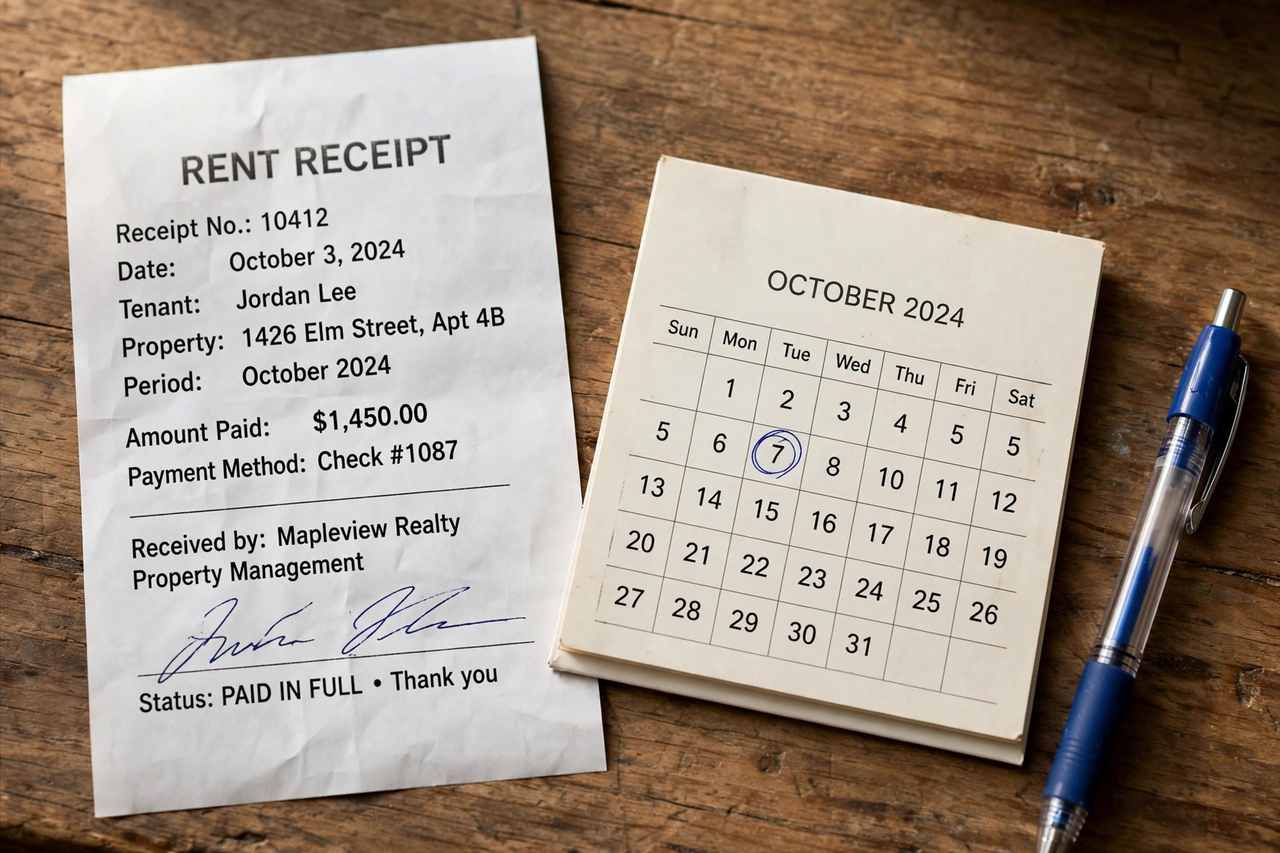
Rent is usually the biggest bill you pay each month. For years, all that money disappeared without doing anything for your credit score. You could pay rent perfectly for a decade and have nothing to show for it on your credit report, while a single missed credit card payment would drag your score down.
That is finally changing. New services and recent changes at the credit bureaus mean your rent payments can now help build your credit history. If you pay rent on time every month, you may be sitting on a powerful credit building tool without even knowing it.
Why Rent Payments Were Invisible to Credit Bureaus
Credit bureaus build your credit file from accounts that lenders report to them. Credit cards, auto loans, and mortgages are reported automatically. Rent historically was not, because most landlords are not set up to report payment data, and the bureaus did not have a standard way to receive it.
This created a frustrating gap. Rent is often a person’s largest monthly obligation, and paying it on time is strong evidence of financial responsibility. Yet none of that positive history appeared on credit reports. The system rewarded borrowers for managing debt but ignored renters who managed their biggest bill flawlessly.
Things are shifting. The major credit bureaus now accept rent payment data, and a growing industry of rent reporting services has emerged to bridge the gap. If you are renting your first apartment, setting up rent reporting early can give your credit file a head start that compounds for years.
How Rent Reporting Services Work
Rent reporting services act as the middleman between you and the credit bureaus. You sign up, connect your bank account or provide proof of rent payments, and the service verifies and reports your payment history. Most services report to one or more of the three major bureaus, Experian, Equifax, and TransUnion.
Some services are free, while others charge a monthly or annual fee. The paid services sometimes offer additional features, such as reporting past payments or reporting to all three bureaus instead of just one. Compare carefully, because reporting to only one bureau limits the benefit.
A few large property management companies now report rent automatically through partnerships with the bureaus. If you rent from a big complex, ask the leasing office whether they report. You might already be building credit without knowing it.
What Gets Reported
Rent reporting services typically report your monthly payment amount, the date paid, and whether it was on time. Some services also report the start date of your tenancy, which can lengthen your credit history. A longer history of on time payments is one of the strongest positive signals in credit scoring.
What is not reported matters too. Your rent amount is reported as an obligation, but it is not treated like revolving debt. This means rent reporting generally does not hurt your credit utilization ratio, which is good news for your score.
Does Reported Rent Actually Improve Your Score?
The impact depends on your starting point. For someone with a thin credit file or no credit history at all, adding months of on time rent payments can make a meaningful difference. It gives scoring models real payment data to work with, which is better than no data.
For someone with an already strong credit history, the effect is smaller. Rent payments are just one more on time account among many. They do not hurt, but they will not transform a good score into a great one overnight.
One important caveat is that not all credit scoring models treat rent data the same way. Newer scoring models, like FICO 9, FICO 10, and VantageScore 3.0 and 4.0, incorporate rent payment data. Older models still used by some mortgage lenders may not. This means your reported rent might boost one score but not show up in another.
When Rent Reporting Makes the Most Sense
Rent reporting delivers the biggest payoff for three groups of people. Young adults with no credit history get a foundation without taking on debt. New immigrants who pay rent reliably but lack US credit accounts get recognized for it. And anyone rebuilding after financial trouble gets an extra positive account to offset past mistakes.
If you already have a deep credit file with years of on time payments, the benefit is modest. In that case, weigh the monthly fee against the small score gain before signing up. There is no rule that says every renter must report, so match the tool to your situation.
The Double Edge: Late Payments Can Hurt Too
Here is the part nobody likes to talk about. Once your rent is being reported, late payments get reported as well. A rent payment that is 30 days late can damage your credit score just like a late credit card payment. The same tool that builds your credit can tear it down.
This makes rent reporting a commitment. Before you sign up, take an honest look at your payment habits. If you occasionally pay rent a few days late, those late payments could end up on your credit report and do more harm than the on time months do good. Only opt in if you are confident you can pay on time consistently.
Some services let you pause reporting or only report positive history, but do not count on this. Assume everything will be reported, good and bad, and make your decision accordingly.
Free Ways to Build Credit With Rent
You do not always need a paid service. Experian Boost is a free tool that lets you add utility, phone, and some rent payments to your Experian credit file. It works by scanning your bank account for qualifying payments. It only affects your Experian score, but it costs nothing to try.
Some banks and credit unions offer rent reporting as a free perk for account holders. Check with your bank before paying for a third party service. You may already have access to a benefit you are not using.
If you are working on rebuilding after a rough patch, rent reporting pairs well with other credit building strategies. A secured credit card plus reported rent payments gives you two positive accounts growing at once, which can accelerate your recovery. For more on starting from a difficult position, see our guide to renting with bad credit.
Keep Proof of Every Payment
Whether or not you use a reporting service, always keep records of your rent payments. Bank statements, payment confirmations, and written receipts all serve as proof. Our rent receipts guide explains the best ways to document each payment so you are protected in any dispute.
Good records matter for more than credit. If a landlord ever claims you missed a payment, your documentation is your defense. If you apply for a mortgage, lenders may ask for proof of rent history as part of your application. Organized records make every financial process smoother.
Final Thoughts: Turn Your Biggest Bill Into an Asset
Paying rent on time every month is already a smart financial habit. With rent reporting, it can also become a credit building strategy. Research the available services, weigh the costs, and make sure you can commit to on time payments before you opt in.
Credit building is a long game, and rent is one of the longest running payments in your life. A few years of reported on time rent payments can give your credit file a foundation that follows you from your first apartment all the way to your first mortgage. Start now, and let your rent start working for you.