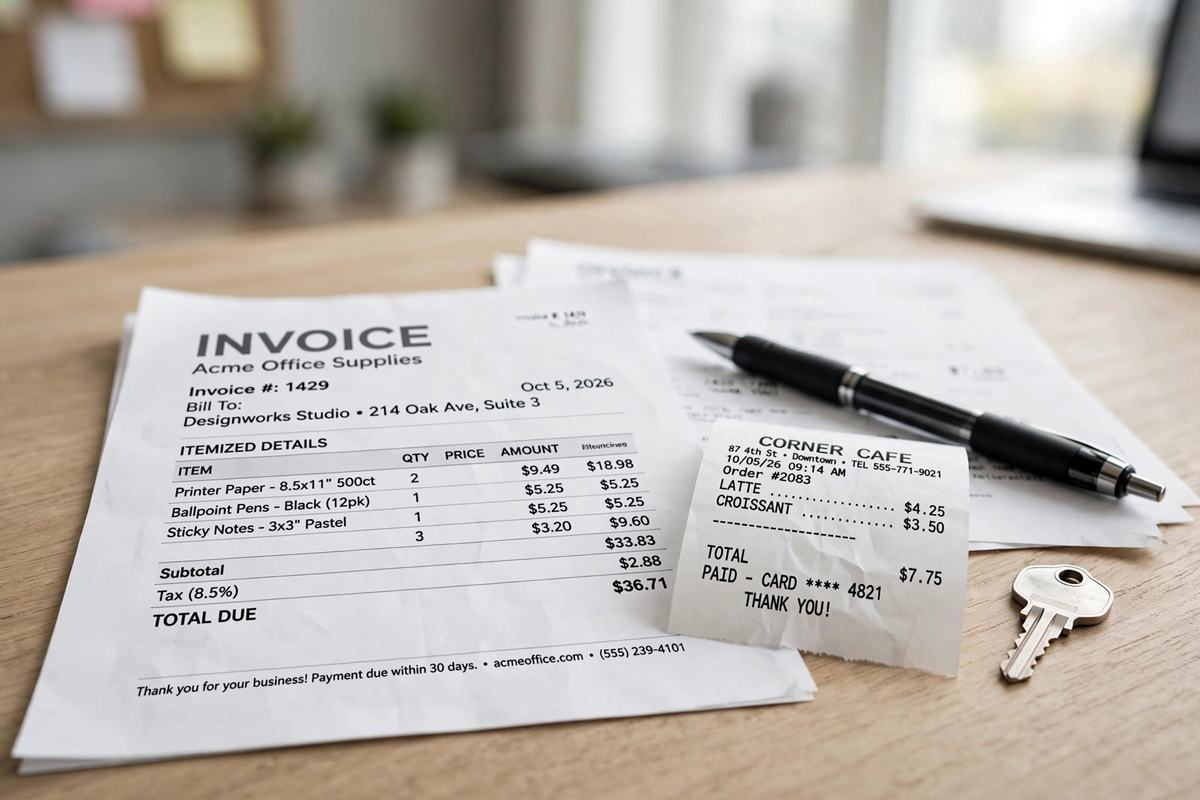
Moving into a new rental always raises the same question after rent: what will utilities actually cost each month? The answer varies more than most renters expect. Some leases roll nearly every utility into the rent, while others leave tenants responsible for every meter and account. Knowing which utilities tenants usually pay helps you budget honestly and compare listings on total monthly cost, not just the rent number.
In this guide, we break down the utilities renters most often pay, explain which ones landlords typically cover, and show you how to read the utilities clause in your lease. You will also learn how to estimate your monthly costs before you sign, so the first round of bills brings no surprises.
The Utilities Tenants Most Often Pay
Across the United States, renters most commonly pay for electricity, gas, water and sewer, trash removal, and internet or cable service. The exact mix depends on the building type, the local market, and what your lease says. Single family homes almost always put every utility on the tenant, while large apartment complexes often split responsibilities more evenly.
Electricity
Electricity is the utility tenants pay most often. It powers your lights, outlets, heating and cooling equipment, and major appliances, and in most states the account must be in the tenant’s name. Setup is usually simple: contact the provider a few days before move in, and they will record a meter reading on your start date so you are billed only for your own usage.
Natural Gas
If your home uses gas for heating, hot water, or cooking, expect a separate gas bill. Gas costs tend to spike in winter in colder states, so ask the landlord or the gas company for the address’s twelve month billing history before you budget. Many providers offer budget billing, which spreads your costs evenly across the year.
Water and Sewer
Water and sewer are commonly paid by tenants in houses and duplexes, and in many apartments too. Some buildings use ratio utility billing, where one master meter is divided among units by square footage or occupancy. Ask how your building calculates the water bill, so you know whether conserving water actually lowers what you pay.
Trash Removal
Trash and recycling service is frequently paid by tenants, especially in single family rentals. In apartment complexes, it is more often included in rent or rolled into a monthly utility fee. Watch for a separate line item called a valet trash fee, which has become common in larger complexes and can add ten to thirty dollars a month.
Internet and Cable
Internet and cable are almost always the tenant’s responsibility. Many complexes sign exclusive provider agreements, so confirm which providers serve the building before you sign your lease. If you work from home, verify the available speeds and whether your specific unit is wired for service.
Which Utilities Do Landlords Usually Cover?
Landlords most often cover water and sewer, trash removal, and common area electricity in multi unit buildings, though practices vary widely by market. In some expensive cities, landlords include heat and hot water to attract tenants, and heat included apartments remain common in older buildings in the Northeast and Midwest. Where a landlord covers a utility, the cost is baked into your rent or listed as a flat monthly utility fee.
Always compare the total monthly cost, rent plus fees plus the utilities you will pay yourself, rather than the rent figure alone. An apartment with higher rent but included utilities is often the cheaper deal once everything is added up. Run the numbers for each listing you are considering before you decide.
How to Read the Utilities Section of Your Lease
Every lease should spell out who pays for what, and this is one section worth reading twice. Look for the paragraph covering utilities, services, and charges, and note any language saying the tenant is responsible for all utilities not expressly included. Before you sign, reading your lease before signing can save you from surprise charges down the road.
Watch for fees that are not labeled as rent, such as monthly billing administration fees, shared utility surcharges, or mandatory service packages. Ask the landlord to confirm each utility by name: electricity, gas, water, sewer, trash, internet, and cable. If a utility is not mentioned in writing, assume you are paying for it.
Common Apartment Utility Billing Methods
Many apartment complexes use submetering, where each unit has its own meter for water or electricity and you pay only for what you use. Others use ratio utility billing systems, known as RUBS, which divide one master bill among units by square footage or number of occupants. Submetering rewards conservation, while RUBS spreads costs evenly but can feel unfair if you use far less than your neighbors.
Some buildings charge a flat monthly utility fee instead, which is simple but removes any incentive to conserve. Ask which method your building uses before you sign, because it determines whether your habits actually change your bill. On a RUBS system, your water charge stays the same no matter how short your showers are.
How to Estimate Your Utility Costs Before Signing
The most reliable way to estimate costs is to ask for history. Call the local utility companies with the address and request the last twelve months of billing history, which many providers will share with a prospective tenant. You can also ask the landlord or the previous tenant what they paid in a typical month, and whether any seasonal spikes surprised them.
As a rough rule of thumb, budget about one hundred to two hundred dollars per month for all utilities in a one bedroom apartment, and more for larger homes or extreme climates. Heating through a cold winter and air conditioning through a hot summer are the biggest cost drivers. If you are renting your first apartment, build a small cushion into your budget for the first few months while you learn your own usage patterns.
Can a Landlord Change Utility Responsibilities Mid-Lease?
In most cases, no. Once you sign a fixed term lease, the utility arrangement is locked in for the duration of the term. A landlord cannot suddenly shift a utility bill to you mid lease unless the lease itself allows it, which is rare and often unenforceable under state law.
The exception is a month to month tenancy, where either party can change the terms with proper written notice, usually thirty days. If your landlord proposes adding a utility fee or moving a utility into your name, get the new arrangement in writing and check your state’s notice requirements first.
Be especially careful with bundled utility fees that appear mid lease. Some landlords replace individually metered billing with a flat monthly fee, which can cost you more if you are a light user. Ask for a breakdown of how the fee was calculated and compare it against your actual bills before agreeing to anything.
Final Thoughts
The utilities tenants usually pay are electricity, gas, water and sewer, trash, and internet, but your actual list depends on your building, your market, and your lease. Read the utilities clause carefully, estimate costs with real billing history, and compare listings by total monthly cost rather than rent alone.
A little homework before you sign turns utilities from a surprise into a line item you control. For more move in help, our move in inspection checklist walks you through documenting your new place before the first bill ever arrives.