Moving is stressful for everyone, but it is especially hard on pets. Animals thrive on routine and familiar surroundings, and a move disrupts both at once. Strange smells, loud noises, open doors, and a brand-new territory can leave even a calm pet anxious, confused, or prone to bolting.
The good news is that a little planning turns a chaotic move into a manageable one. From pre-move preparation to settling into the new place, there are proven steps that keep your pet safe, calm, and comfortable. Here is how to move with pets without losing your mind or your furry companion.
Start Preparing Your Pet Weeks Before the Move
Begin by getting your pet comfortable with the tools of the move. Leave carriers and crates out in the open with treats and bedding inside so your pet associates them with good things. For dogs, practice short car rides if they are not used to traveling. For cats, let them explore the carrier at their own pace over several days.
Schedule a vet visit a few weeks before moving day. Update vaccinations, refill prescriptions, and ask about anti-anxiety options if your pet is a nervous traveler. Get copies of medical records and vaccination certificates, since your new landlord or a new vet will likely ask for them. This is also the right time to confirm your pet’s microchip registration has your current phone number.
Update Your Pet’s Identification
Moving day is one of the most common times for pets to get lost. Doors stay open, routines break down, and frightened animals slip out. Make sure your pet wears a collar with an ID tag showing your cell phone number, and verify that the microchip registration lists your new address once you know it.
Take a current photo of your pet before the move. If the worst happens and your pet escapes in an unfamiliar neighborhood, a recent photo makes it far easier for shelters and neighbors to identify them. Save the photo on your phone and keep a printed copy with your important documents.
Pack a Pet Essentials Kit
Pack a dedicated bag for your pet that travels with you, not in the moving truck. Include enough food and water for several days, bowls, medications, a leash, waste bags or a litter box with litter, favorite toys, bedding, and grooming supplies. Having these within reach means you can feed, walk, and settle your pet immediately on arrival.
Keep this kit accessible during the entire move. Moving days run long, and the last thing you want is your pet’s food buried in a sealed box at the back of a truck. Treat the pet kit with the same priority as your own overnight bag.
Keep Your Pet Safe on Moving Day
The safest place for your pet on moving day is somewhere quiet and away from the action. Ask a friend or family member to watch them, or book a trusted boarding facility or pet sitter for the day. This removes the risk of escape through propped-open doors and spares your pet hours of stress from noise and strangers.
If your pet must be present, confine them to one closed room with a clear sign on the door. Check on them regularly with water, food, and bathroom breaks. Never leave a pet unattended in a vehicle, even briefly, since temperatures inside cars can become dangerous within minutes.
Transporting Pets by Car
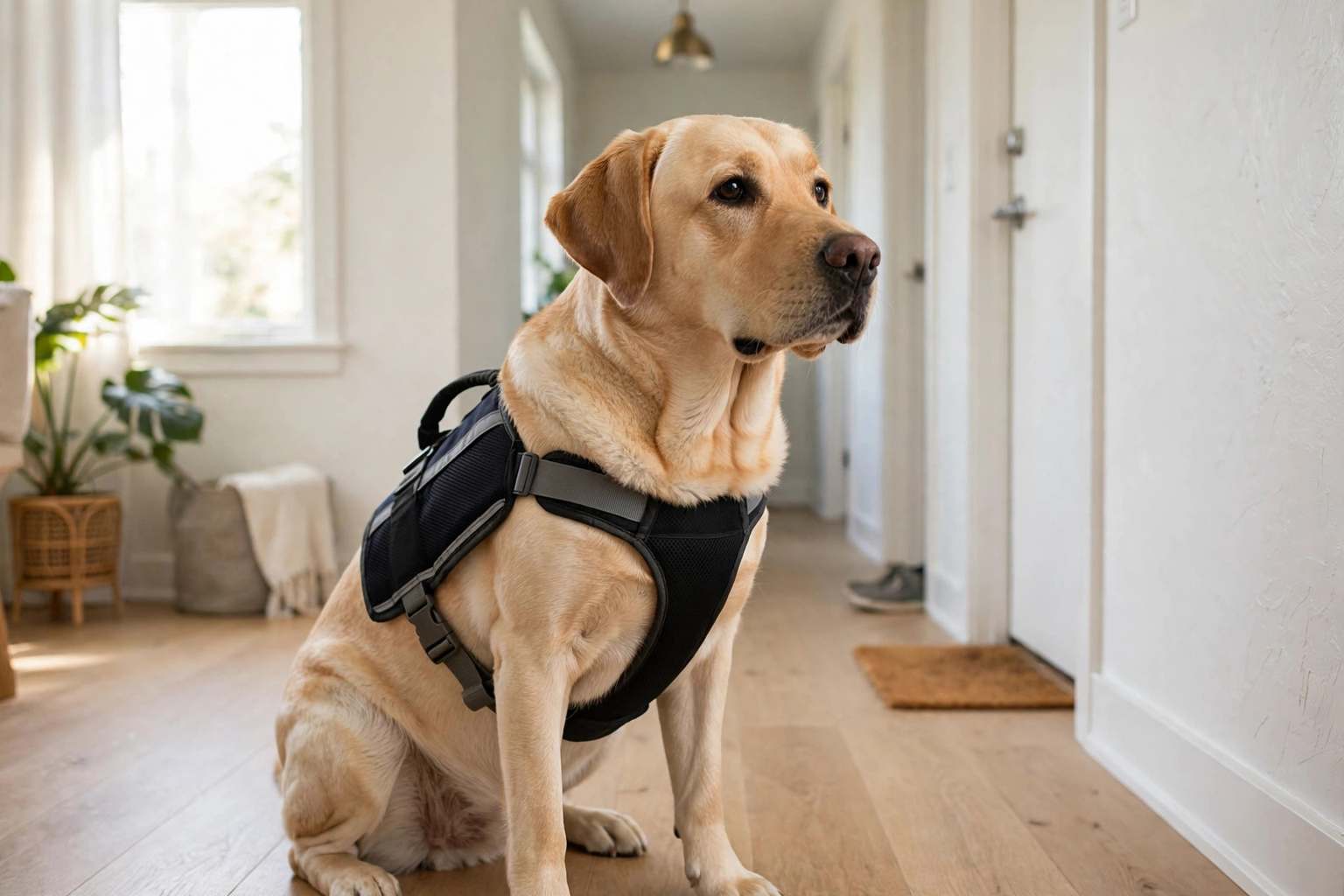
For car travel, secure your pet properly. Cats and small animals should travel in sturdy carriers, while dogs should use a crash-tested harness or a secured crate. Plan for breaks every two to three hours on long drives so your pet can drink water, stretch, and relieve themselves.
Never transport a pet in the bed of a pickup truck or in a trailer with your belongings. Keep the car at a comfortable temperature and avoid feeding a large meal right before a long drive. If you are hiring help for the heavy lifting, our guide to hiring movers covers costs and tips that apply whether or not you have pets.
Pet-Proof Your New Apartment Before They Arrive
Before your pet enters the new place, do a safety walkthrough. Check for hazards like exposed cords, loose window screens, gaps behind appliances, and cleaning products left by previous tenants. Balconies and windows deserve special attention, since a curious pet can slip through openings you might not notice.
This walkthrough pairs naturally with your move-in documentation. Photograph the unit’s condition for your records, and use our move-in inspection checklist to make sure nothing gets missed. Protecting your pet and protecting your security deposit are both easier when the unit is documented from day one.
Help Your Pet Settle Into the New Home
Set up a small, familiar zone first. Place your pet’s bed, toys, and food in one room before opening up the rest of the apartment. Familiar smells from unwashed bedding help the new space feel like home. Let your pet explore gradually rather than giving them the run of the place immediately.
Stick to your normal routine as closely as possible. Feed, walk, and play at the usual times, since routine is the fastest cure for relocation anxiety. Consider using a familiar blanket or an item of your worn clothing in their bed, since your scent is deeply comforting. Expect some adjustment behaviors like hiding, reduced appetite, or extra clinginess in the first few days. These usually fade within a week or two as the new home starts to feel familiar.
Introducing Pets to New Neighbors and Rules
Learn your building’s pet rules right away, including leash requirements, designated relief areas, and quiet hours. Introduce yourself and your pet to nearby neighbors, since a friendly first impression makes future interactions much smoother. If your dog is vocal, work on quiet training early before complaints start.
Update Records After the Move
Once you are settled, update your pet’s records with the new address. This includes the microchip registry, your vet’s files, pet license with the city or county, and pet insurance if you carry it. An outdated address on a microchip can delay a reunion if your pet ever gets lost.
Find a new veterinarian near your apartment and transfer records promptly so there is no gap in care. Ask your old vet for a recommendation or check reviews online. A first checkup in the new city is also a good chance to ask about local concerns like regional parasites or required vaccinations.
Also work through the standard post-move tasks like utilities and address changes. Our change of address guide covers the full checklist so nothing slips through the cracks.
Final Thoughts
Moving with pets takes extra planning, but every step is straightforward. Prepare your pet in advance, pack an essentials kit, keep them safe and away from moving-day chaos, pet-proof the new place, and help them settle with familiar routines. Update their identification and records once you arrive.
Your pet does not understand why their world is changing, but they will follow your lead. A calm, prepared owner makes for a calm, comfortable pet, and that makes the new apartment feel like home for everyone much sooner. Plan ahead, stay patient through the adjustment period, and enjoy settling in together.