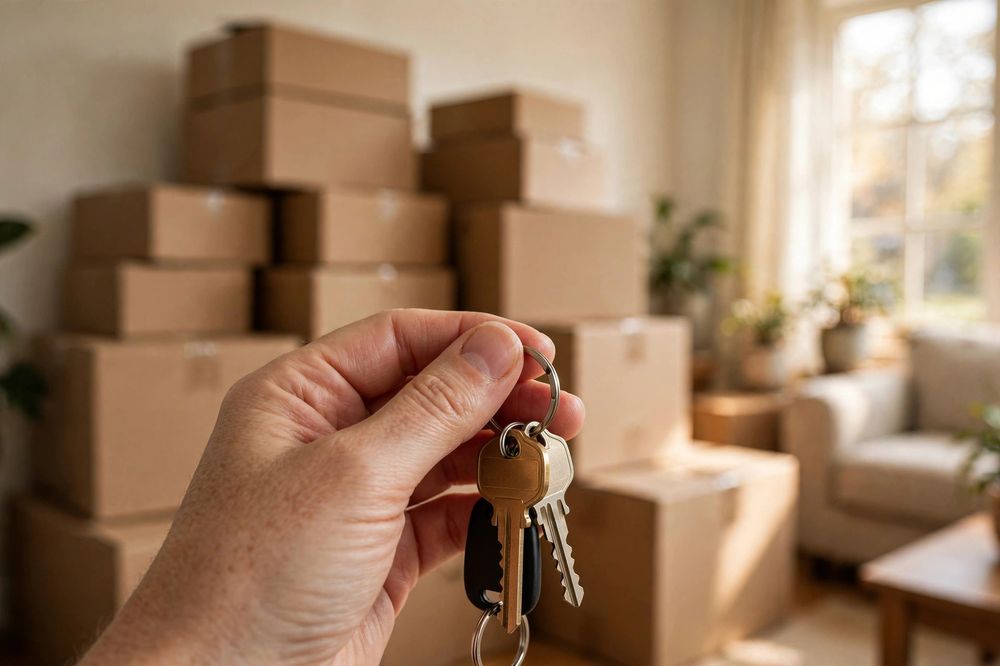
Nothing ruins move in day like arriving at a dark apartment with no hot water and no internet. Utility setup is one of those tasks that feels small until it goes wrong, and then it colors your entire first week. The good news is that it is straightforward once you know which accounts to open and in what order.
This guide walks you through setting up every utility in a new apartment, from electricity and gas to internet and trash. Follow the timeline below and you will walk into a fully powered, connected home on day one.
Start With a Utilities Checklist
Before you call anyone, find out exactly which utilities are your responsibility. Check your lease for the utilities clause and ask your landlord or property manager to confirm the list by name. In many apartments, water, sewer, and trash are covered, while electricity, gas, and internet are on you. Never assume, because the mix changes from building to building.
Once you have your list, gather the local providers for each service. Your landlord can usually tell you who supplies electricity, gas, water, and internet to the building. Some complexes have exclusive provider agreements, so this step also prevents you from signing up with a company that cannot serve your address. Add utility setup to your moving day checklist about two weeks before the move.
Electricity: Transfer or Open a New Account
Electricity is the first utility to arrange, because almost everything else depends on it. If you are moving within the same provider’s service area, you can usually transfer your existing account to the new address with a phone call or an online form. If you are new to the area, you will open a brand new account.
Schedule the start date for your move in day, or one day earlier so the power is on when you arrive with boxes. The provider will take a meter reading to establish your baseline. Ask whether a deposit is required; many companies waive it for customers with good payment history, while new customers may pay a deposit that is refunded after a year of on time payments.
Gas Service Setup
If your apartment uses gas for heating, hot water, or the stove, set up gas service on the same timeline as electricity. The process is similar: call the local gas utility, provide your new address and move in date, and they will open the account. In some buildings, gas service to individual units must be activated by a technician visit, so schedule early.
Ask about budget billing or level payment plans, which spread your gas costs evenly across the year instead of hitting you with huge winter bills. If your unit has a gas stove, make sure the landlord shows you how to light the pilot or operate the ignition safely before you need it.
Water and Sewer
In many apartment complexes, water and sewer are included in the rent or billed through the property manager, so you may not need to do anything. Check your lease to confirm. If water is your responsibility, contact the municipal water department or the local water authority to open an account in your name.
Water setup is usually quick and can often be done online. Some cities require an in person visit or a deposit for new accounts. When you change your address after moving, remember that water is one of the accounts people most often forget to transfer, which can lead to shutoff notices at the old place or no service at the new one.
Internet and Cable: Book the Install Early
Internet setup takes the longest lead time of any utility, so start early. Confirm which providers serve your building, compare plans and speeds, and schedule the installation at least one to two weeks before move in. Technician appointments fill up fast, especially at the start of the month when most leases turn over.
If you work from home or stream heavily, choose a plan with enough speed and check whether the building’s wiring supports it. Ask the provider whether you need their modem and router or can use your own, since rental equipment fees add up. Some complexes offer bulk internet included in the rent, so verify before you buy a separate plan.
On installation day, make sure someone is home during the appointment window and that the technician can access utility closets or panels. Test the connection in every room before the technician leaves, since fixing dead zones later means another appointment.
Trash and Recycling
Trash service is usually arranged by the landlord or included in rent at apartment complexes. If it is your responsibility, which is more common in duplexes and single family rentals, contact the city’s sanitation department or a private hauler. Find out the pickup days, what containers you need, and the rules for recycling and bulk items.
Ask about any separate fees, such as a monthly cart rental or a bulky item pickup charge. Knowing the schedule before move in day saves you from a pile of boxes sitting on the curb on the wrong day.
Deposits, Credit Checks, and Fees
Most utility companies run a soft credit check when you open an account. Customers with limited or poor credit history may be asked for a deposit, typically one to two months of estimated bills. These deposits are usually refundable after twelve months of on time payments, sometimes with interest.
Watch for one time setup or connection fees, which can range from twenty to seventy five dollars per utility. Budget for these alongside your moving costs so they do not surprise you. Keep a list of every account number, customer service number, and login you create, since you will need them again when you eventually move out.
Common Setup Mistakes to Avoid
The most common mistake is starting too late. Electricity and gas can often be connected within a day or two, but internet installations can take weeks. Begin the process two weeks before move in day at the latest, and earlier if you are moving at the start of a month.
Another frequent error is forgetting to close accounts at the old address. Schedule the shutoff for the day after you move out, not the day of, so you have power and water for final cleaning. Request final meter readings at both addresses and keep the confirmation numbers. Finally, do not skip the renter’s insurance step; many landlords require proof of coverage before handing over the keys.
It also pays to photograph your meters on move in day. A quick photo of the electric and gas meter readings gives you proof of your starting point if the first bill looks wrong. Store the photos with your lease documents so you can find them months later when you need them.
Final Thoughts
Setting up utilities in a new apartment is simple when you work from a checklist and start early. Confirm which services are your responsibility, open electricity and gas accounts first, book internet installation two weeks out, and close your old accounts on a sensible timeline.
Once the lights are on and the wifi is running, protect your new home by documenting its condition. Our move in inspection checklist shows you exactly what to photograph and record before you unpack, so your security deposit is safe from day one.