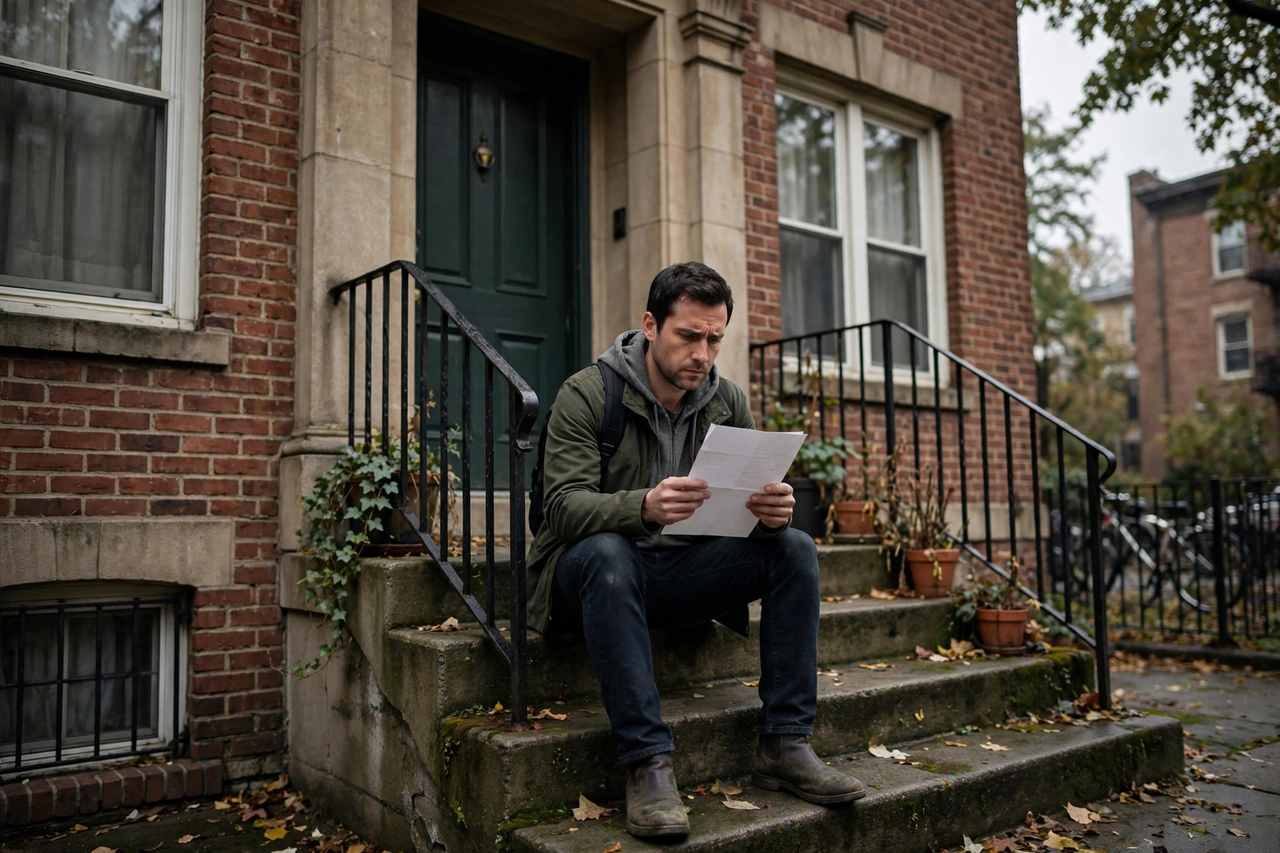
Moving off campus is a rite of passage for many college students. It promises more space, fewer rules, and a break from dorm life. It also hands you a legal contract, monthly bills, and responsibilities that no resident advisor will manage for you.
This guide covers what students need to know before signing an off-campus lease. From timing your search to handling roommates and understanding your rights, these are the practical steps that turn a first rental into a good experience instead of a costly mistake.
Start Your Search Early
In college towns, the best off-campus housing goes fast. Landlords near popular campuses often start signing leases for the next school year as early as fall or winter, sometimes nine to twelve months ahead. If you wait until summer, you will be choosing from leftovers at higher prices.
Begin by deciding what matters most. Proximity to campus, a bus line, or a grocery store can matter more than square footage once classes start. Set a firm budget that includes rent plus utilities, internet, and parking, and be honest about what you can afford for the full lease term, including summer months when you may not be in town.
Tour in person whenever possible, and bring a checklist. Test the water pressure, check that windows lock, look for signs of mold or pests, and ask about heating costs in winter. Older houses near campuses are charming but can carry brutal utility bills, so ask the landlord for average monthly costs before you fall in love with a place.
Bring a parent or trusted adult to the tour if you can, especially if it is your first time renting. A second pair of eyes catches problems excitement misses, and an experienced renter knows which questions to ask the landlord. If no one can come, take photos and video of everything so someone else can review the unit with you.
Understand Student-Friendly Lease Structures
Many college-area landlords use 12-month leases even though the school year is nine months long. That means you are paying for June, July, and August whether you live there or not. Some landlords offer nine-month or ten-month leases at a higher monthly rate, which can still save money overall if you will not be around in summer.
Individual leases are common in student housing complexes. Each roommate signs a separate lease for their own bedroom, so you are not responsible if a roommate stops paying. Compare this carefully with joint leases, where every signer is responsible for the full rent if someone defaults. The difference matters enormously when roommate situations fall apart.
Ask about lease start and end dates, and whether the landlord offers any flexibility around graduation or study-abroad semesters. A lease that locks you in with no exit options can become expensive fast. Weigh your choices with a clear look at month-to-month vs fixed lease tradeoffs, even if most student leases are fixed term.
Handle the Guarantor Requirement
Most landlords will not rent to a student without proof of income, so they require a guarantor, usually a parent. A guarantor promises to pay the rent if you do not, and landlords typically require the guarantor to earn three to four times the monthly rent. The guarantor will sign a separate agreement and undergo their own credit check.
Some students use a co-signer instead, which is a different legal role with different obligations. Before anyone in your family signs, make sure they understand exactly what they are agreeing to. The comparison in lease guarantor vs co-signer explains the distinction clearly, and it is worth reading together with your guarantor.
If no family member can serve as a guarantor, ask the landlord about alternatives. Some accept a larger security deposit, prepaid rent, or a third-party guarantor service for a fee. These options cost more upfront but can open doors when family support is not available.
Choose Roommates Carefully
Your roommates will affect your grades, your sleep, and your finances. Choose people whose habits you actually know, not just friends you like. Talk honestly before signing about cleaning standards, overnight guests, quiet hours during exams, and how bills get split.
Put the roommate agreement in writing, even if it feels awkward. A simple written agreement covering rent splits, utility shares, cleaning duties, guest rules, and what happens if someone wants to leave early prevents most roommate conflicts. It does not need to be a formal legal document to be useful, but everyone should sign it.
Decide in advance how you will handle a roommate who stops paying. On a joint lease, the landlord can come after the remaining roommates for the missing share, which destroys friendships fast. Knowing the plan before it happens, including whether anyone can find a replacement, keeps a money problem from becoming a legal one.
Know What the Landlord Must Provide
Student or not, you have the same tenant rights as any other renter in your state. The landlord must provide a habitable unit with working heat, hot water, plumbing, and safe electrical systems. Cosmetic issues are your problem, but anything affecting health or safety is the landlord’s legal duty to fix.
Learn the repair request process for your building. Most leases require written requests, and landlords generally have a reasonable time to respond depending on the severity. Document every request with dates and photos. A clear record of landlord obligations in a lease helps you push back effectively when maintenance stalls.
Never let a landlord talk you out of your rights because you are a student. Security deposit rules, notice requirements before entry, and anti-retaliation protections apply to you fully. If a landlord refuses essential repairs, your state likely gives you specific remedies, and the campus legal clinic is often a free resource worth using.
Plan for Summer and Lease End
Decide what happens to your unit over the summer long before May arrives. If you have a 12-month lease and will not be in town, subletting can recover some of the cost. Check your lease first, since many require written landlord approval before you sublet. A proper sublease agreement protects both you and the person moving in.
Read the move-out terms as carefully as the move-in terms. Most leases require 30 to 60 days of written notice before the lease ends, and missing the deadline can trigger automatic renewal or extra rent. If you plan to stay for another year, confirm the renewal terms and any rent increase in writing rather than assuming nothing changes.
Leave the unit in the condition you found it, minus normal wear. Clean thoroughly, repair small damage you caused, and photograph everything. Landlords in college towns process hundreds of deposits each summer, and tenants who document condition and follow the checklist get their money back far more often. Also confirm how long you can stay after the lease expires, since overstaying even a few days can create holdover rent charges.
If you need storage over the summer, compare the cost of a small storage unit against the cost of keeping the lease. Sometimes paying for three empty months is still cheaper than moving everything twice, but often a storage unit plus a sublet arrangement wins. Run the actual numbers for your situation instead of deciding on instinct.
Final Thoughts
Renting off campus teaches lessons no classroom covers, and most of them are good ones. Start early, read the lease line by line, choose roommates with your eyes open, and treat the guarantor conversation with your family seriously. The students who run into trouble are rarely the ones who prepared.
Keep copies of everything you sign, communicate in writing, and learn your state tenant rights before you need them. Do that, and off-campus living becomes what it should be: more independence, more space, and a real step toward adult life.