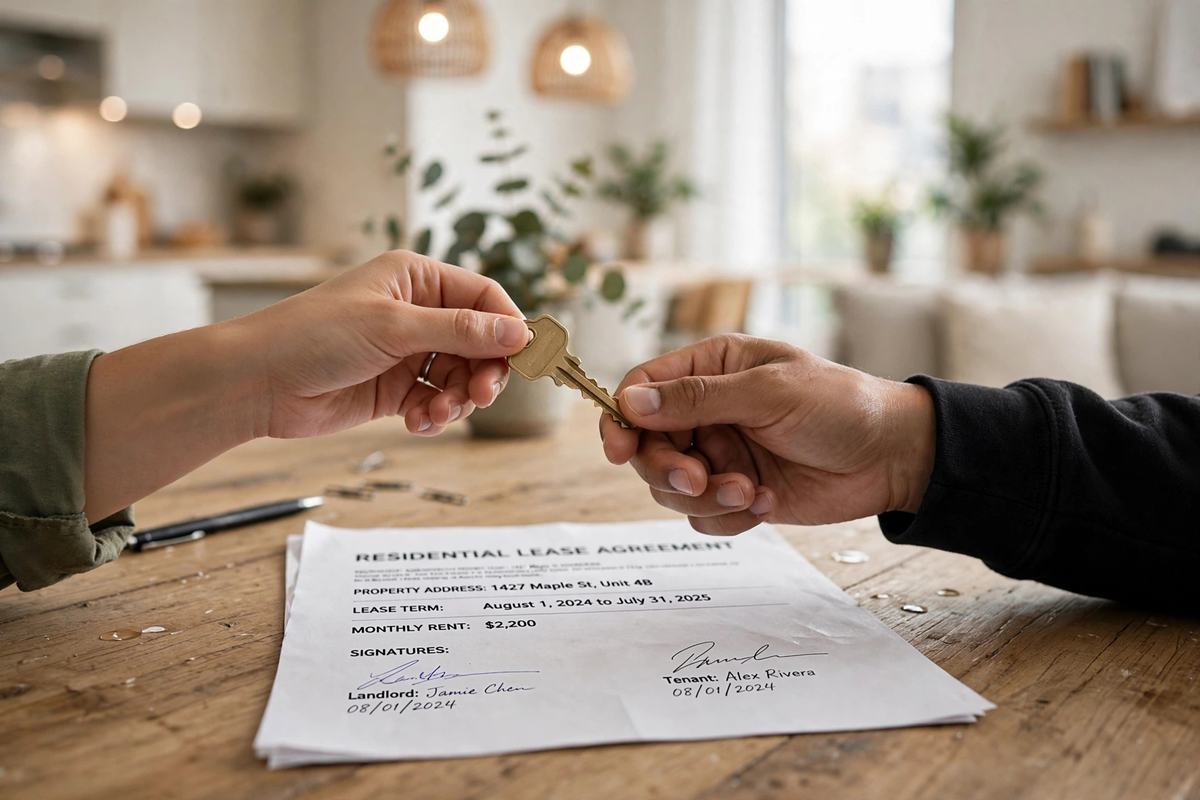
Learning that your landlord is facing foreclosure is unsettling. You signed a lease, you pay rent on time, and suddenly the building you live in could change hands. The good news is that federal law gives tenants real protections in this situation, and foreclosure does not automatically mean you have to move.
This guide explains what foreclosure means for renters, which rights protect you, and the practical steps to take from the first rumor through the sale. Knowing the rules keeps you from being pushed out by someone who has no legal right to do so.
How Foreclosure Affects Your Lease
Foreclosure is a legal process where a lender takes back a property because the owner stopped paying the mortgage. It happens in stages, and it can take months or even years depending on the state. During most of that time, your landlord still owns the building and your lease remains fully in effect.
The key protection for tenants is the federal Protecting Tenants at Foreclosure Act. Under this law, a buyer who purchases a foreclosed property must generally honor your existing lease through its end date. You cannot simply be told to leave because ownership changed. Learn the basics of whether a landlord can cancel a lease agreement so you can spot the difference between a legal termination and an empty threat.
There is one major exception. If the buyer intends to move into the unit as their primary residence, they can terminate your lease with 90 days of written notice. Even then, the 90-day notice is a minimum, and state or local laws may give you more time. Month-to-month tenants in a foreclosure sale are also entitled to at least 90 days of notice before they must leave.
Keep Paying Rent to the Right Party
One of the most common mistakes tenants make during foreclosure is stopping rent payments. Until a court or a legal notice tells you otherwise, keep paying rent exactly as your lease requires. Skipping payments gives whoever ends up owning the building grounds to evict you for nonpayment, which would destroy the protections you have.
Watch for official notices about where to send rent. After a foreclosure sale, the new owner or their property manager should notify you in writing with payment instructions. If you receive conflicting instructions from the old landlord and a new party, ask for the court documents or deed proving the transfer before you change where your money goes.
Keep meticulous payment records during this period. Save bank statements, money order receipts, and copies of every check. If ownership is disputed, you may need to prove you paid, and tenants with clean records are far harder to push out. Never pay rent in cash without a signed receipt while the situation is uncertain.
Watch for Warning Signs Early
Foreclosure rarely arrives without warning. Maintenance that suddenly stops, a landlord who becomes unreachable, utility shutoff notices addressed to the owner, or certified letters from a bank are all signals worth taking seriously. If neighbors mention similar problems, compare notes.
You can check public records yourself. Foreclosure filings are public documents, and most county recorder or court websites let you search by property address. A notice of default or a scheduled auction date tells you exactly where things stand and how much time you likely have.
Do not confront your landlord aggressively, but do ask direct questions in writing. Ask whether the mortgage is current and who to contact about urgent repairs. Written questions create a record, and the answers, or the lack of them, help you plan. If repairs stop because the landlord has checked out, document every unaddressed problem with dates and photos.
Deal With the New Owner
After the sale, the new owner steps into the landlord’s shoes. Your lease terms, including the rent amount, carry over. The new owner cannot raise your rent mid-lease, change the rules unilaterally, or demand that you sign a new lease on worse terms. Any changes must wait until your current lease expires or be agreed to in a proper lease addendum or amendment that you sign voluntarily.
Some new owners will offer cash for keys, a lump sum payment in exchange for you moving out early and leaving the unit in good condition. This is a negotiation, not an order. If the amount covers your moving costs, deposit on a new place, and the hassle, it can be a reasonable deal. If it does not, you have the right to stay through your lease term.
Get everything in writing. If the new owner makes promises about repairs, rent amounts, or move-out payments, confirm them by email before you act. Verbal promises during an ownership transition have a way of being forgotten, and you need documentation if a dispute ends up in front of a judge.
Protect Your Security Deposit
Security deposits get messy during foreclosure. Legally, your deposit should transfer to the new owner along with the property, and the new owner becomes responsible for returning it when you move out. In practice, deposits sometimes vanish when a distressed landlord empties accounts before the sale.
Gather your proof now, before anything changes hands. Find your lease showing the deposit amount, plus bank statements or receipts proving you paid it. Photograph the unit’s condition thoroughly. If the new owner later claims they never received your deposit, your paperwork is what makes your claim stick.
If the deposit is truly lost, you still have options. Many states let tenants sue a former landlord in small claims court for the deposit, and some allow claims against the new owner. A local tenant rights organization or legal aid office can tell you which path fits your state’s rules.
Know When to Get Help
Not everyone involved in a foreclosure plays by the rules. Watch for illegal pressure tactics: utility shutoffs, lock changes, removal of your belongings, or threats meant to scare you out. These are illegal self-help evictions in nearly every state. Only a court order can force you to leave, and you have the right to defend yourself in that process.
If someone shows up claiming to be the new owner and demands you leave immediately, ask for proof of ownership and put all communication in writing. Do not sign anything under pressure. A legitimate buyer with legal rights will follow the notice process, and anyone skipping it is counting on you not knowing the law.
Free help is available. Legal aid societies, tenant unions, and housing counselors handle foreclosure-tenant cases routinely, and many offer free consultations. If you receive any court papers, respond by the deadline on the documents. Ignoring a legal notice is the fastest way to lose rights you otherwise would have kept. Understanding holdover tenant rules and landlord obligations rounds out the knowledge you need to stand your ground lawfully.
Final Thoughts
A landlord’s foreclosure is their financial problem, not an eviction notice for you. Federal law protects your lease through a sale in most cases, and even when it does not, you are entitled to proper notice and a lawful process. Panic helps no one, but preparation helps a lot.
Keep paying rent, keep your records organized, learn your rights, and get everything in writing. If the new owner honors the lease, you may barely notice the change. If they do not, you will have the documentation and the legal standing to protect yourself every step of the way.