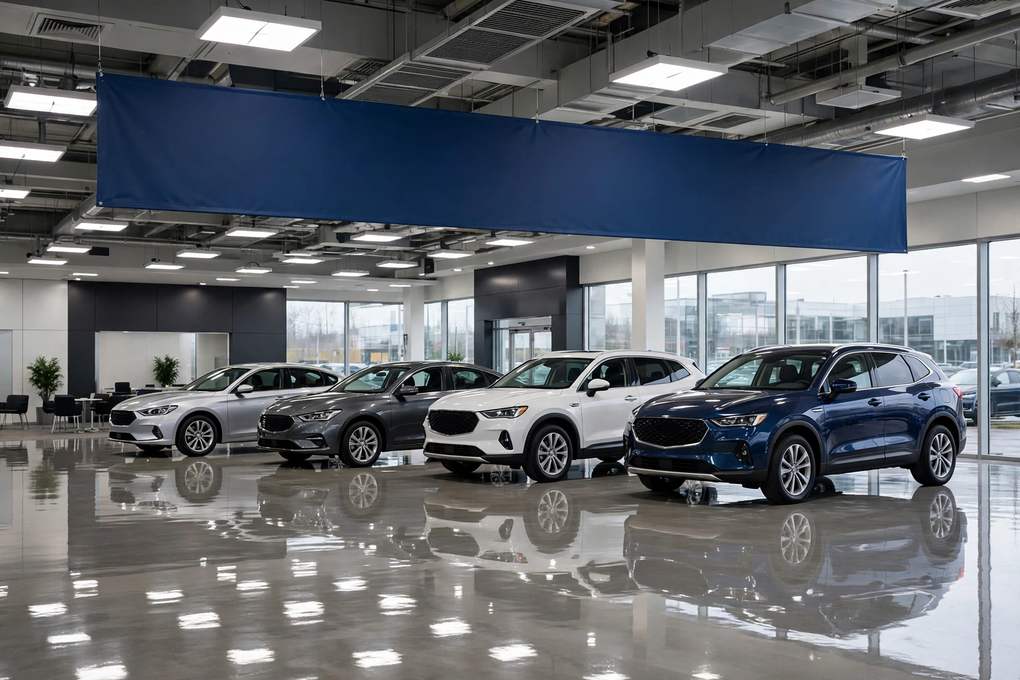
When a business needs a new commercial property, it typically has two choices: lease a property that has already been built or work with a developer to create a building specifically for its needs.
A prebuilt property is an existing building that is already constructed and available for sale or lease. A build-to-suit property, on the other hand, is designed and developed specifically for a particular tenant.
Both options have advantages and disadvantages. A prebuilt property can allow a business to move in quickly and avoid the lengthy development process. A build-to-suit property offers greater customization but usually requires a longer commitment and more planning.
The better choice depends on the company’s budget, timeline, location requirements, and long-term plans.
Build-to-Suit vs. Prebuilt Properties at a Glance
| Feature | Build-to-Suit | Prebuilt Property |
|---|---|---|
| Building | Custom-designed for tenant | Already constructed |
| Customization | High | Limited to available features and improvements |
| Move-in time | Usually longer | Usually faster |
| Construction | Required | Already completed |
| Upfront planning | Extensive | Generally simpler |
| Lease term | Often long-term | Can vary |
| Flexibility | High during design | Depends on existing property |
| Cost predictability | Can change during construction | Generally easier to estimate |
| Best for | Specialized requirements | Speed and flexibility |
These are general comparisons. The actual costs, timelines, and responsibilities depend on the property and transaction.
What Is a Build-to-Suit Property?
A build-to-suit property is a commercial building developed specifically for a particular tenant.
The tenant works with a landlord or developer to establish the property’s requirements before construction begins.
The project may be designed around:
- Building size
- Floor plan
- Parking
- Loading areas
- Office space
- Storage
- Electrical requirements
- Technology infrastructure
- Equipment
- Interior finishes
- Specialized business operations
For example, a distribution company may need a warehouse with specific ceiling heights, loading docks, truck access, storage systems, and office areas.
Instead of searching for an existing warehouse and modifying it, the company could enter into a build-to-suit arrangement and have a facility constructed specifically around its operations.
What Is a Prebuilt Property?
A prebuilt property is an existing commercial property that has already been constructed.
The building may be vacant and ready for a new tenant, or it may be occupied and become available when the existing lease ends.
Prebuilt properties can include:
- Office buildings
- Warehouses
- Retail stores
- Restaurants
- Industrial facilities
- Medical buildings
- Mixed-use properties
The tenant generally chooses from the properties already available in the market.
The main advantage is that the business doesn’t have to wait for an entire building to be designed and constructed.
The Main Difference Between Build-to-Suit and Prebuilt Properties
The biggest difference is customization versus speed.
A build-to-suit property is created around the tenant’s requirements.
A prebuilt property already exists, so the tenant generally has to adapt its operations to the building’s existing layout.
For example:
Build-to-suit: “Design the building around my business.”
Prebuilt: “Find an existing building that works for my business.”
This distinction can affect everything from the move-in timeline to the lease term and total cost.
Build-to-Suit vs. Prebuilt: Cost
Cost is one of the most important factors when comparing the two options.
There isn’t necessarily a cheaper choice for every business.
A prebuilt property may have lower development costs for the tenant because the building has already been constructed. However, the tenant may need to spend money modifying the property.
Those modifications could include:
- Interior renovations
- New walls
- Electrical work
- Plumbing
- Flooring
- Lighting
- Equipment installation
- Technology infrastructure
- Branding
A build-to-suit property may have higher development costs because it is customized from the beginning.
However, the tenant may be able to avoid paying for unnecessary features or expensive modifications to an existing building.
The best comparison is therefore the total cost of occupying each property over the expected lease term.
Build-to-Suit vs. Prebuilt: Move-In Time
If speed is important, a prebuilt property generally has an advantage.
An existing building may be available for occupancy relatively quickly once the lease is signed and any necessary improvements are completed.
A build-to-suit project requires significantly more time.
The process can include:
- Finding a suitable site
- Negotiating the transaction
- Designing the property
- Obtaining permits
- Financing the development
- Preparing the site
- Constructing the building
- Completing inspections
- Installing equipment
- Preparing the property for occupancy
The timeline can extend considerably depending on the size and complexity of the project.
For a business that needs space immediately, waiting for a build-to-suit facility may not be practical.
Build-to-Suit vs. Prebuilt: Customization
Customization is where build-to-suit properties have a major advantage.
A business can design the property around its operations rather than trying to fit into an existing layout.
For example, a manufacturer may require specialized production areas, power systems, ventilation, storage, and equipment placement.
A prebuilt property may not have these features.
A build-to-suit project allows these requirements to be incorporated into the original design.
However, customization also adds complexity.
Every additional specification can affect the development budget and construction timeline.
Advantages of Build-to-Suit Properties
Designed Around the Business
The property can be customized to the tenant’s operational requirements.
This can improve the way employees, equipment, inventory, customers, or vehicles move through the facility.
Greater Long-Term Fit
A properly designed facility may serve the business better than an existing building that requires compromises.
Reduced Need for Major Renovations
Because the building is designed for the tenant from the beginning, fewer major modifications may be needed after construction.
Potentially Better Operational Efficiency
A custom layout can be designed around the company’s workflow.
For a warehouse or manufacturing facility, this can be particularly important.
Disadvantages of Build-to-Suit Properties
Longer Development Timeline
The tenant may need to wait months or even years before occupying the completed property.
Long-Term Commitment
Build-to-suit arrangements often involve long-term leases because the developer needs sufficient time to recover the cost of constructing the specialized property.
Construction Risk
Delays, cost increases, permitting issues, and design changes can affect the project.
Less Flexibility if Circumstances Change
If the tenant’s business changes significantly after construction, the highly customized property may no longer meet its needs.
Advantages of Prebuilt Properties
Faster Occupancy
The building already exists, so the tenant can often move in much sooner.
Easier Comparison
Businesses can physically inspect multiple properties before choosing one.
Lower Development Risk
The tenant doesn’t have to wait for an entire building to be constructed.
Greater Short-Term Flexibility
Existing properties may offer different lease lengths and configurations, depending on the market.
Known Physical Property
The tenant can see the actual building, parking, access, layout, and surrounding area before committing.
Disadvantages of Prebuilt Properties
Limited Customization
The building’s basic structure is already established.
Potential Renovation Costs
A business may have to spend money modifying the property to meet its needs.
Compromises
The ideal location may not have the ideal building, or the ideal building may not be in the preferred location.
Existing Design Limitations
Some changes may be too expensive or technically difficult to make.
Build-to-Suit vs. Prebuilt for Warehouses
The choice can be particularly important for industrial and logistics businesses.
A prebuilt warehouse may already have useful features such as:
- Loading docks
- Truck access
- High ceilings
- Warehouse space
- Office areas
- Parking
If those features meet the company’s requirements, leasing an existing facility can be the fastest solution.
However, businesses with specialized distribution or manufacturing requirements may benefit from a build-to-suit facility.
For example, a company that needs a highly specific combination of warehouse automation, refrigeration, loading configuration, and employee facilities may find it difficult to locate an existing building that meets all its requirements.
Build-to-Suit vs. Prebuilt for Retail
Retail businesses often need to consider visibility, traffic, parking, signage, access, and store layout.
A prebuilt retail property can be attractive when it is located in a strong commercial area and already has the necessary infrastructure.
A build-to-suit can be useful when a retailer has a standardized store design and wants the building to match its specific operating model.
For example, a retailer may want a particular combination of sales floor space, storage, customer parking, loading access, and drive-through facilities.
Build-to-Suit vs. Prebuilt for Office Space
For office users, the choice often depends on the company’s size, culture, and operational requirements.
A prebuilt office can be remodeled to provide:
- Private offices
- Conference rooms
- Open workspaces
- Break rooms
- Reception areas
However, extensive renovations can become expensive.
A build-to-suit office can be designed from the beginning around the company’s preferred layout.
This can be especially useful for large companies establishing a headquarters or major regional office.
How Lease Terms Differ
Build-to-suit properties often involve longer lease terms than prebuilt properties.
The reason is straightforward: the landlord or developer may invest substantial capital to construct a property specifically for one tenant.
A long lease provides a longer period over which the developer can recover that investment.
Prebuilt properties may offer more variety in lease terms, depending on the landlord and market.
However, there is no universal lease term for either option.
The tenant should consider not only the initial lease term but also:
- Renewal options
- Rent increases
- Termination provisions
- Assignment rights
- Subleasing
- Expansion rights
- Purchase options
Who Pays for Construction?
In a build-to-suit transaction, the developer or landlord commonly funds and manages the construction.
The tenant provides the specifications and agrees to lease the completed property.
The development costs are generally reflected in the rent and overall economics of the transaction.
The tenant may also contribute money toward specialized improvements or changes beyond the agreed specifications.
With a prebuilt property, construction of the basic building has already been completed.
The tenant may still negotiate a tenant improvement allowance with the landlord to pay for certain modifications.
Build-to-Suit vs. Prebuilt and Tenant Improvements
Tenant improvements can make a prebuilt property more competitive with a build-to-suit.
For example, suppose a company finds an existing office that is in the perfect location but has an unsuitable layout.
The landlord might provide a tenant improvement allowance that allows the company to renovate the interior.
The business could then get many of the features it wants without waiting for an entirely new building.
However, structural changes may still be difficult or expensive.
This is one reason businesses should distinguish between cosmetic improvements and major structural customization.
Which Option Has More Financial Risk?
Both options carry financial risks, but the risks are different.
Build-to-Suit Risks
A build-to-suit project can involve:
- Construction delays
- Cost overruns
- Design changes
- Financing issues
- Permitting delays
- Long-term lease commitments
Prebuilt Property Risks
A prebuilt property can involve:
- Unexpected renovation costs
- Building limitations
- Maintenance issues
- Inadequate capacity
- Higher modification costs
- Compromises in location or layout
The right choice depends on which risks the business is better positioned to manage.
Which Is Better for a Growing Business?
A growing business should think carefully before committing to a highly specialized facility.
A build-to-suit property can be excellent if the company has predictable long-term space requirements.
However, if the business expects rapid growth or significant changes in its operations, a highly customized long-term lease could become restrictive.
A prebuilt property may offer more flexibility, particularly if the company can lease additional space or move to a larger facility later.
Businesses should consider their expected space requirements several years into the future rather than designing only for today’s needs.
Which Is Better for a Business With Specialized Needs?
A build-to-suit property is often more attractive when the business has requirements that are difficult to satisfy in existing buildings.
Examples include:
- Manufacturing facilities
- Distribution centers
- Medical facilities
- Research facilities
- Specialized retail
- Data-intensive operations
- Large corporate headquarters
If the required features are highly specialized, modifying an existing building may be less practical than constructing a new one.
Which Is Better for a Business That Needs Space Quickly?
A prebuilt property is generally the better option when speed is the priority.
An existing building can potentially be occupied after relatively minor modifications.
A build-to-suit project requires design, permitting, construction, and inspections.
If a company has an urgent expansion deadline, the development timeline may make build-to-suit impractical.
How to Choose Between Build-to-Suit and Prebuilt
Before making a decision, consider the following questions:
How quickly do you need the property?
If you need space soon, start by looking at existing properties.
How specialized are your requirements?
The more specialized your needs, the more attractive a build-to-suit project may become.
How long will you occupy the property?
A build-to-suit generally makes more sense when you expect to remain in the location for a long time.
How much customization do you need?
If relatively minor modifications are sufficient, a prebuilt property may be more practical.
What is your total budget?
Compare the complete cost of each option rather than just the advertised rent.
How quickly is your business changing?
Rapidly changing businesses may benefit from greater flexibility.
Build-to-Suit vs. Prebuilt: Total Cost Comparison
When comparing the two options, don’t focus only on monthly rent.
Calculate the expected total occupancy cost.
Consider:
- Base rent
- Rent increases
- Construction costs
- Tenant improvements
- Property taxes
- Insurance
- Maintenance
- Utilities
- Financing costs
- Moving expenses
- Equipment installation
- End-of-lease costs
A prebuilt property with lower rent may require significant renovations.
A build-to-suit property may have higher rent but require fewer tenant-funded improvements.
The cheapest option on paper isn’t necessarily the cheapest option for the business.
Frequently Asked Questions
What is the difference between build-to-suit and prebuilt properties?
A build-to-suit property is designed and constructed specifically for a particular tenant. A prebuilt property already exists and is leased or purchased by the tenant as-is, subject to any agreed renovations.
Is build-to-suit more expensive than an existing property?
Not necessarily. A build-to-suit project can have higher development costs, but an existing property may require substantial renovations. Compare the total cost of each option over the expected occupancy period.
Is a build-to-suit lease usually longer?
Often, yes. Developers commonly require longer leases because they are making a significant investment in constructing a property specifically for one tenant.
Can you customize a prebuilt property?
Yes. Many landlords offer tenant improvement allowances or permit tenants to make approved modifications. However, structural changes may be limited.
Is a prebuilt property better for a small business?
It can be, particularly if the business needs space quickly or doesn’t want to make a long-term commitment. However, the right choice depends on the company’s requirements and financial situation.
Can a build-to-suit property be built on leased land?
Yes. A build-to-suit development can be combined with a ground lease, where the tenant leases the underlying land and a custom building is constructed on the site.
The Bottom Line
The choice between a build-to-suit and prebuilt property largely comes down to customization versus speed and flexibility.
A build-to-suit property allows a business to create a facility specifically around its operations. It can be a strong option for companies with specialized requirements and predictable long-term space needs.
A prebuilt property is usually faster to occupy and can offer more flexibility. It may also require less planning, although the tenant may need to make modifications to fit its operations.
Before deciding, compare the complete financial and operational picture, including rent, construction or renovation costs, lease length, operating expenses, expected growth, and the amount of customization required.
For a major commercial real estate commitment, having the lease and development terms reviewed by qualified legal and financial professionals can help identify potential costs and obligations before signing.